
 GEO
GEO  ENG
ENG  RUS
RUS 
Adventure Tour

დაამატეთ თქვენი რესტორანი Georgian Travel Guide-ზე — მიიღეთ ონლაინ ჯავშნები წინასწარი გადახდით და გახდით ხილული ყოველთვიურად 100 000-ზე მეტი მოგზაურისთვის.

განათავსეთ საკუთარი კოტეჯი / სასტუმრო ჩვენს პლატფორმაზე და გააცანით თქვენი მომსახურება 100 000-ზე მეტ მოგზაურს.

დაამატეთ თქვენი ავტომობილი Georgian Travel Guide-ზე და გახდით ხილული ყოველთვიურად 100 000-ზე მეტი მოგზაურისთვის.

ხარ გიდი? დაამატე შენი პროფილი Georgian Travel Guide-ზე და დაუკავშირდი მოგზაურებს პირდაპირ — შუამავალი კომპანიებისა და საკომისიოს გარეშე.

იცნობთ ადგილს, რომელიც რუკაზე ჯერ არავის დაუტანია? დაამატეთ ის Georgian Travel Guide-ზე უფასოდ და გააცანით ათასობით მოგზაურს. გაიცანი და გააცანი #უცნობისაქართველო

განათავსეთ თქვენი ტურები და აქტივობები Georgian Travel Guide-ზე და გააცანით ისინი ყოველთვიურად 100 000-ზე მეტ მოგზაურს, რომლებიც სწორედ ახლა გეგმავენ მოგზაურობას საქართველოში.
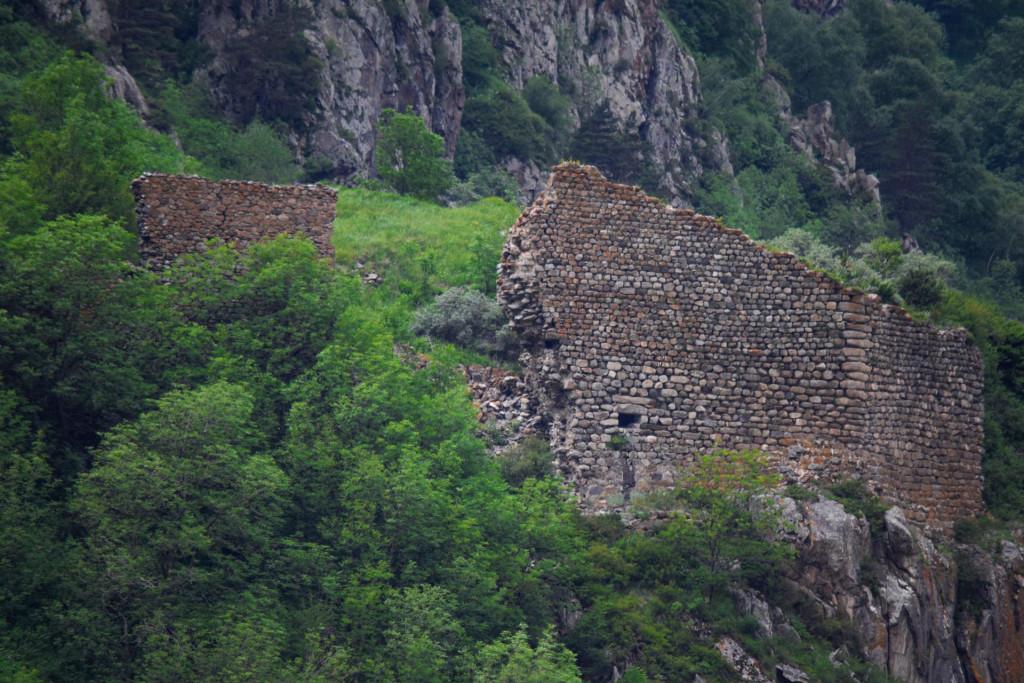
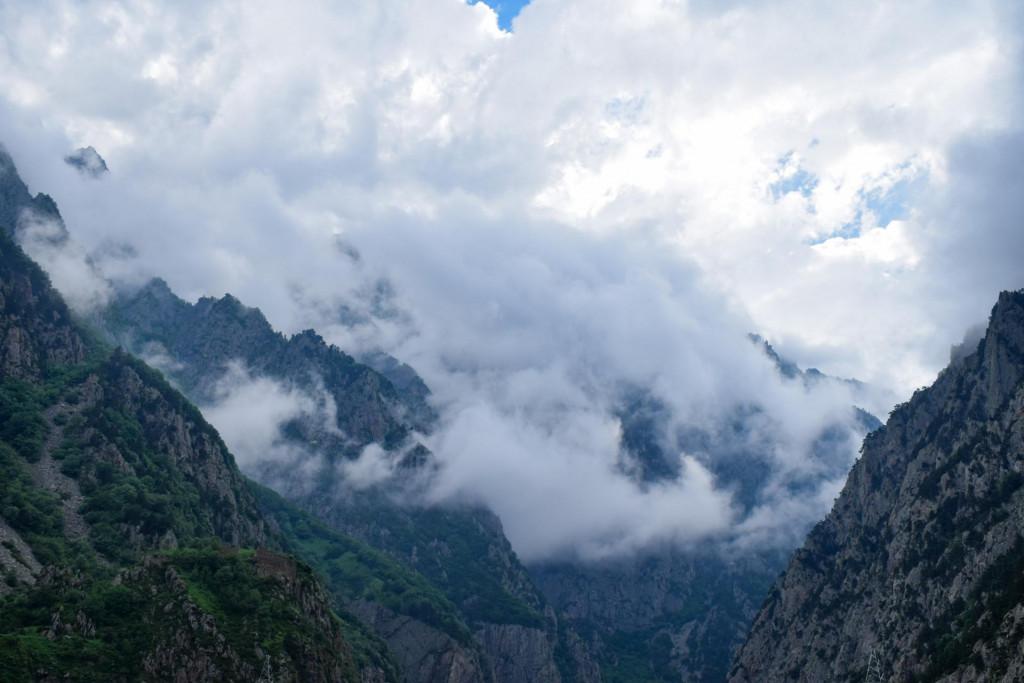
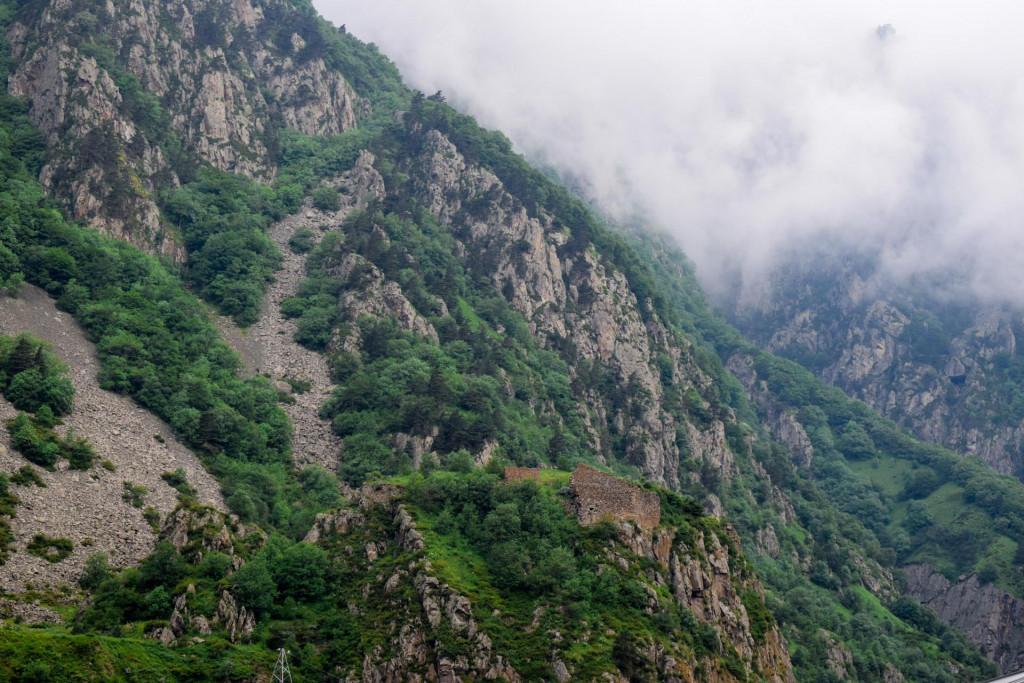
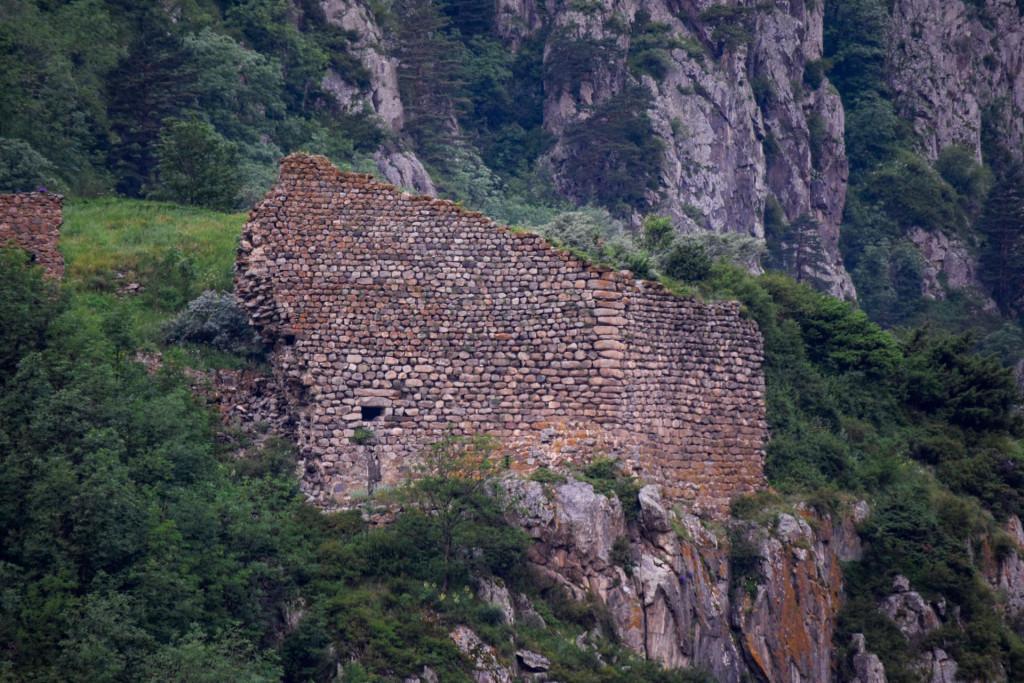
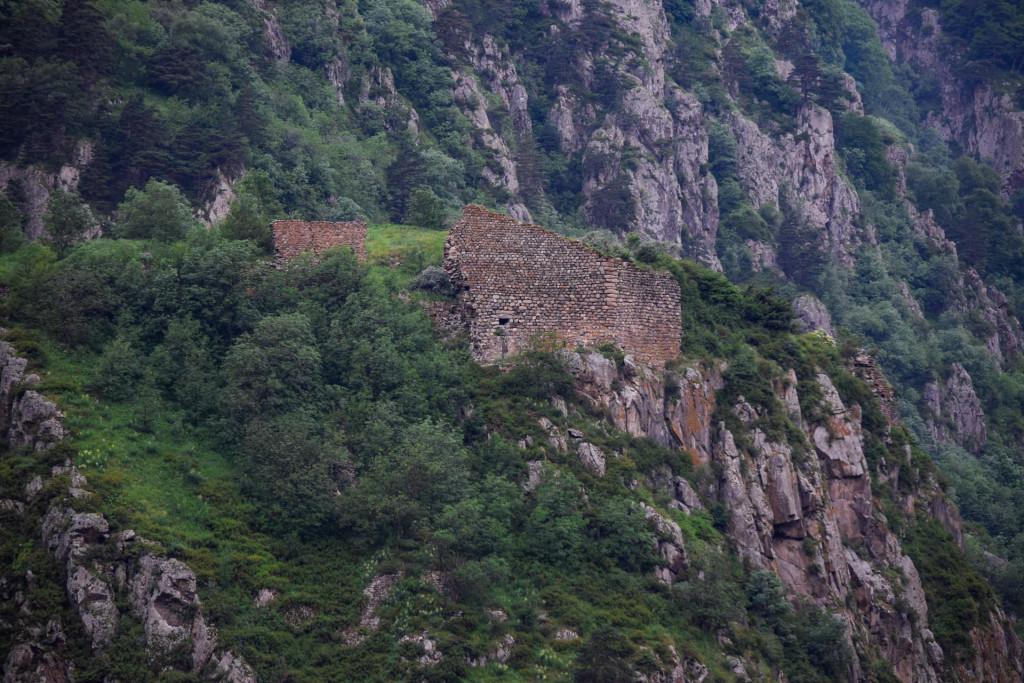
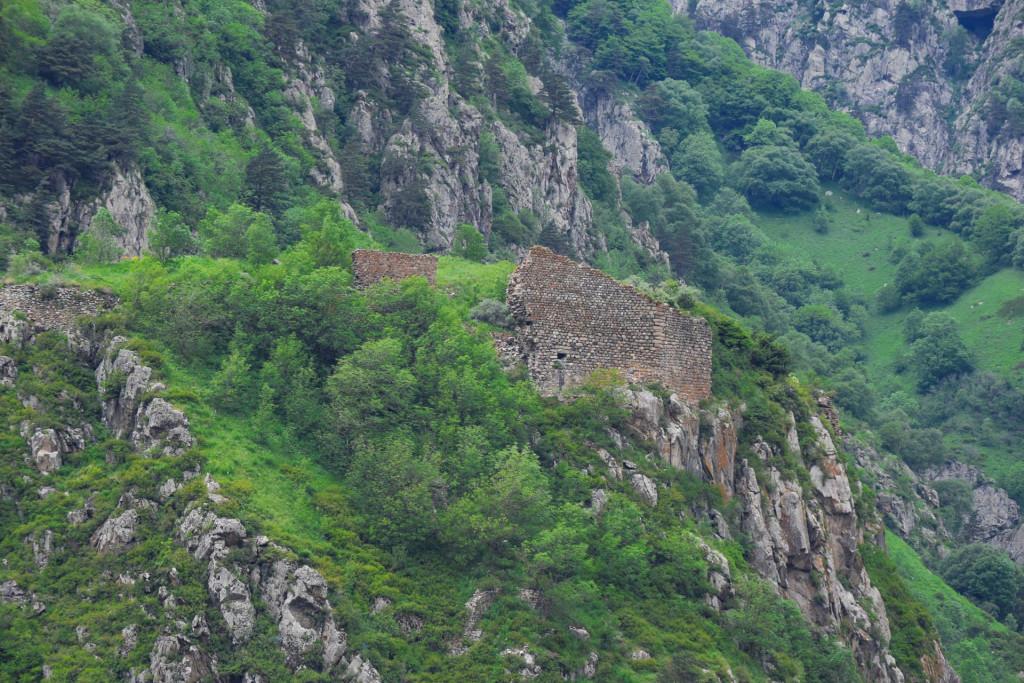
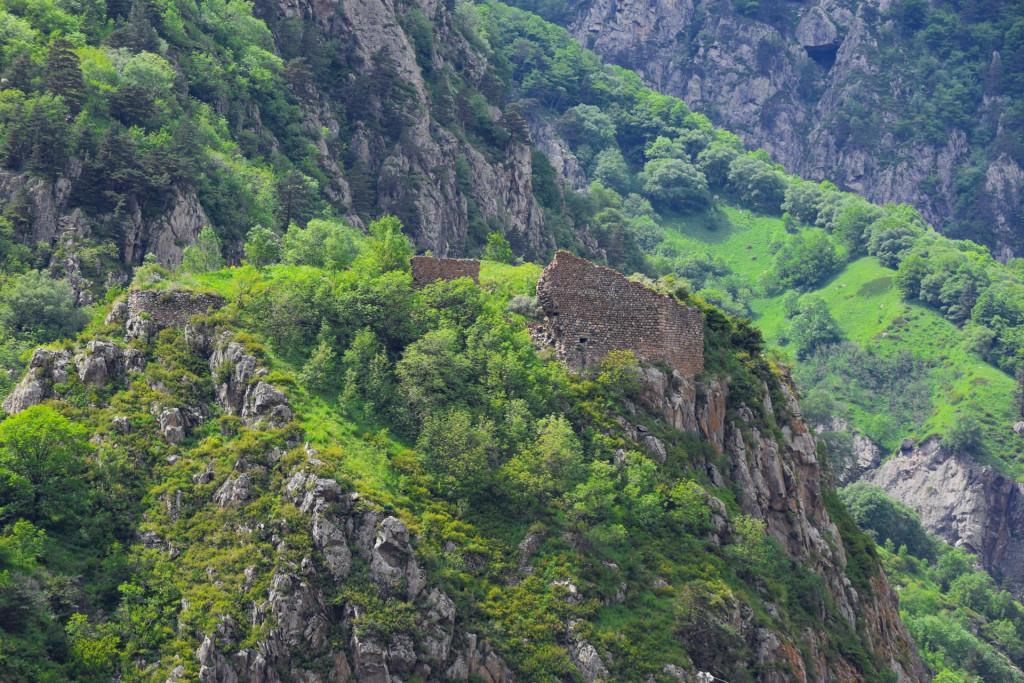
Dariali Fortress is a fortress in Kazbegi Municipality, located in the Tergi Gorge, on a high rocky mountain on the left bank of the river, 15 km north of the town of Stepantsminda.
Dariali Fortress is the last strategic point on the Georgian border with the Caucasus. Georgian historical tradition attributes the first construction of a fortress here to Vakhtang Gorgasali (5th century), but the current fortress was built much earlier. Dariali (Dari-Alan) means “Gate of the Alans” in Persian. Georgians call it “Gate of the Aragvi” or “Gate of the Ovs”. Due to its strength, this narrow gorge of Dariali, along with Darubandi on the Caspian Sea, was truly considered the gate to Transcaucasia on the Caucasus Range.
The Arabs immediately after the conquest of Georgia closed the Dariali. This protected them from attacks by the northerners. When they themselves needed it, they opened this gate. This is what Bugha the Turk did when he invaded Transcaucasia in the middle of the 9th century and ravaged it, intending to create loyal new settlements here. For this purpose, he opened the Darubandi gate, brought three hundred Khazars there and settled them in Shamkor, and brought one hundred Ossetians there through the Dariali gate and settled them in Dmanisi.
At the beginning of the 12th century, Dariali Gate was in the hands of the Ovsi, when David the Builder wanted to bring the Kivchaks to strengthen his army, he went to the North Caucasus, defeated the Ovsi and Kivchaks, and took hostages from both as a sign of submission. In addition, he took the Dariali fortress from the Ovsi and stationed his army there.
At the end of the 13th century, when King David VI had a very aggravated relationship with the Great Khan of the Mongols of Iran, he resorted to an old trick: he wanted to confront him with the Golden Horde that dominated in the north and for this purpose he planned to open the Dariali Gate. This would have put the Ilkhan of Iran in a great ordeal. By such an action, King David undoubtedly strengthened his positions. However, he could not maintain it to the end. In the following period, namely, at the beginning of the 15th century, the Dariali Gate was again reliably held by Alexander I. At the end of the 18th century, George XII, at one point when he decided to break off relations with Russia, considered the first and main measure to permanently close the Dariali Gate. But the king's intention soon changed, and later this road was the main link between these two countries.
The fortress is inaccessible from the north and east. It is fortified with steep rocks, and from the west the mountain gorge is blocked by powerful walls. The fortress occupied an area of up to 1 ha. In the Dariali fortress we find many chronologically different construction layers. The main layer is from the antique and earlier feudal era. Remains of the late feudal era have also been preserved, which indicates that the fortress did not lose its importance for a long time and was still in operation in the late Middle Ages. The entrance to the fortress must have been from the south, and there was a secret tunnel leading to the river on the same side. Later, an aqueduct was laid from the west to supply the fortress with drinking water. In addition to the fence and towers, many remains of buildings for various purposes have survived. At the beginning of the 19th century, the Russians built one of the most important fortresses on the main road to Transcaucasia, right on the site of the old fortress.
The fortress is visible from the Dariali Fathers' Monastery and the customs territory. The access road was damaged after the fall of Devdokar, and currently the fortress can be reached from the so-called neutral zone.

Our guides are ready to help you on this trip


Help other travelers use your experience.
Review this destination, share your thoughts, impressions, pros and cons.
Let's make traveling easier than ever.


 LOGIN WITH GOOGLE
Please login to ask a question
Ask a Question