
 GEO
GEO  ENG
ENG  RUS
RUS 



Help other travelers use your experience.
Review this destination, share your thoughts, impressions, pros and cons.
Let's make traveling easier than ever.

დაამატეთ თქვენი რესტორანი Georgian Travel Guide-ზე — მიიღეთ ონლაინ ჯავშნები წინასწარი გადახდით და გახდით ხილული ყოველთვიურად 100 000-ზე მეტი მოგზაურისთვის.

განათავსეთ საკუთარი კოტეჯი / სასტუმრო ჩვენს პლატფორმაზე და გააცანით თქვენი მომსახურება 100 000-ზე მეტ მოგზაურს.

დაამატეთ თქვენი ავტომობილი Georgian Travel Guide-ზე და გახდით ხილული ყოველთვიურად 100 000-ზე მეტი მოგზაურისთვის.

ხარ გიდი? დაამატე შენი პროფილი Georgian Travel Guide-ზე და დაუკავშირდი მოგზაურებს პირდაპირ — შუამავალი კომპანიებისა და საკომისიოს გარეშე.

იცნობთ ადგილს, რომელიც რუკაზე ჯერ არავის დაუტანია? დაამატეთ ის Georgian Travel Guide-ზე უფასოდ და გააცანით ათასობით მოგზაურს. გაიცანი და გააცანი #უცნობისაქართველო

განათავსეთ თქვენი ტურები და აქტივობები Georgian Travel Guide-ზე და გააცანით ისინი ყოველთვიურად 100 000-ზე მეტ მოგზაურს, რომლებიც სწორედ ახლა გეგმავენ მოგზაურობას საქართველოში.
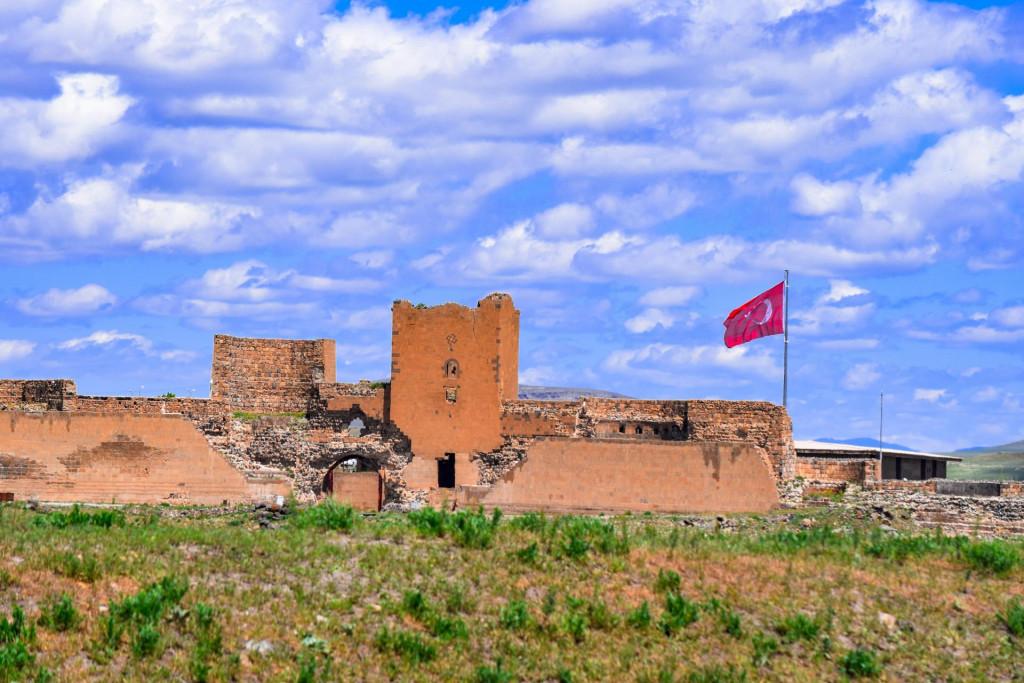
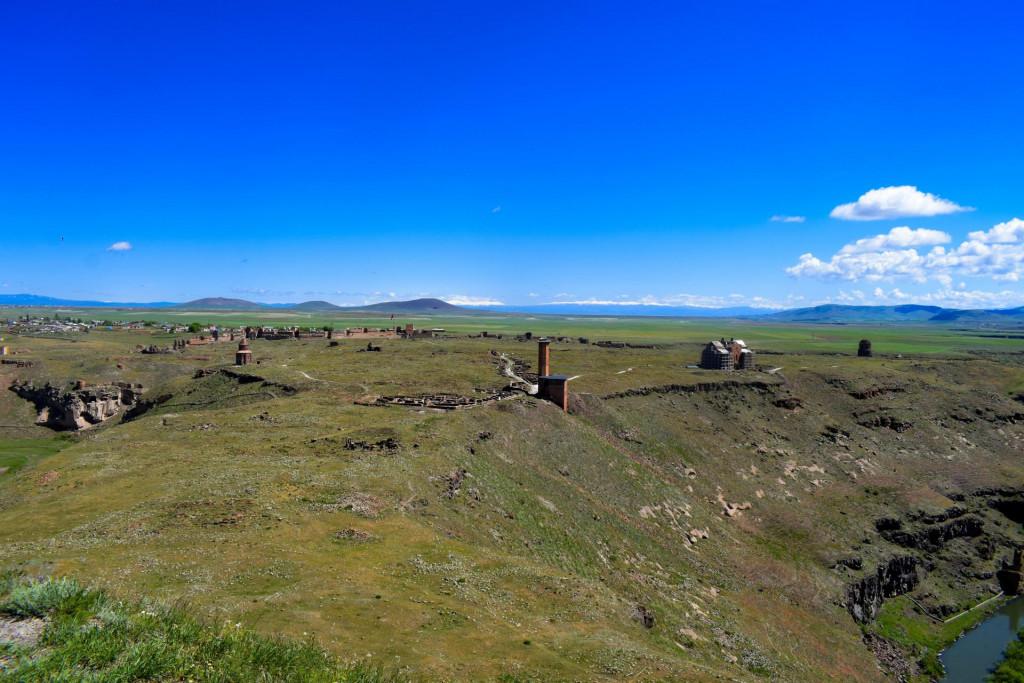
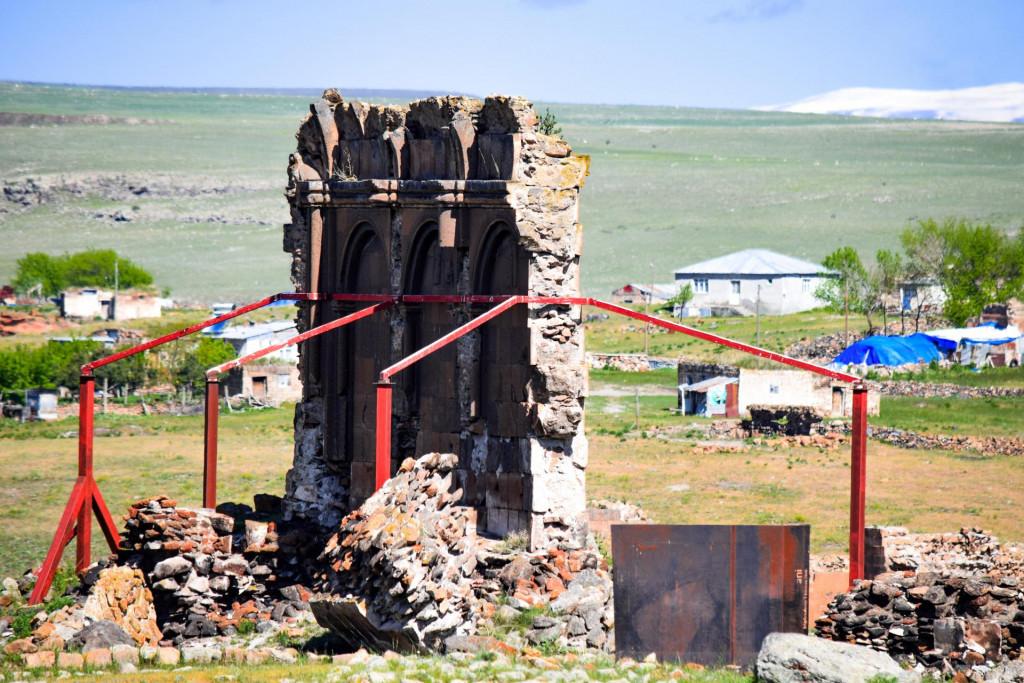
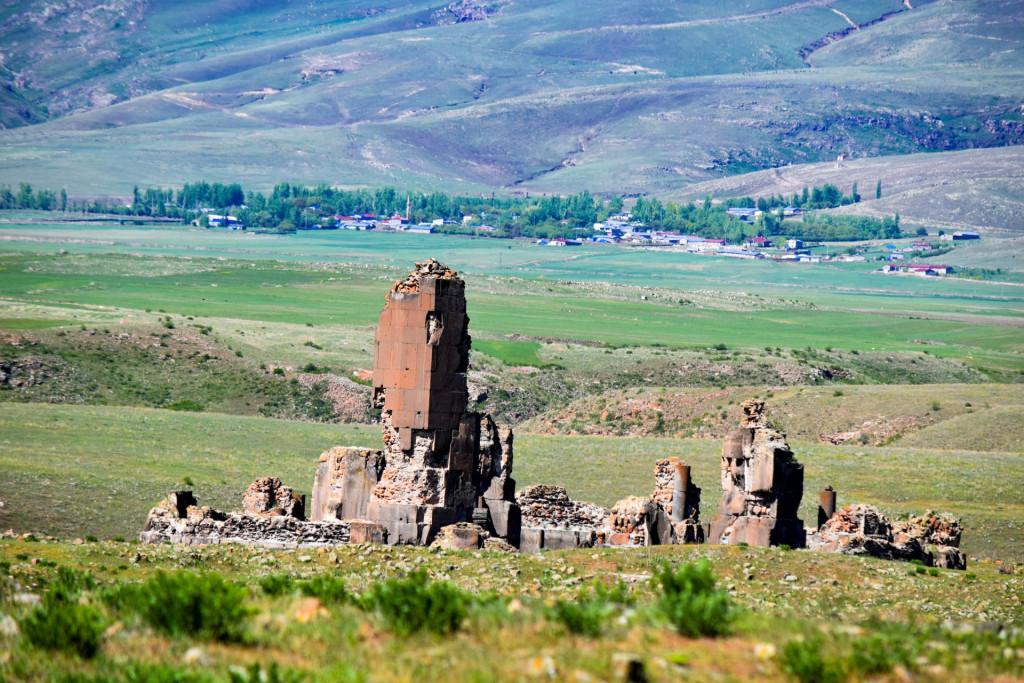
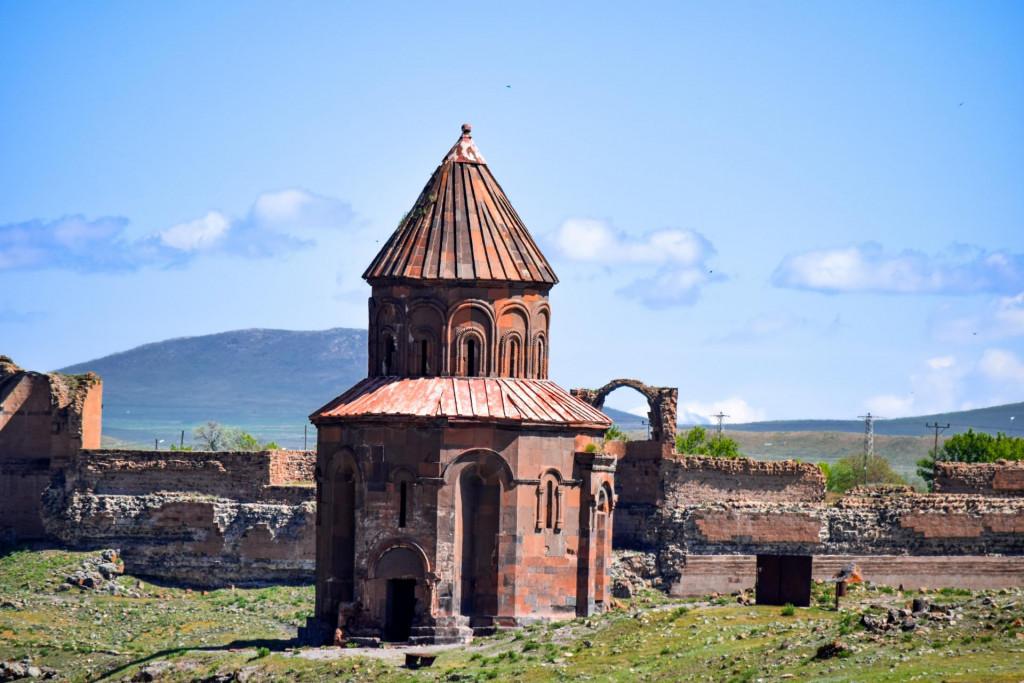
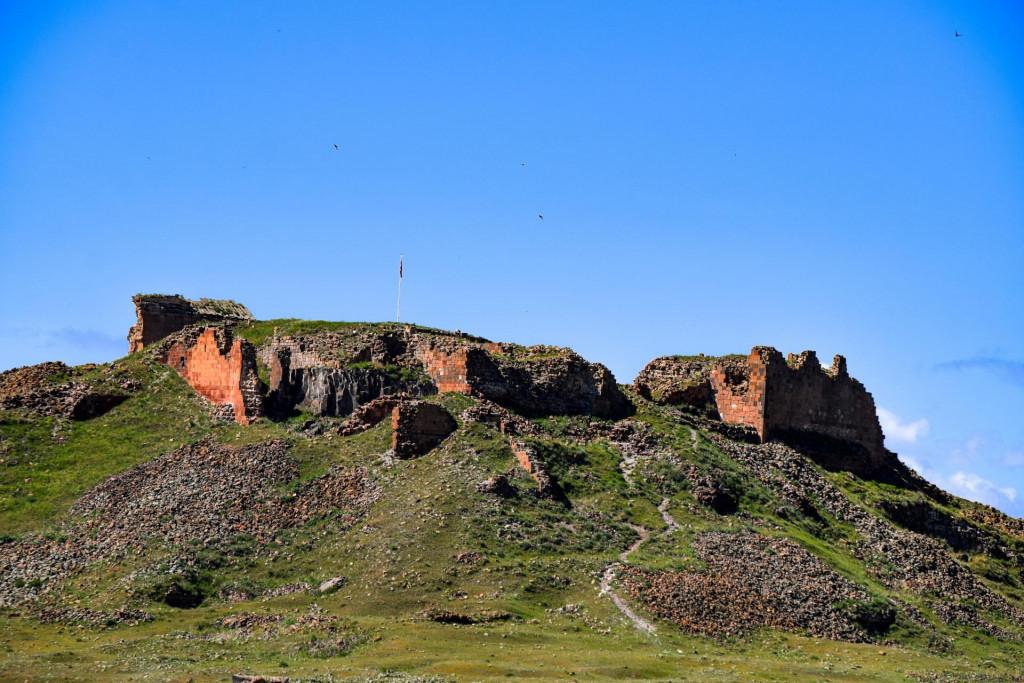
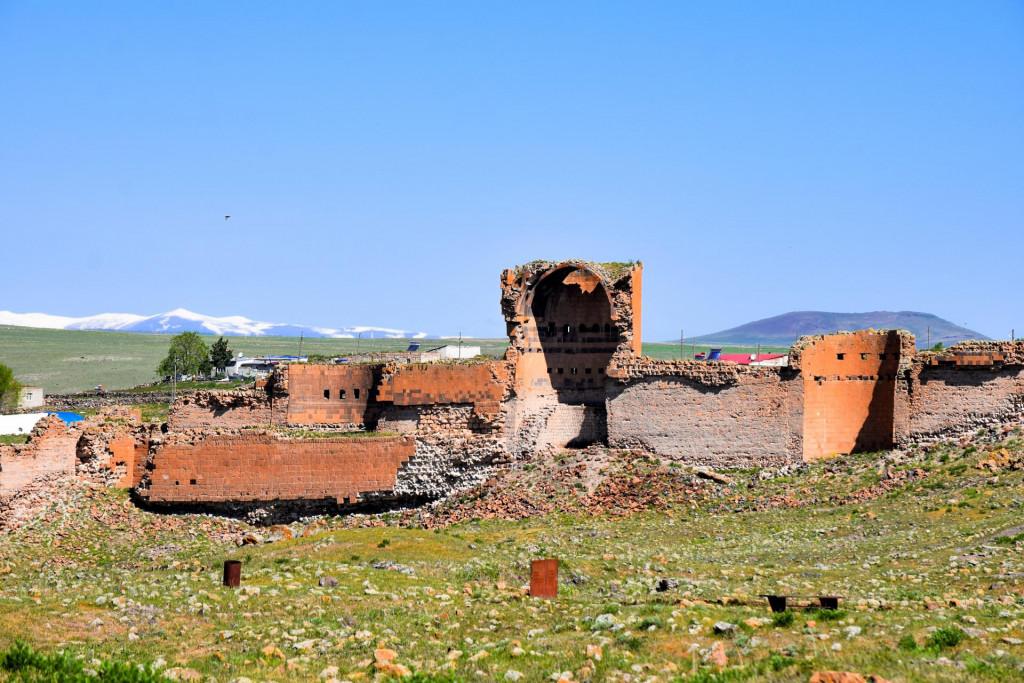
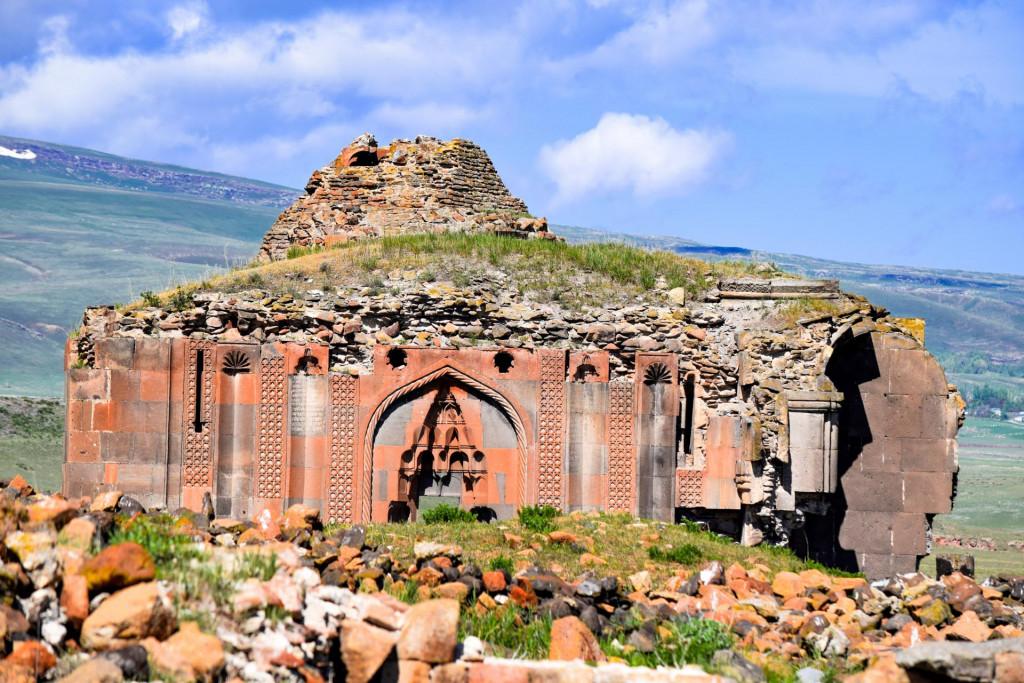
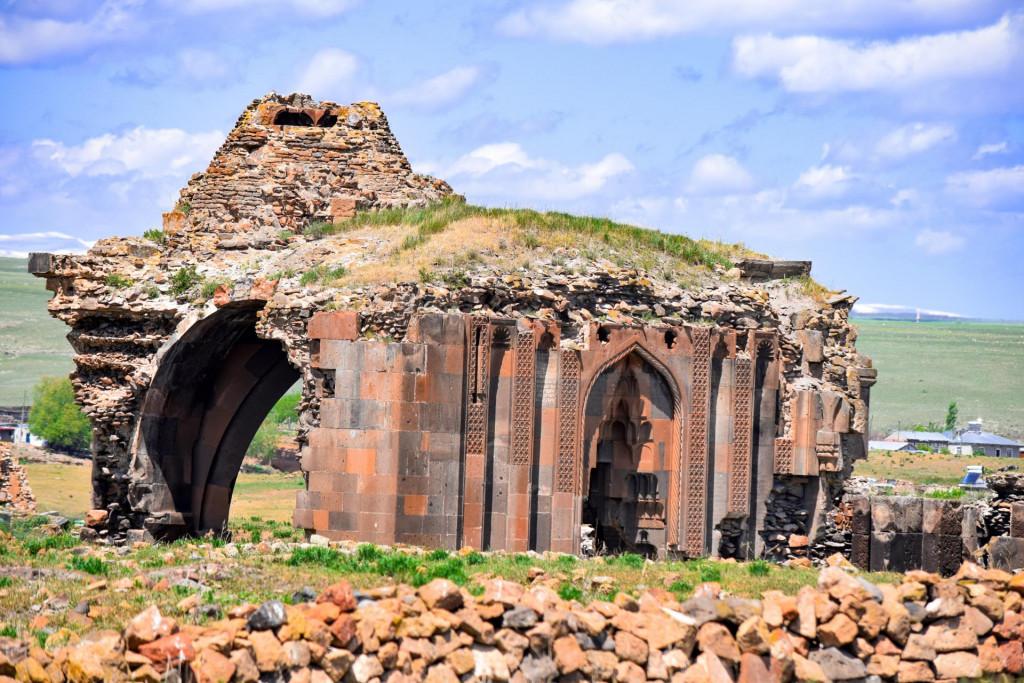
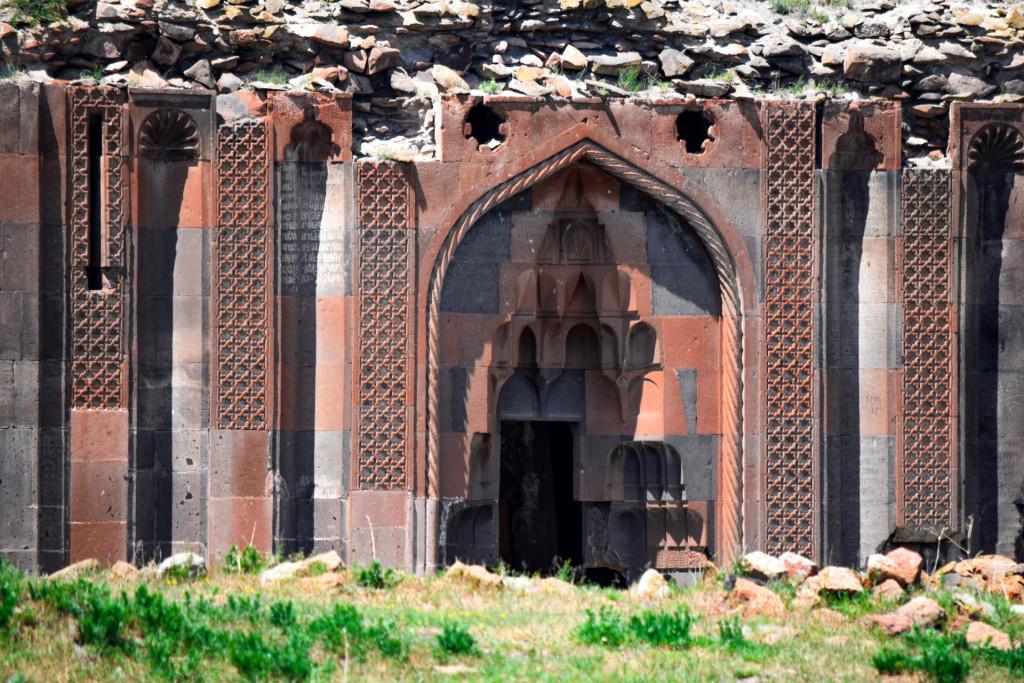
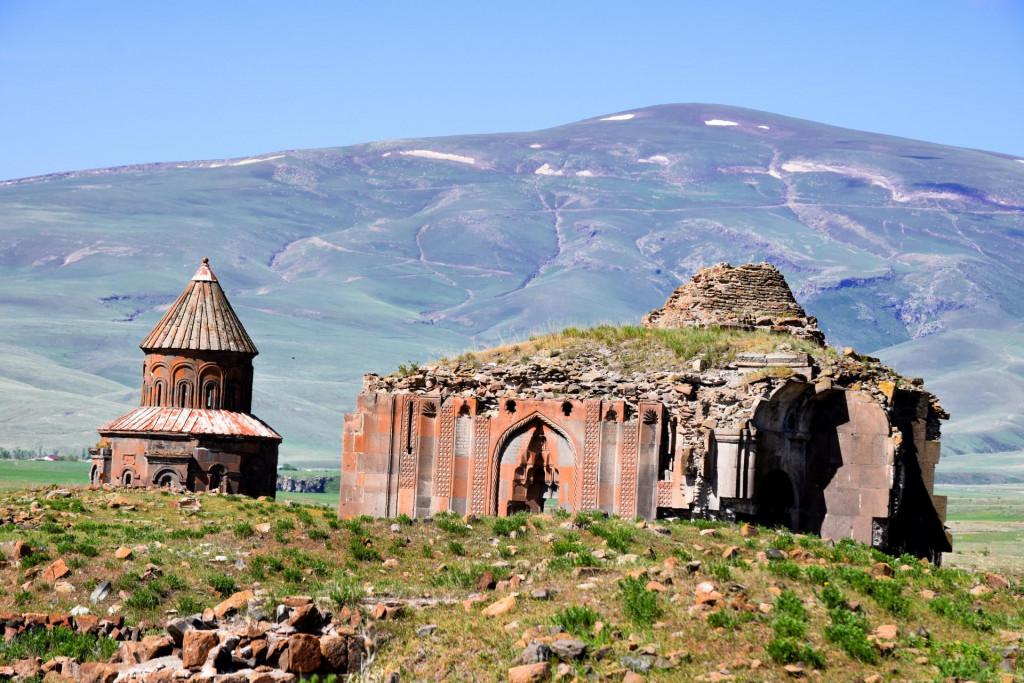
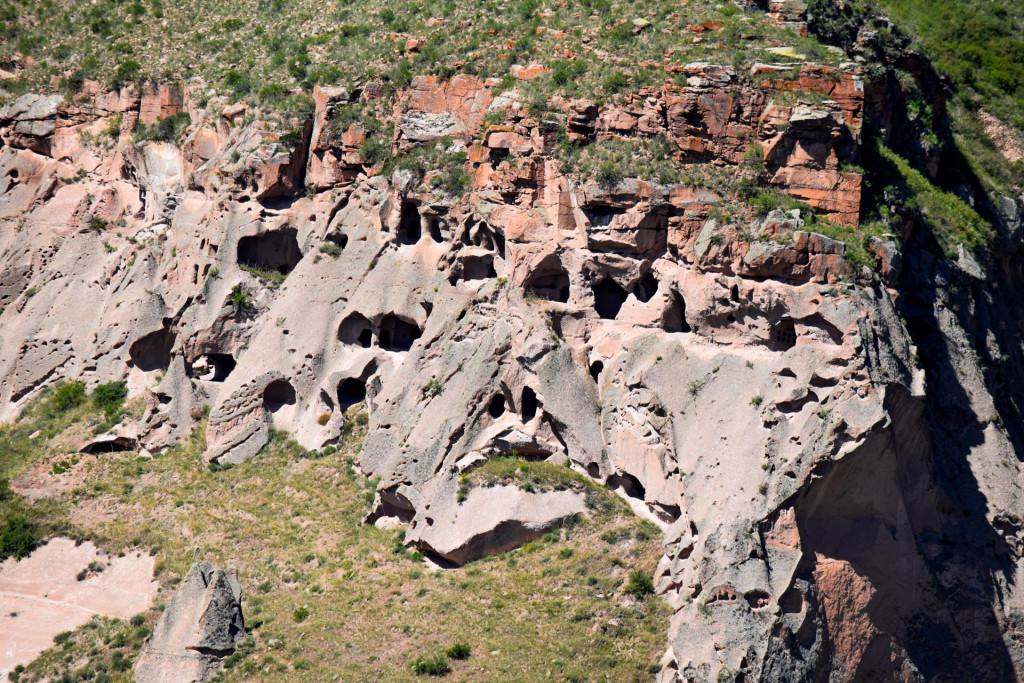
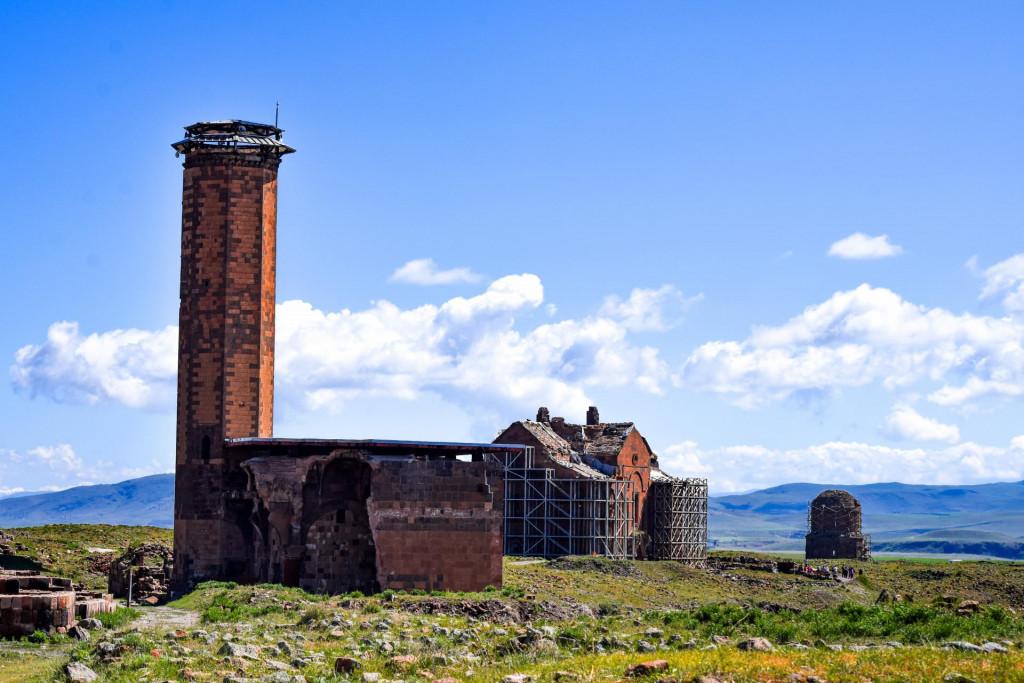
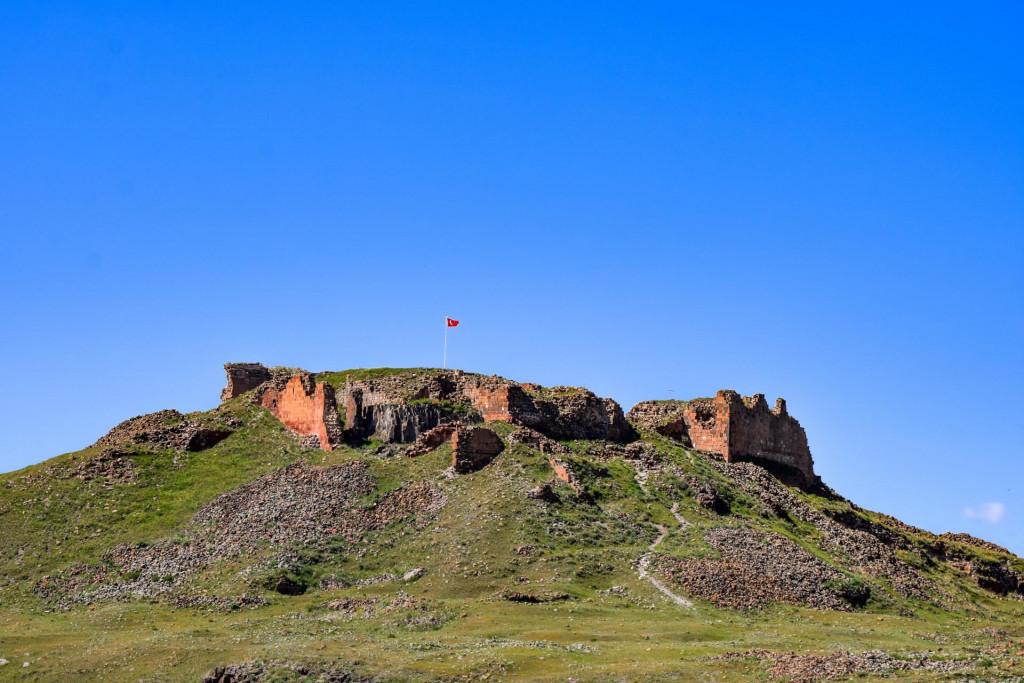
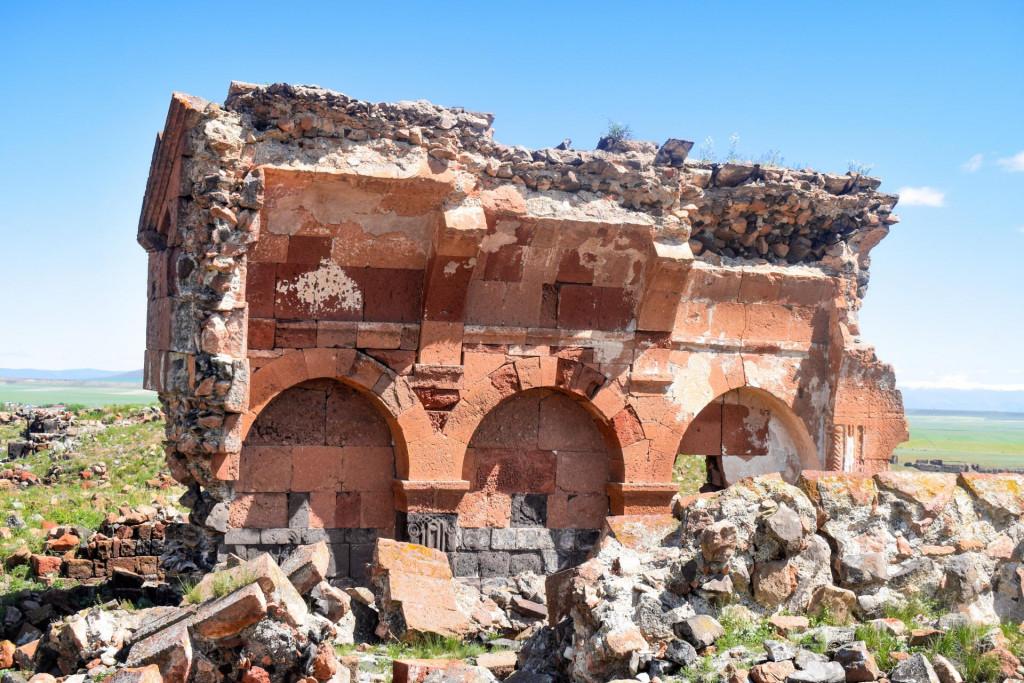
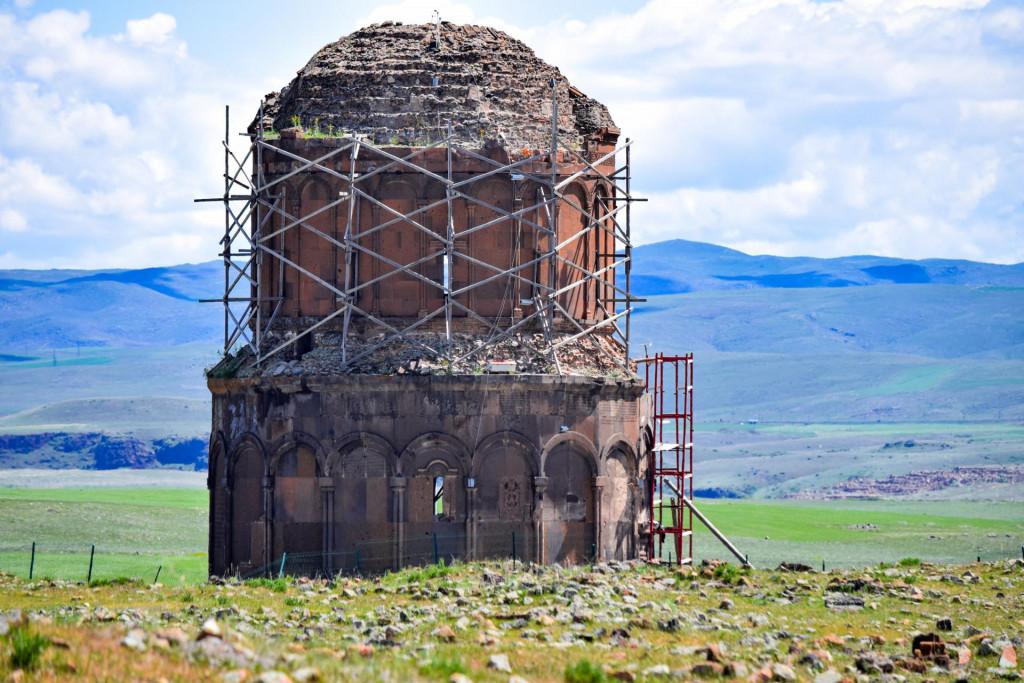
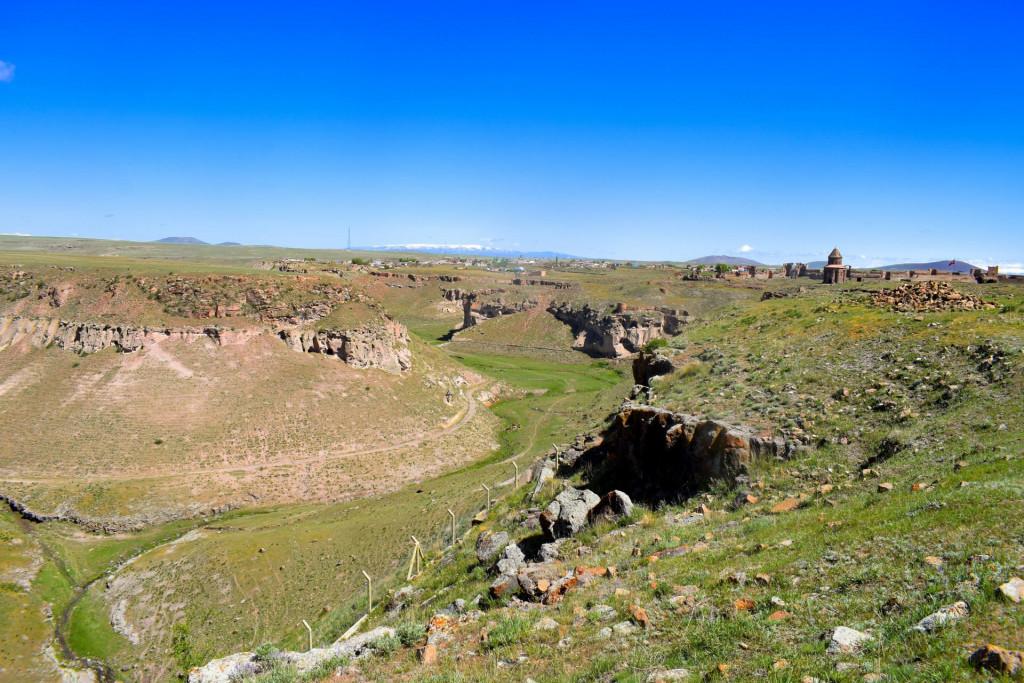
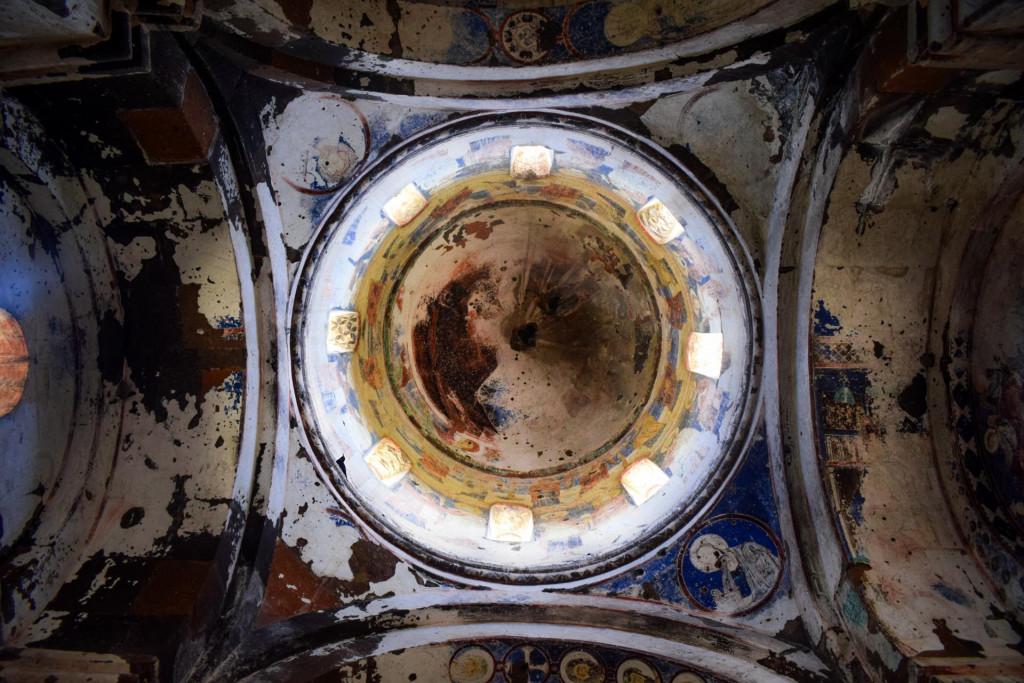
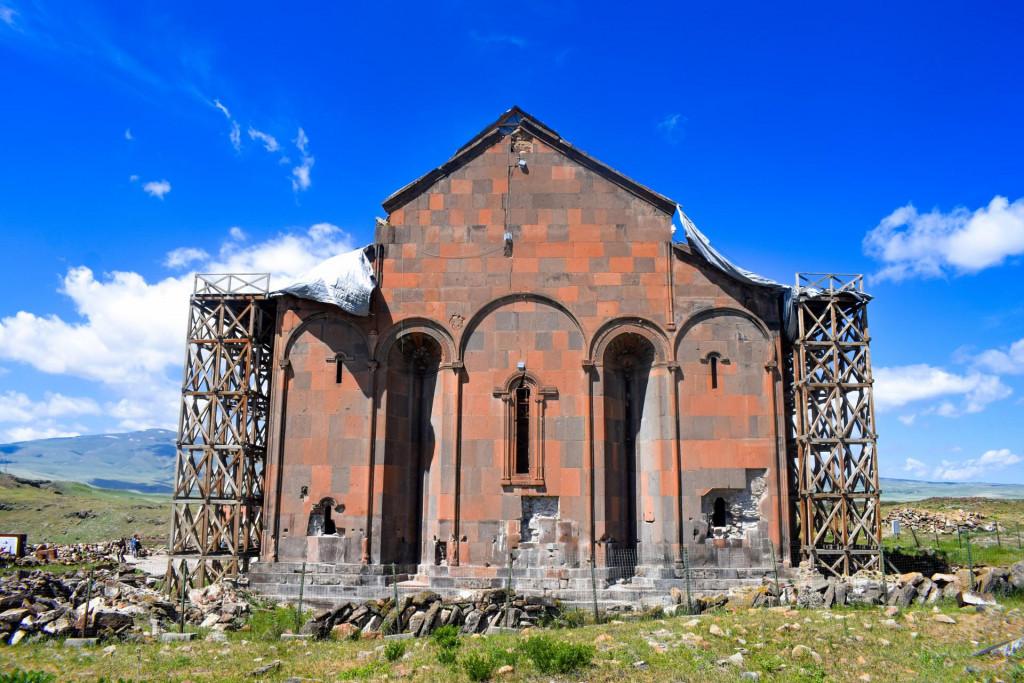
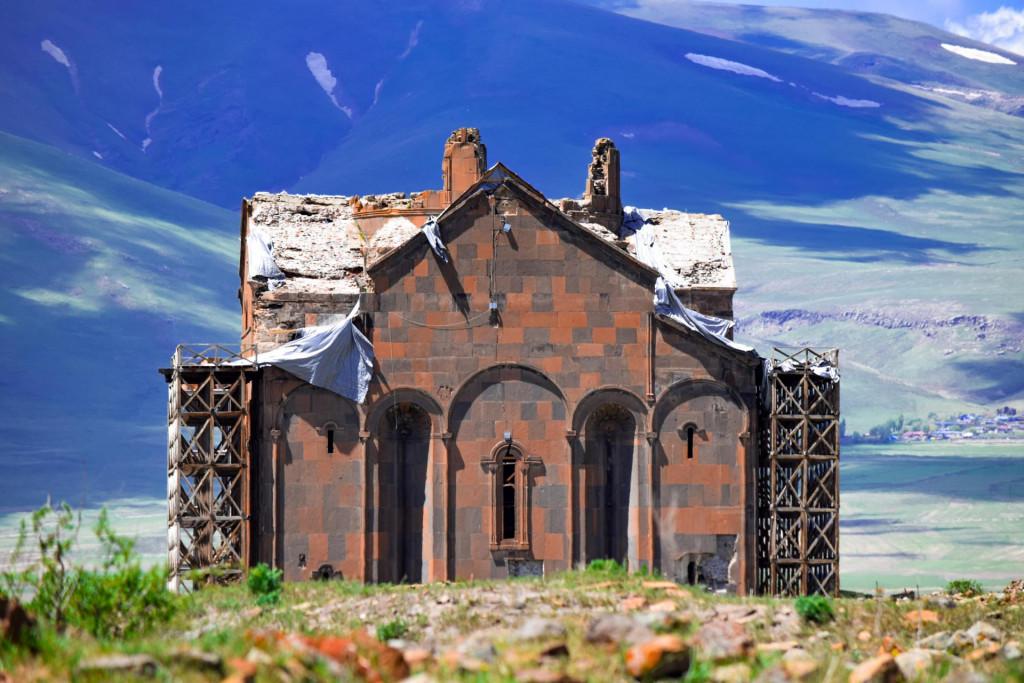
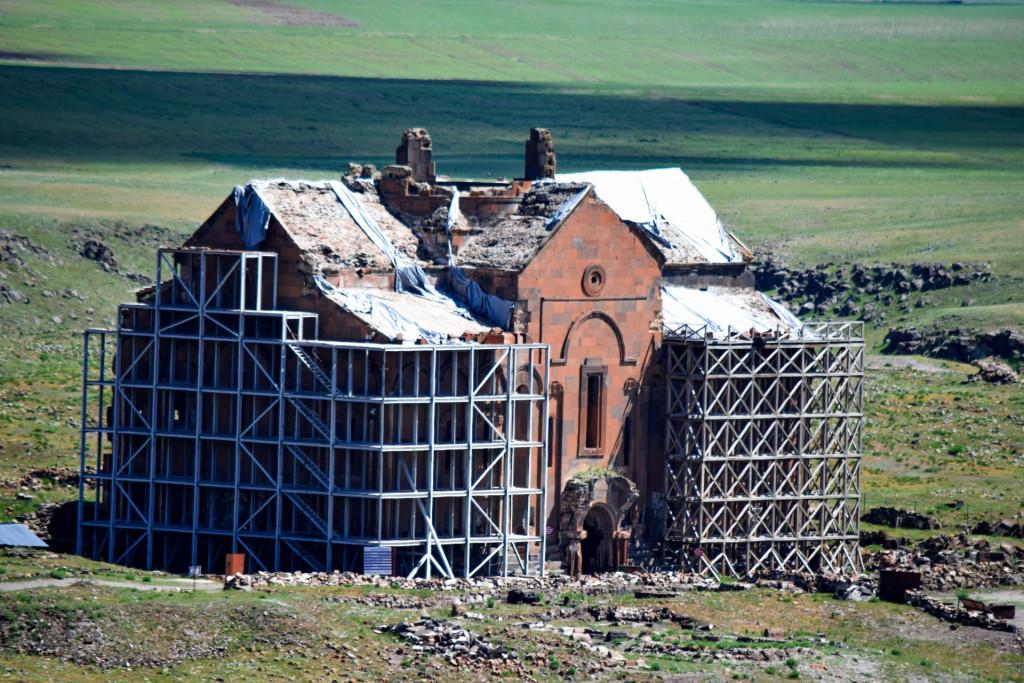
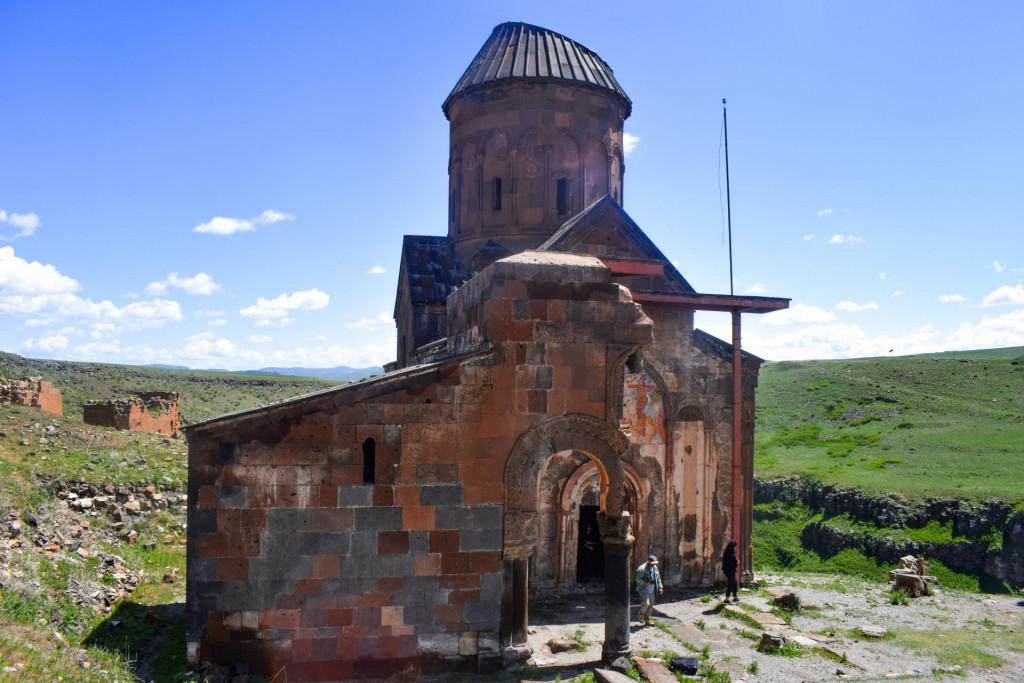
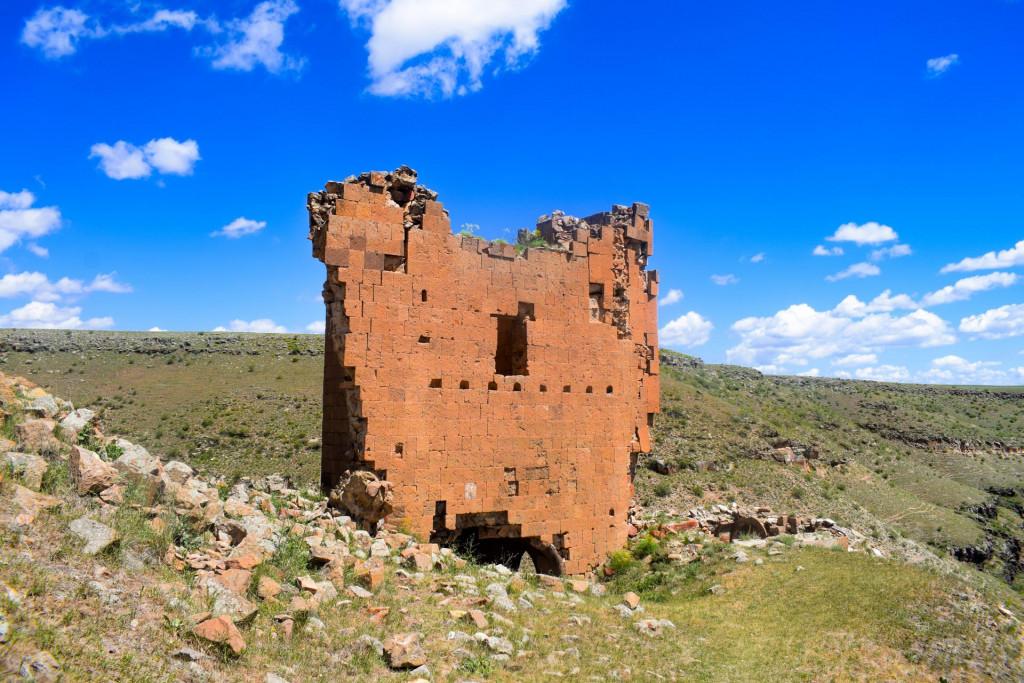
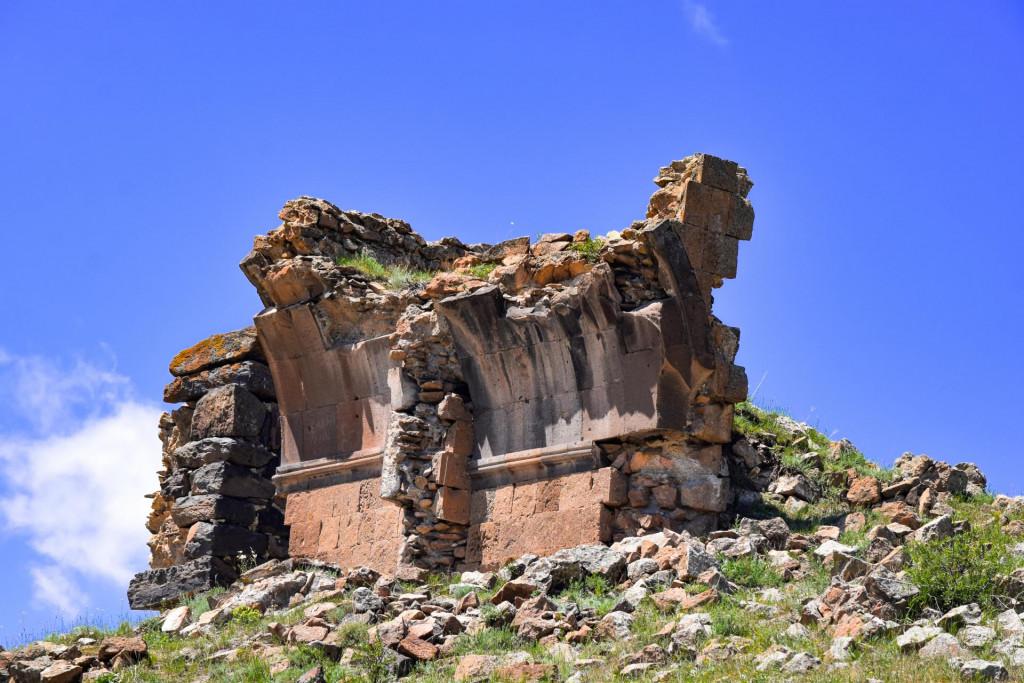
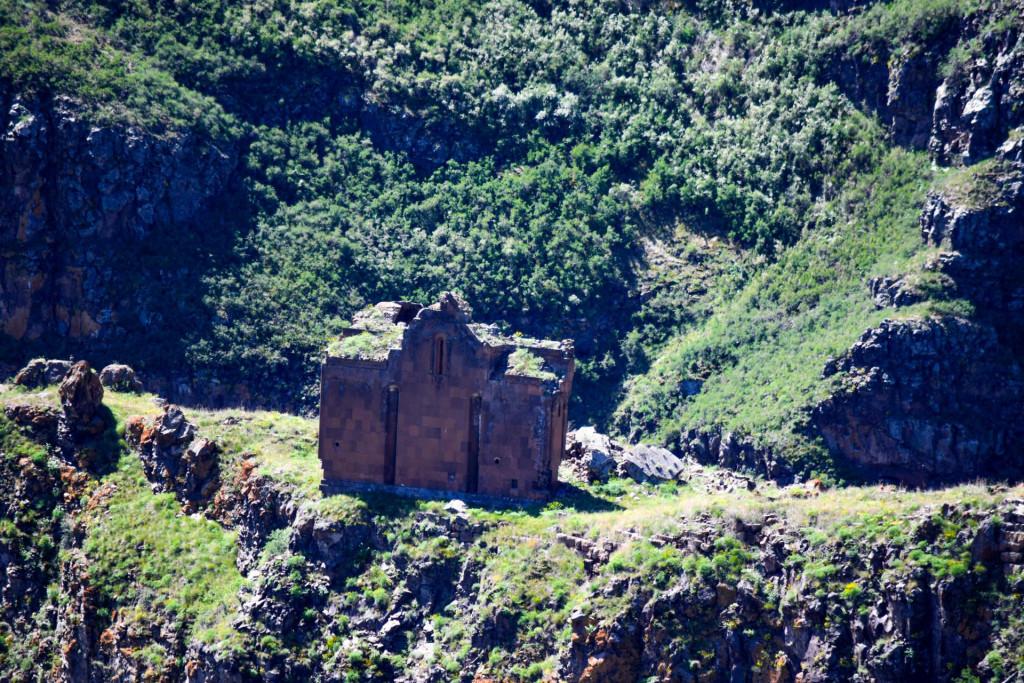
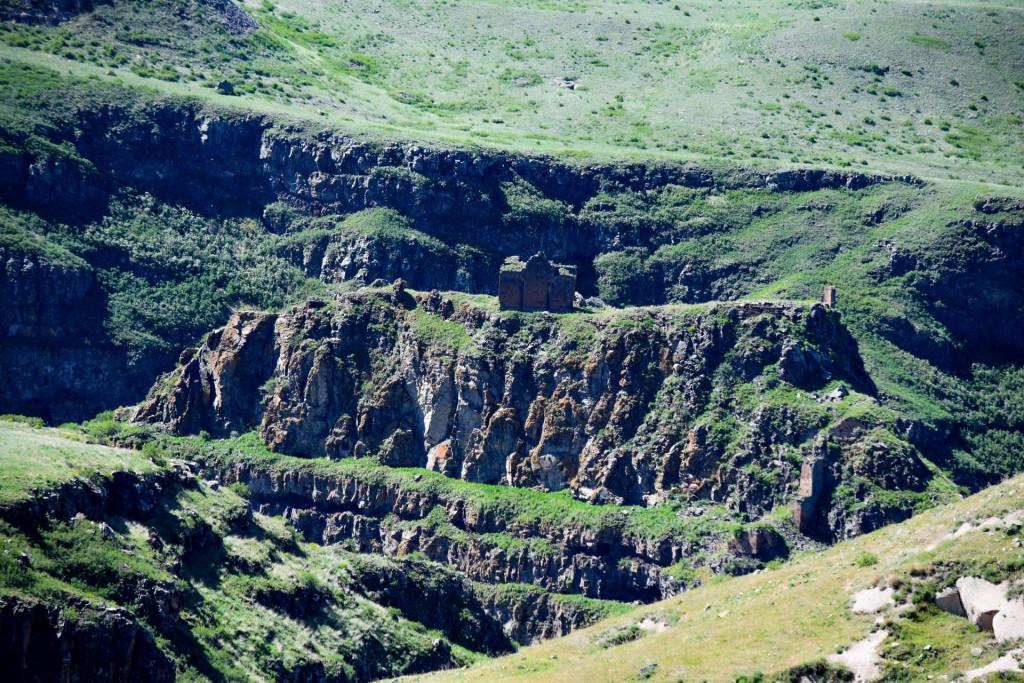
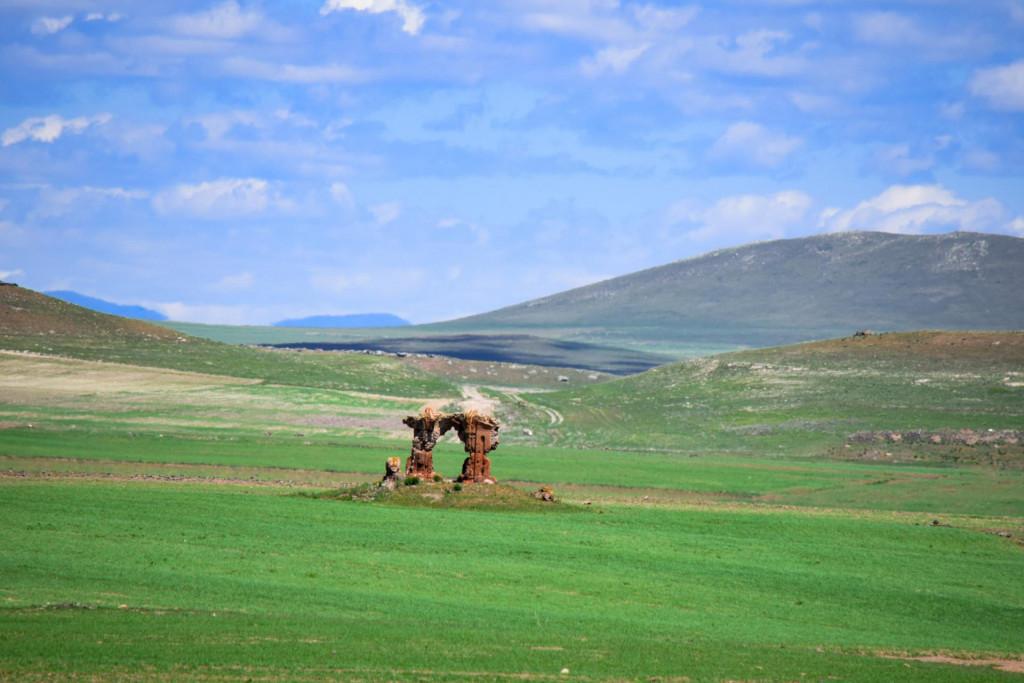
Anis (Armenian: Ալի, Turkish: Ani, Latin: Abnicum) is a medieval city located in the Kars province of Turkey, near the Armenian border.
From 961 to 1045, it was the capital of the Armenian Kingdom of Anis. This state included most of modern Armenia and some territory in eastern Turkey. The city was built on a triangular-shaped hill in the valley of the Akhurian River, which provided it with natural protection. Anis is called the city of 1001 churches[3], and several trade routes passed through it. The buildings, palaces and fortresses of Anis were distinguished by their artistic and technical values.[4][5]
At its peak, the city had a population of over 100,000 and rivaled Constantinople, Baghdad, and Damascus. The city of Anis was destroyed by an earthquake in 1319.
At the beginning of the 9th century, the territory of the Kamsarkhans in Arsharunik and Shirak, which included Anis, passed into the possession of the Bagratuni dynasty. Their suzerain Ashot IV (806-827) received the title of Ishkhanat-Ishkhan (Eristavteristavi) of Armenia from the Caliphate in 804. The first capital of the Bagratunis was Bagaran, located 40 km south of Anis, the next capital was Shirakavan (located 25 km south of Anis). In 929, the capital became Kars. In 961, Ashot III moved the capital to Anis. The city was especially strengthened during the reign of Smbat II (977-989). In 992, the Catholicosate was moved here from Dvina. In the 10th century, the city had a population of 50 to 100 thousand people.
Anis reached its peak during the reign of Gagik I (989–1020). After his death, a struggle for the throne began between his two heirs, the winner being the elder Hovhannes-Smbat (1020–1041), under whose rule the city of Anis passed. Fearing an attack from the Byzantine Empire, Hovhannes-Smbat declared the Byzantine Emperor Basil II his successor. In January 1022, Catholicos Petros I traveled to Byzantium, who delivered a letter to Basil II, according to which Hovhannes-Smbat asked the emperor to take the throne of Anis after his death. Hovhannes-Smbat died in 1041, and Basil II's successor, Michael IV, established his rule over Anis. The new king of Anisi, Gagik II (1041–1045), opposed the Byzantines, who attempted to capture the city, but failed. In 1045, at the instigation of pro-Byzantine citizens, Anisi surrendered to the Byzantines and was ruled by a Greek governor.
In 1064, Anisi was attacked by the Seljuk Sultan Alf-Arslan and captured the city after a 25-day siege. In 1072, the Seljuks sold Anisi to the Shedadian dynasty of Kurdish origin. The Shedadian dynasty initially pursued a peaceful policy towards Anisi, but after showing intolerance towards the locals, they turned to the Georgian king David the Builder for help, who took the city in 1124 and liberated it from the Shedadian dynasty. The Georgians liberated Anisi again in 1161 and 1174, although the Shedadian dynasty would return to it. In 1199, the army of the Georgian king Tamar took Anisi, expelled the Shedadian dynasty, and appointed Zakaria and Ivan Mkhargdelzebi as its rulers.
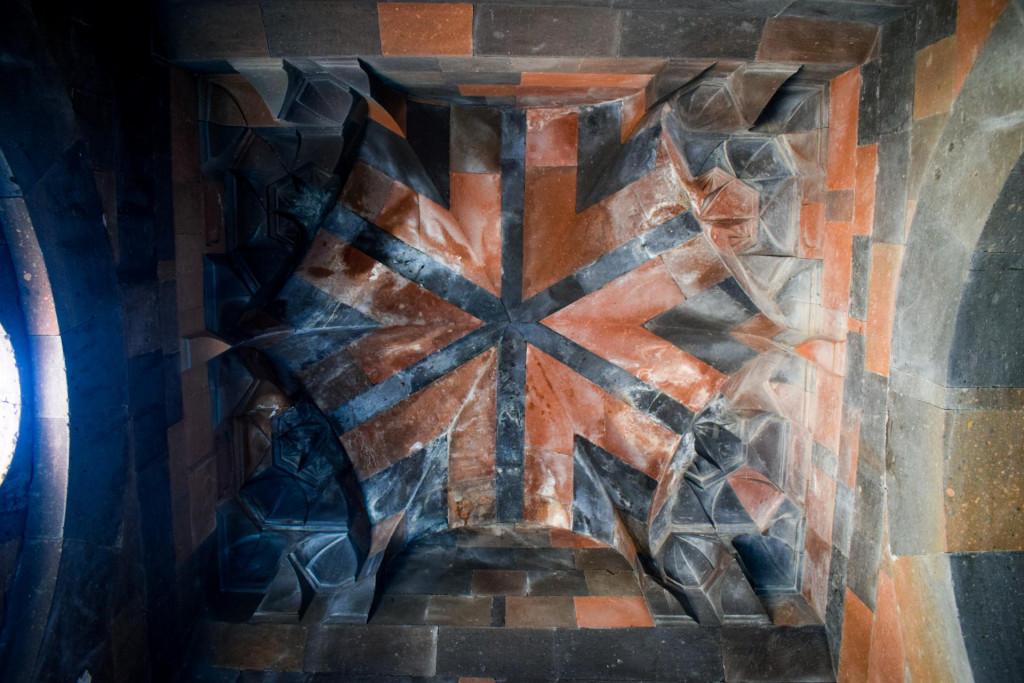
All buildings in Anis are constructed using local volcanic basalt stone. It is easily cut and is distinguished by its variety of bright colors. The most important monuments that have survived to this day in Anis are as follows.
Anisi Cathedral
It is also known as the Church of the Mother of God of Anis. It was built in 989-1001 according to the design of the architect of the Bagratuni court, Trdat, and for almost half a century was the residence of the Catholicos, the head of the Armenian Apostolic Church. Currently, the temple is partially destroyed.
The temple, built in the eastern part of Anis, was one of the city's most important landmarks. Its construction began in 989 during the reign of Smbat II and was completed in 1001 by Gagik I's wife, Katranides II.
In 1064, after the Seljuk conquest of Anis, the church was converted into a mosque. Later it was returned to the Armenian Church. It was finally damaged by the earthquake of 1319, when its conical dome collapsed. After that, Anis was gradually abandoned and the church ceased to function. The northwestern corner of the church was severely damaged by the 1988 Spitak earthquake.
St. Stephen's Church
The church was a hall-type church, built of well-lit stone squares. The interior is divided into 3 parts by shafts and an arch. At this time, the church is completely destroyed, only the northern wall remains. The church was excavated and later published by Niko Mar. In 1912, he discovered an extensive inscription in the ruins of the southern wall, which is now lost. The 30-line inscription belonged to Epiphanius, Catholicos of Mtskheta. The inscription dates back to 1218, and therefore the period of construction of the church was considered to be the 13th century. However, this inscription does not contain any information about the construction and cannot be used as a dating. According to some historians, the church should have been built in the second half of the 11th century. On the north wall of the church, under the arches, there are two figurative compositions, carved in stone, the meeting of Elizabeth and Mary and the Annunciation, with explanatory inscriptions written in white paint in alphabetical order. There are also inscriptions in alphabetical order on the outer facade of the church.
Church of Gregory the Illuminator (Tigran Honentzi)
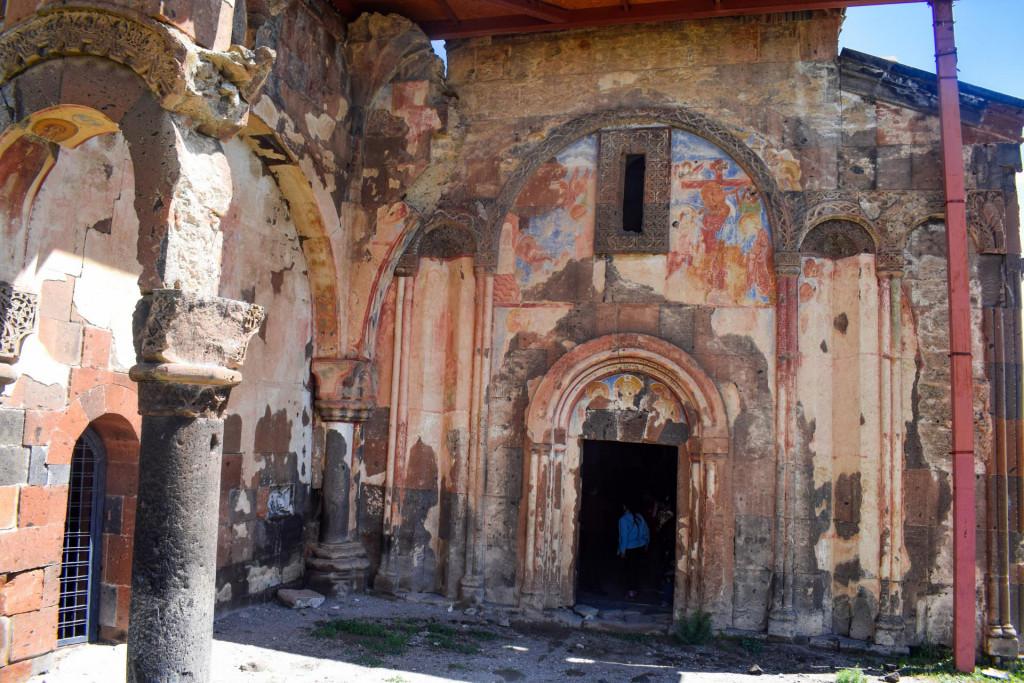
A Georgian church built by ethnic Armenian, Chalcedonian (Orthodox Armenian) Tigran Honentzi in the territory of Anisi. It was part of the Georgian diocese of Anisi. According to an inscription engraved on the eastern wall of the church, it was built in 1215 with the finances of a wealthy merchant, Tigran Honentzi.
The church was built in the name of Gregory the Illuminator and was named after the builder. The church is located in the southeastern part of the Anisi town and overlooks the Akhurian River gorge. The monument is located in the far east of Turkey, in the Kars province, 120 meters from the Armenian border.
The church is painted and has many inscriptions on it. The paintings were done by Georgian artists. There are also Georgian inscriptions. During the construction of the church, Anisi was under Georgian control, which explains the Georgian origin of the frescoes.
Church of the Savior
The church was completed after 1035. It had a unique structure: 19-sided on the outside, 8-apsed on the inside, with a huge central dome on a high drum. It was built by Prince Ablgharib Pahlavi to house the holy relics of the cross on which Jesus Christ was crucified. The church remained largely intact until 1955, when the entire eastern half collapsed during a storm.
St. Gregory's Church in Abugamrentsi
This small building probably dates back to the late 10th century. It was built as a court church of the Pahlavuni family. There was also their mausoleum on the north side of the church. The church has a centralized plan with a dome.
Gagiki Church
Also known as Gagikashen, it was built between 1001 and 1005 and was intended to create a small copy of the famous Zvartnots Cathedral in Vagharshapat. The foundation of the cathedral was discovered by Niko Mar in 1905-1906. Before that, there was a huge mound on the site of the church. The builder of the cathedral was the famous Armenian architect Trdat. As is known, the church collapsed very soon after its construction and houses were later built on its ruins. Trdat's plan exactly follows the plan of Zvartnots.
Church of the Holy Apostles
The date of its construction is unknown, but the earliest inscription on its walls is dated 1031. It was founded by members of the Pahlavun dynasty and was used as the residence of the Archbishops of Ani (most of whom belonged to that dynasty). It has a rectangular plan. Only fragments of the church survive, but the narthex built on the south side of the church with beautiful stonework is partially intact. The facade dates back to the 13th century. There were a number of buildings around the church, which were excavated by Niko Mar in 1909, but they are now destroyed.
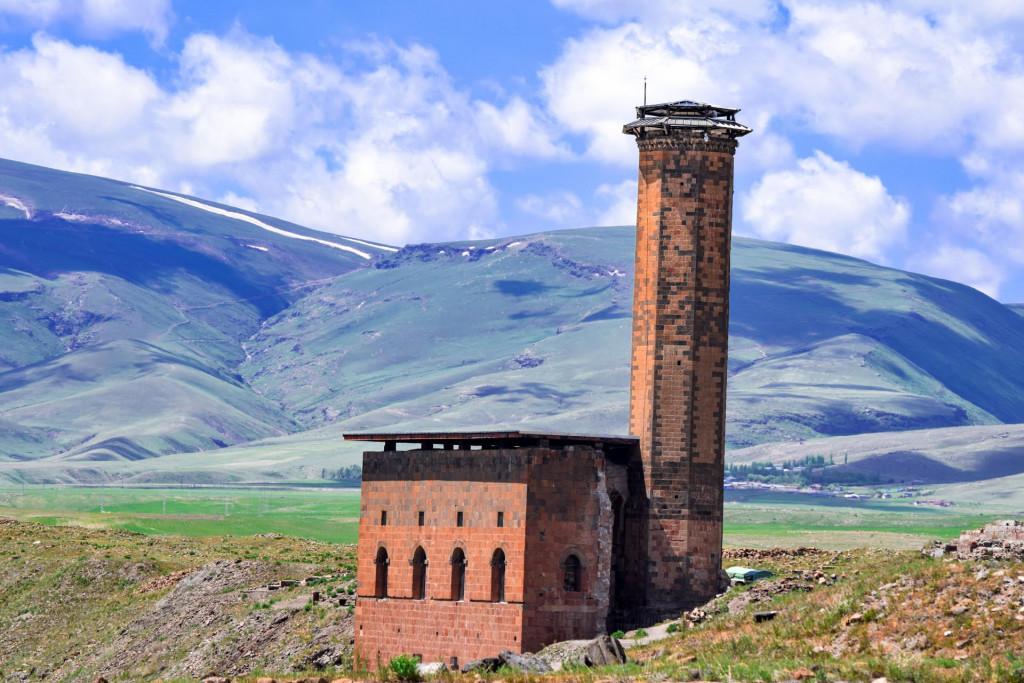
Manuchari Mosque
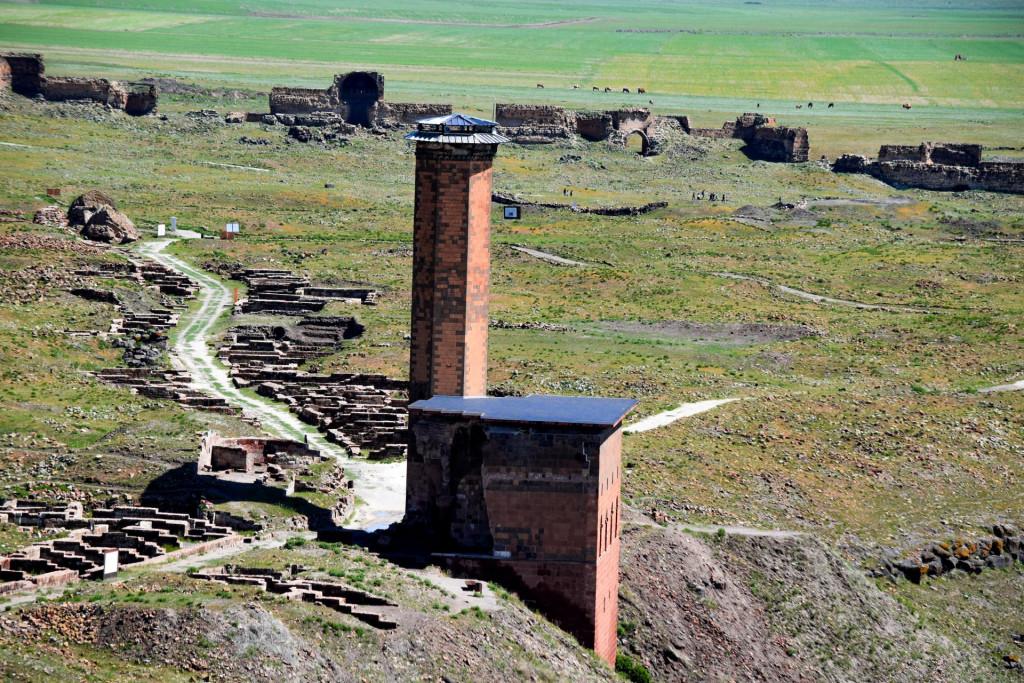
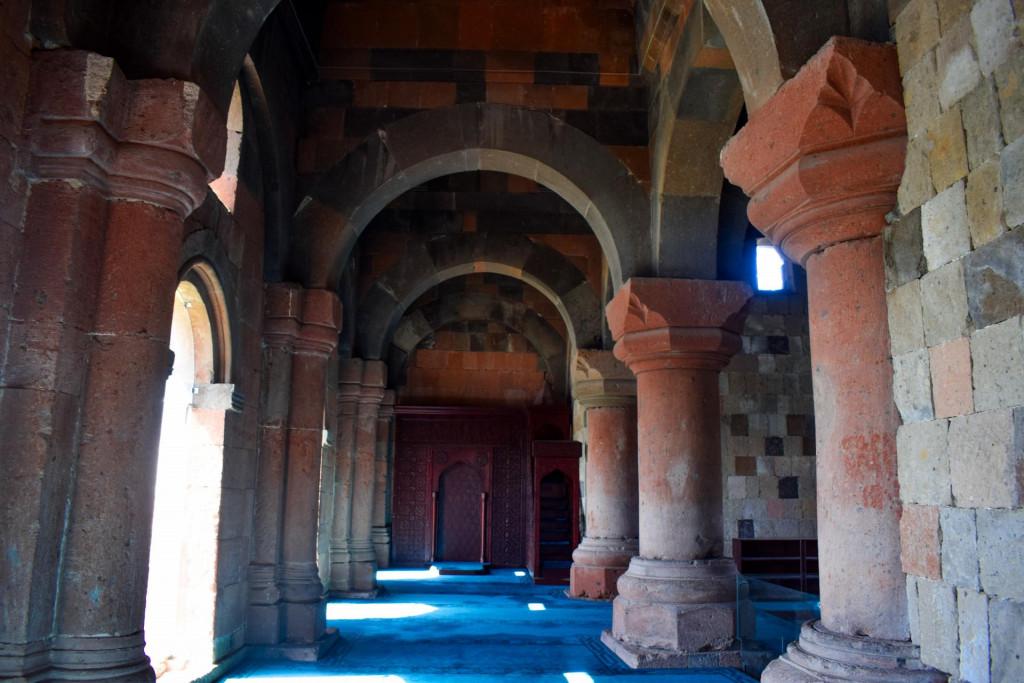
The Manuchar Mosque is named after its builder, Manuchar ibn Shabur, a representative of the Shedadid dynasty (who ruled Anis after 1072). The oldest surviving part of the mosque is its still intact minaret. The prayer hall, half of which has survived, dates back to the 12th-13th centuries. In 1906, the mosque was partially renovated to house a public museum, which housed objects found during the excavations of Niko Mari. Restoration of the mosque began in 2020
Citadel
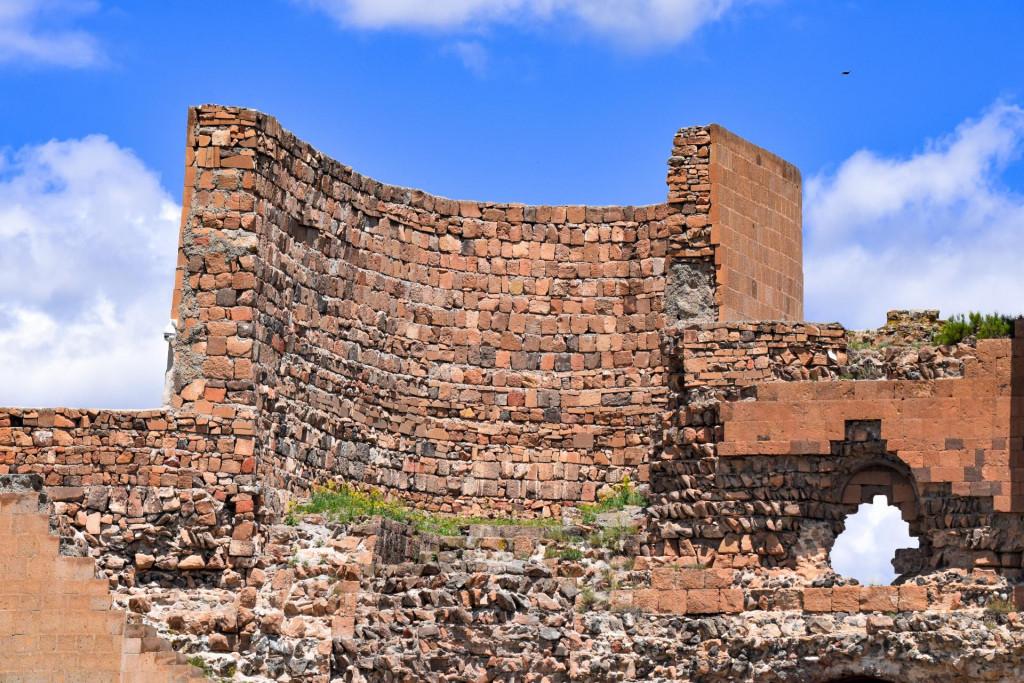
In the southern part of the Anisi city, on a hill, was the inner citadel. It has its own defensive walls, dating back to the period when the Kamsarakani dynasty ruled Anisi (7th century AD). Niko Mar excavated the citadel area in 1908–1909. He uncovered the ruins of the palace of the Bagratuni kings of Anisi, which occupied the highest part of the citadel. Also visible inside the citadel are the ruins of three churches and traces of several other unidentified buildings. One of the churches, the "Palace Church", is the oldest surviving church in Anisi, dating back to the 6th or 7th centuries. Niko Mar began an urgent restoration of this church, although the church is currently in ruins, probably as a result of the 1966 earthquake.
Fence
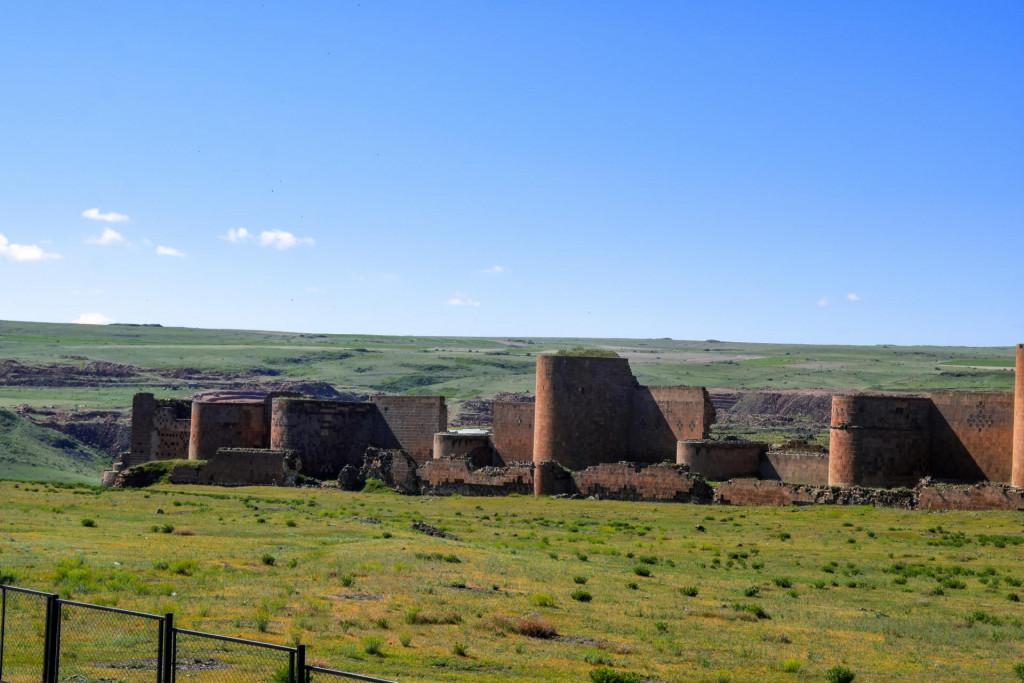
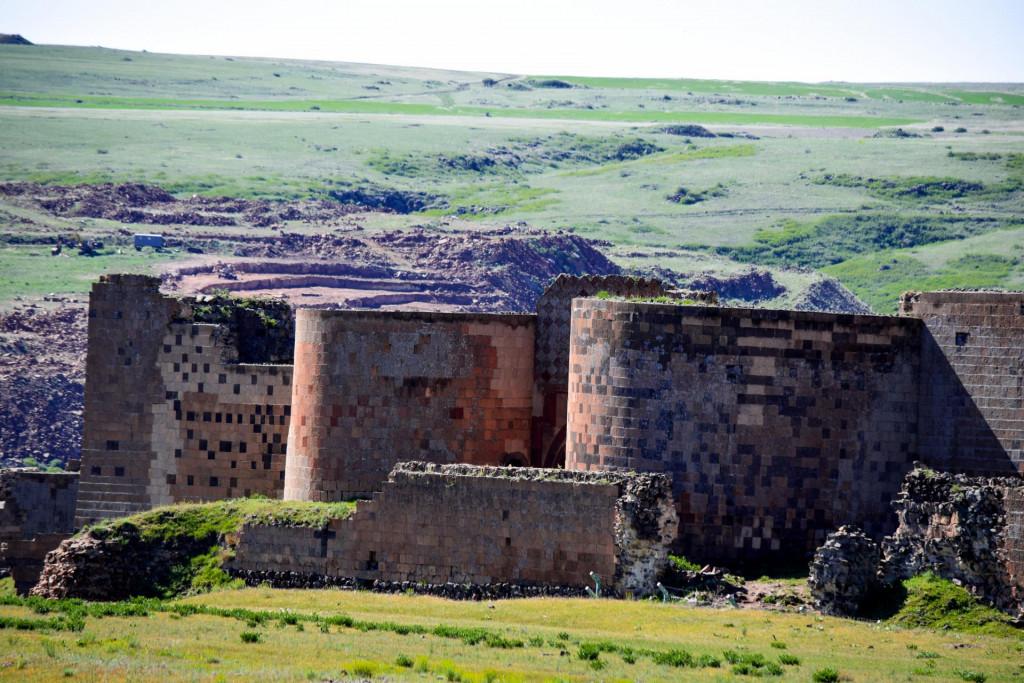
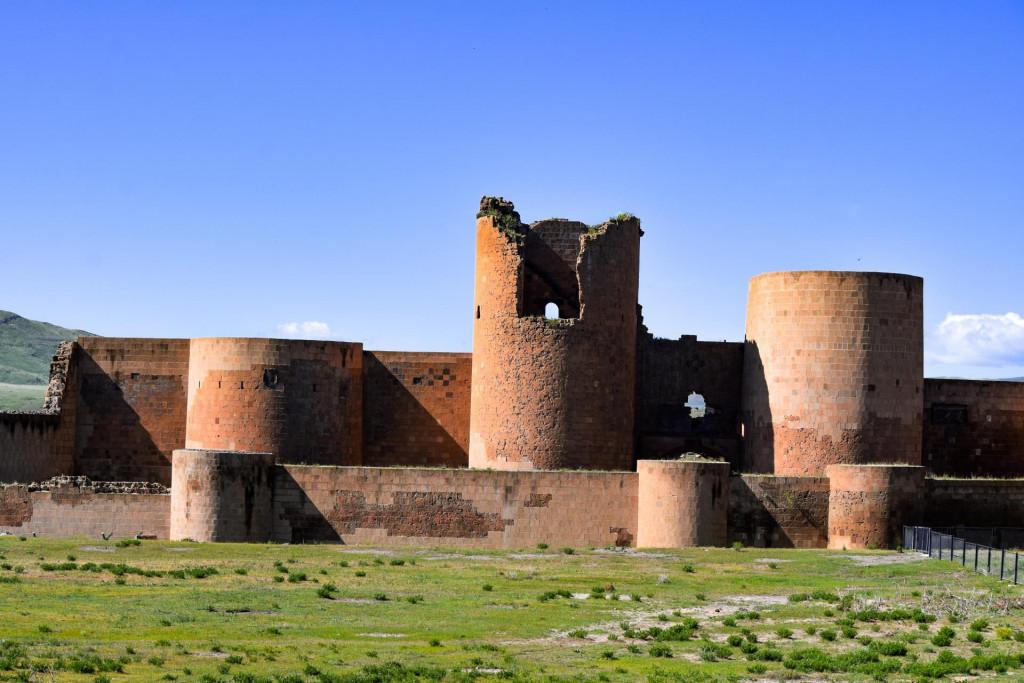
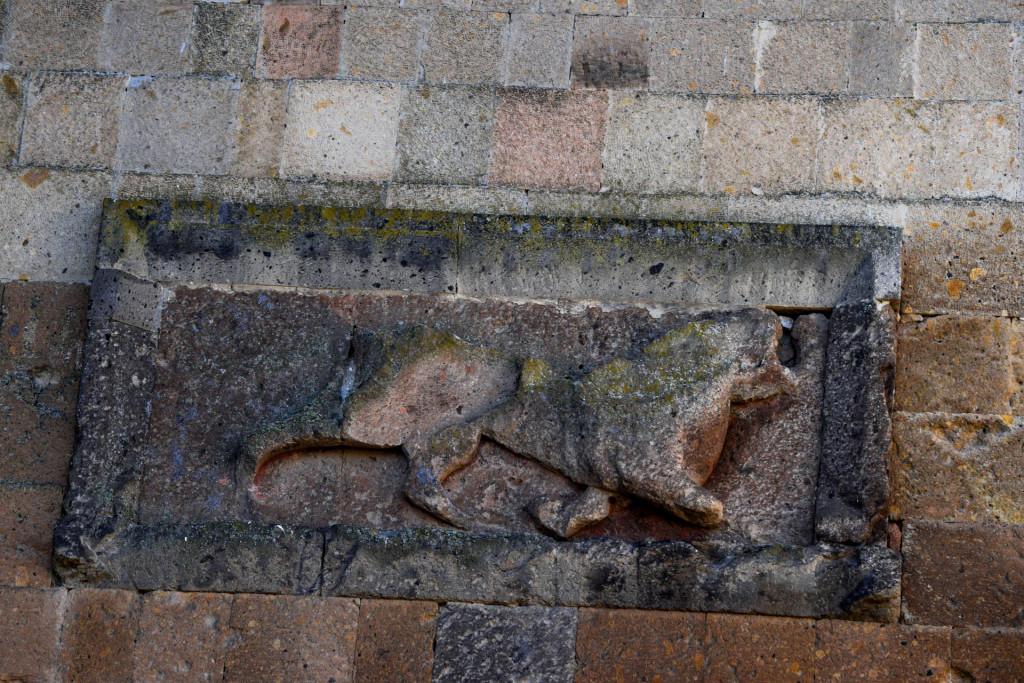
Ani was protected by a series of walls. The strongest defenses were on the northern side of the city, the only part of the city not protected by rivers or ravines. At this point, the city was protected by a double line of walls, with a much higher inner wall, which included many large and small semicircular towers. Chronicles attribute the construction of the wall to the Ani king Smbat II (977–989). Later, subsequent rulers reinforced Smbat's walls by adding more towers. Armenian inscriptions from the 12th and 13th centuries show that private individuals paid for part of the cost of building these new towers. The northern walls had three gates, known as the Lion's Gate, the Kars Gate, and the Dvin Gate.
Other monuments
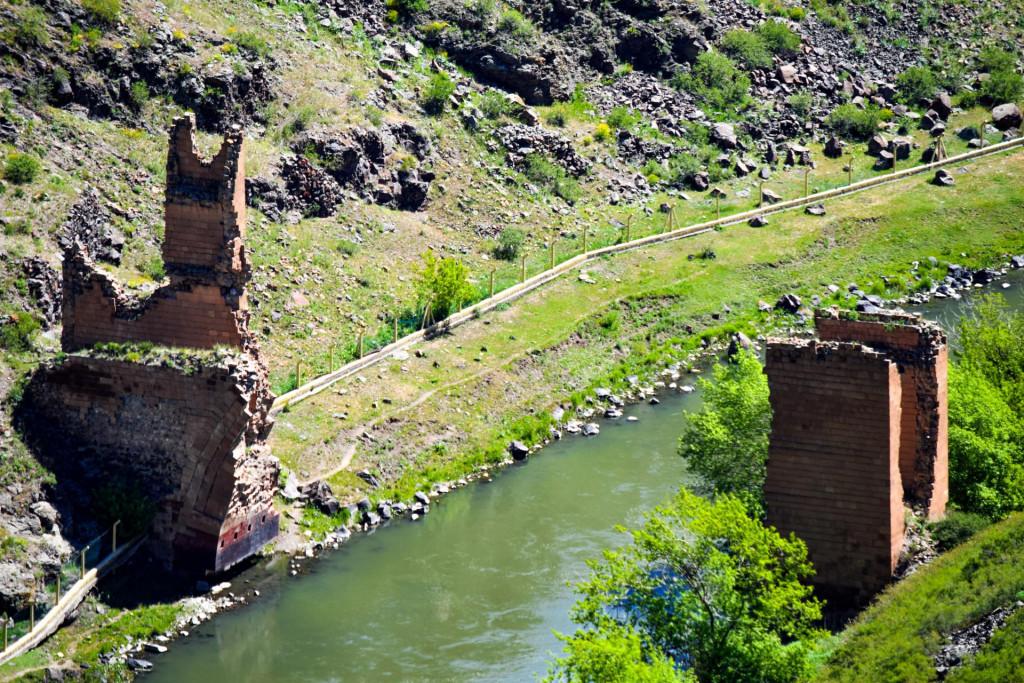
There are many other small monuments in Anis. Among them are a monastery known as the Chapel of the Virgins; a church used by the Chalcedonian Armenians; the remains of an arched bridge over the Akhuriani River; the ruins of several oil presses and several baths; the remains of a second mosque with a collapsed minaret; a palace, probably dating from the 13th century; the foundations of several other palaces and small dwellings; several streets with recently excavated remains, etc.

Our guides are ready to help you on this trip


Help other travelers use your experience.
Review this destination, share your thoughts, impressions, pros and cons.
Let's make traveling easier than ever.
 LOGIN WITH GOOGLE
Please login to ask a question
Ask a Question