
 GEO
 ENG
 RUS




Help other travelers use your experience.
Review this destination, share your thoughts, impressions, pros and cons.
Let's make traveling easier than ever.

განათავსეთ საკუთარი კოტეჯი / სასტუმრო ჩვენს პლატფორმაზე და გააცანით თქვენი მომსახურება 100 000-ზე მეტ მოგზაურს.

დაამატეთ თქვენი ავტომობილი Georgian Travel Guide-ზე და გახდით ხილული ყოველთვიურად 100 000-ზე მეტი მოგზაურისთვის.

ხარ გიდი? დაამატე შენი პროფილი Georgian Travel Guide-ზე და დაუკავშირდი მოგზაურებს პირდაპირ — შუამავალი კომპანიებისა და საკომისიოს გარეშე.

იცნობთ ადგილს, რომელიც რუკაზე ჯერ არავის დაუტანია? დაამატეთ ის Georgian Travel Guide-ზე უფასოდ და გააცანით ათასობით მოგზაურს. გაიცანი და გააცანი #უცნობისაქართველო

განათავსეთ თქვენი ტურები და აქტივობები Georgian Travel Guide-ზე და გააცანით ისინი ყოველთვიურად 100 000-ზე მეტ მოგზაურს, რომლებიც სწორედ ახლა გეგმავენ მოგზაურობას საქართველოში.
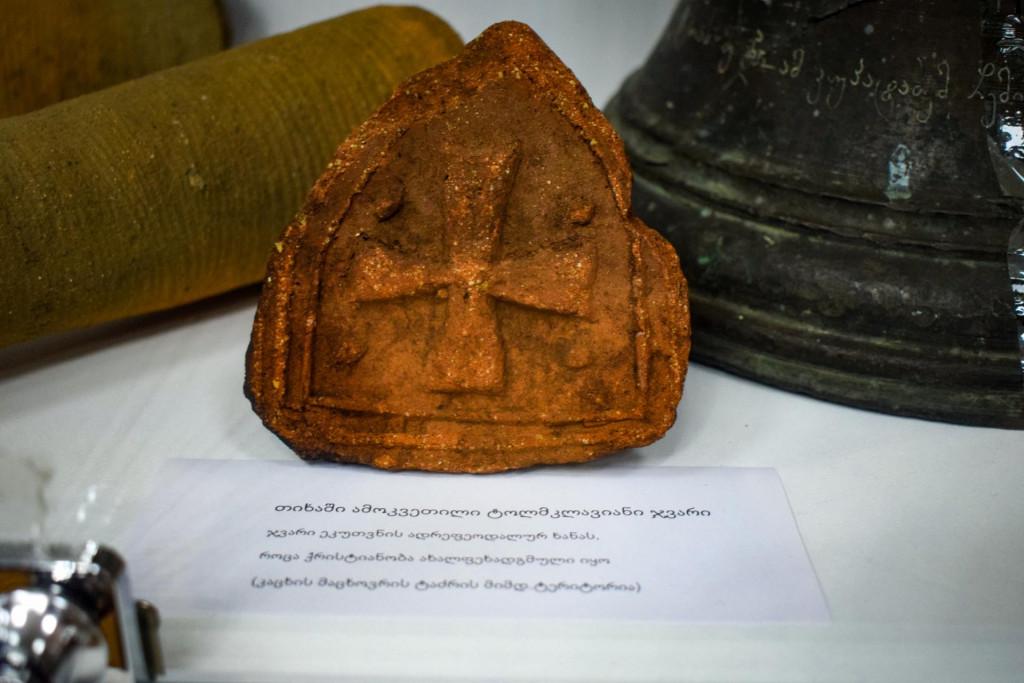
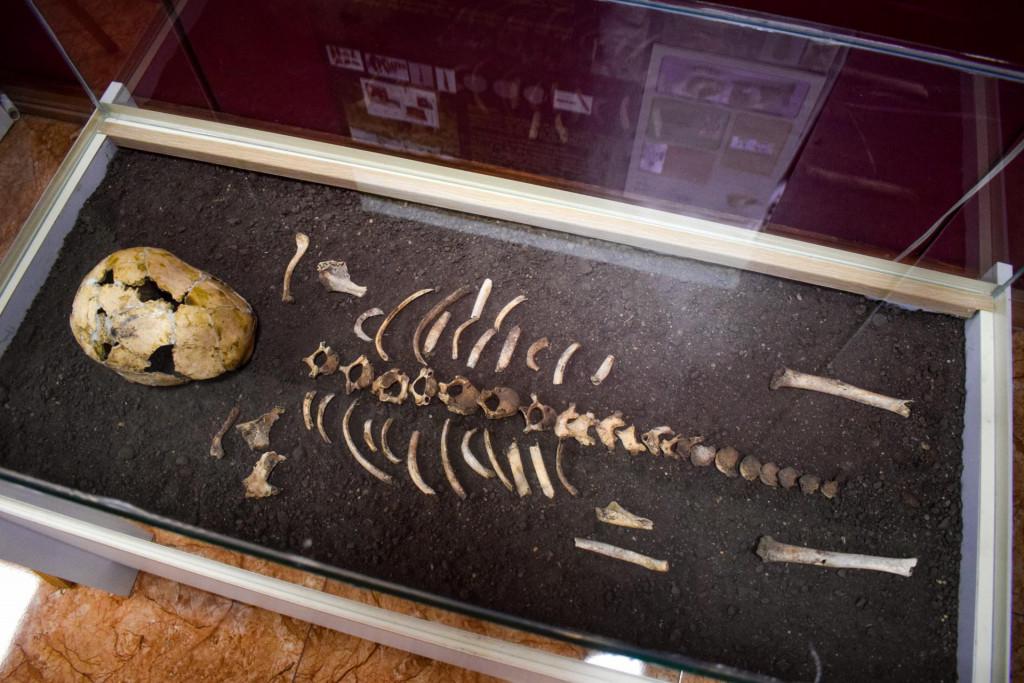
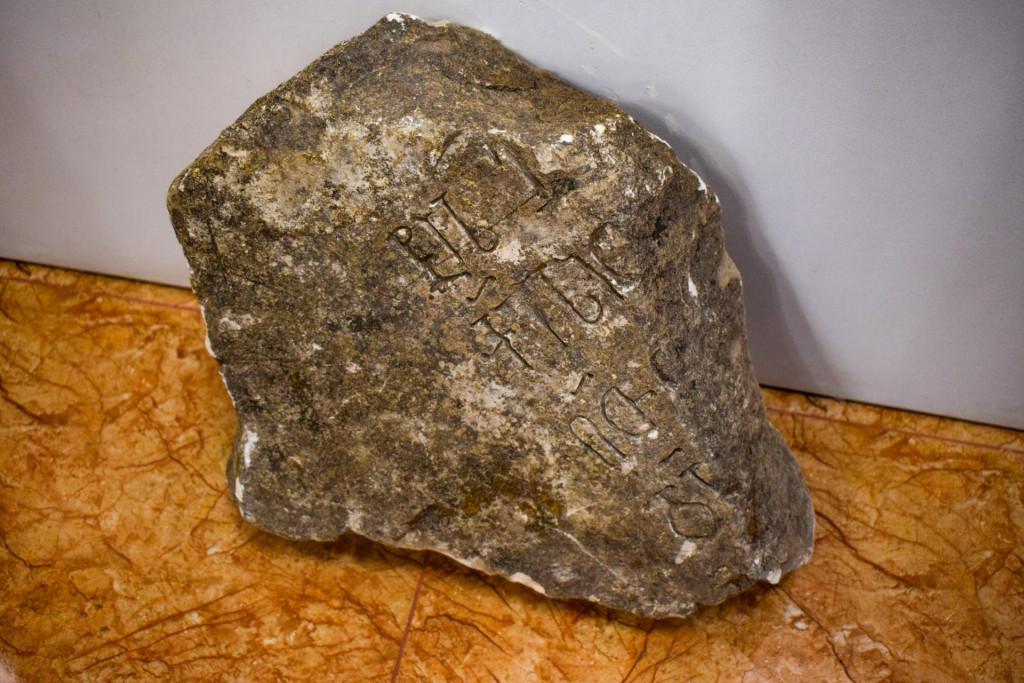
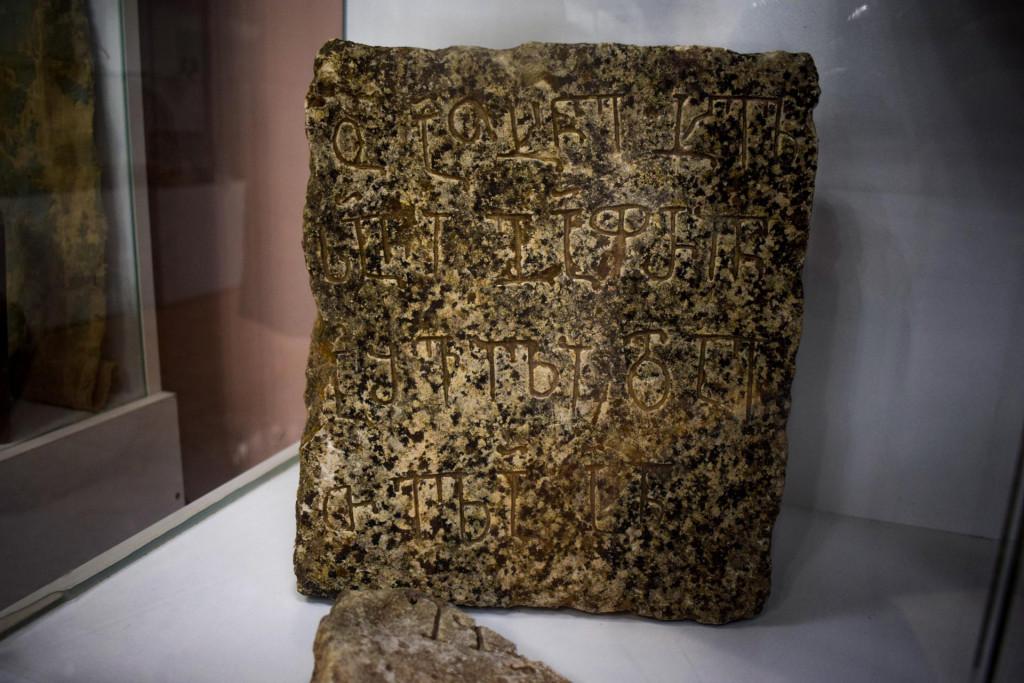
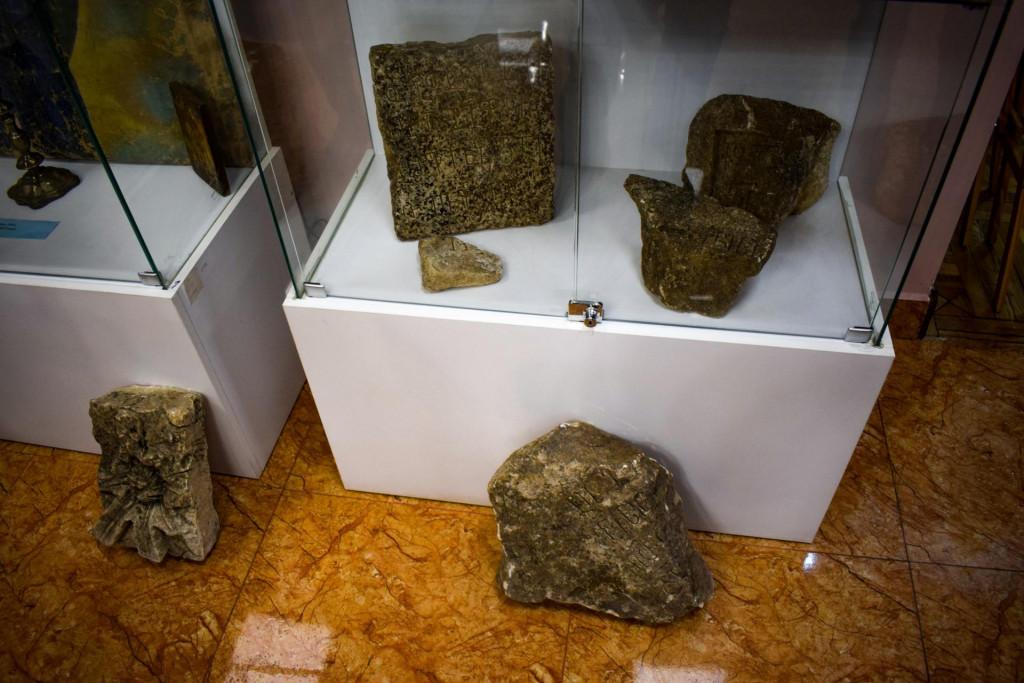
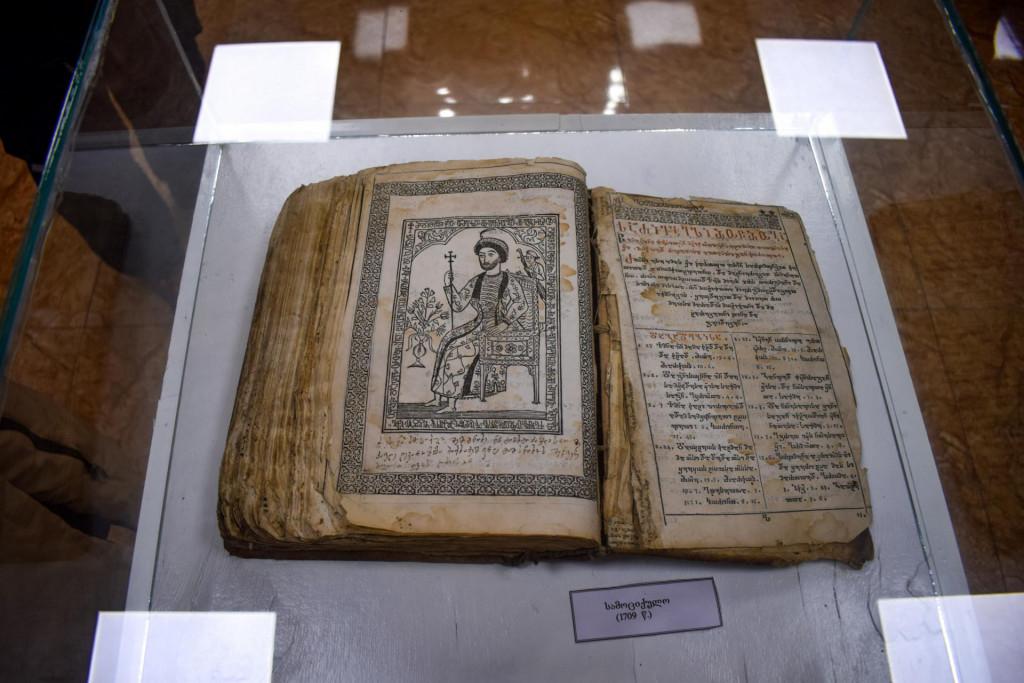
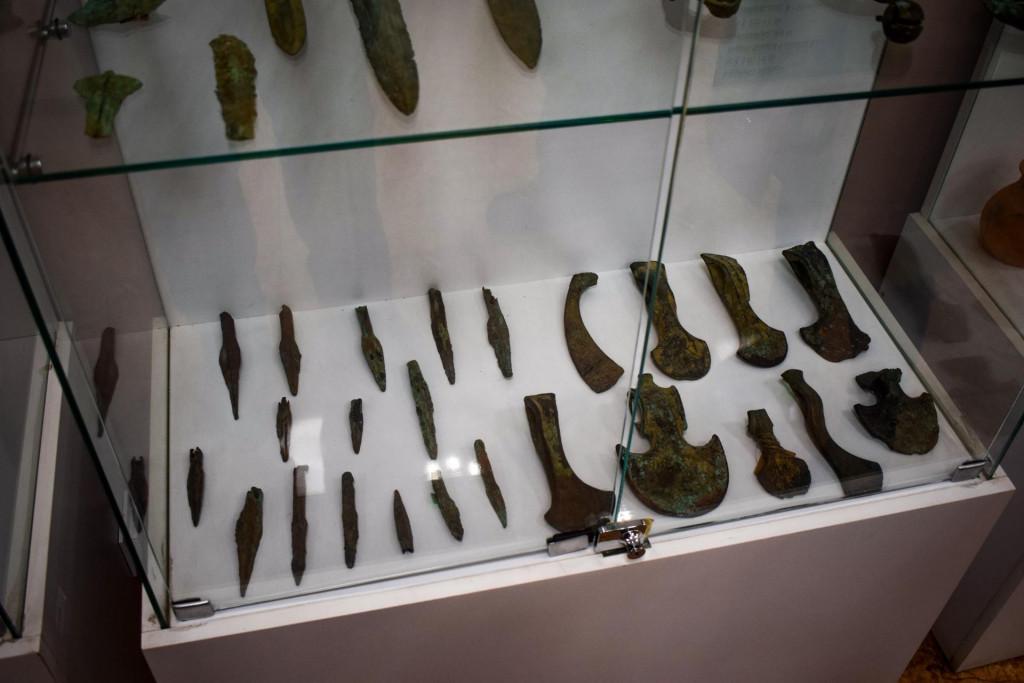
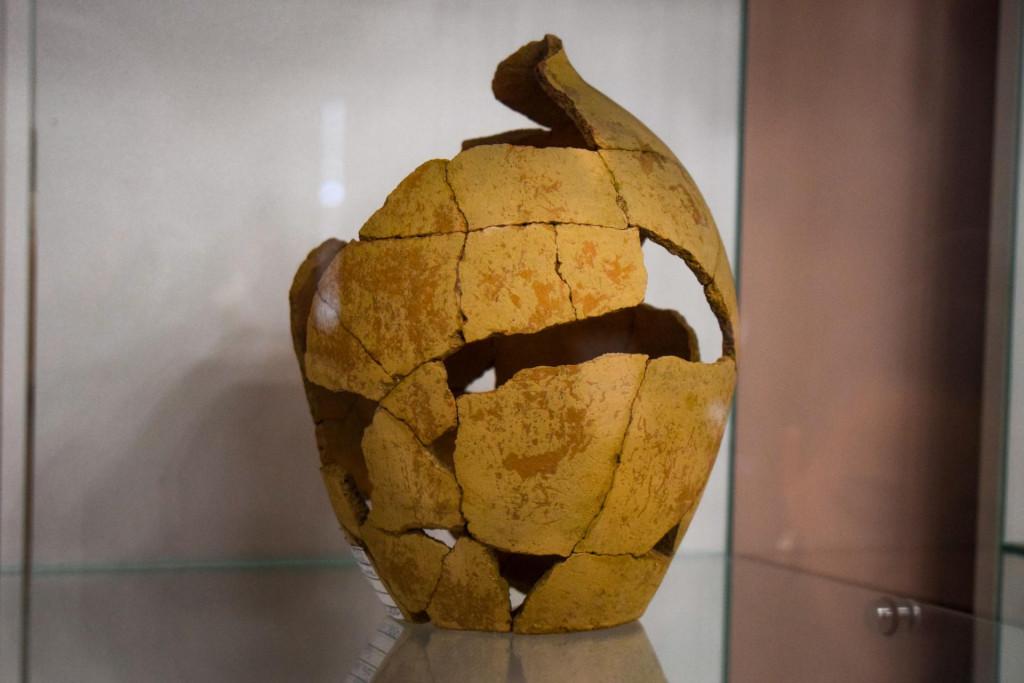
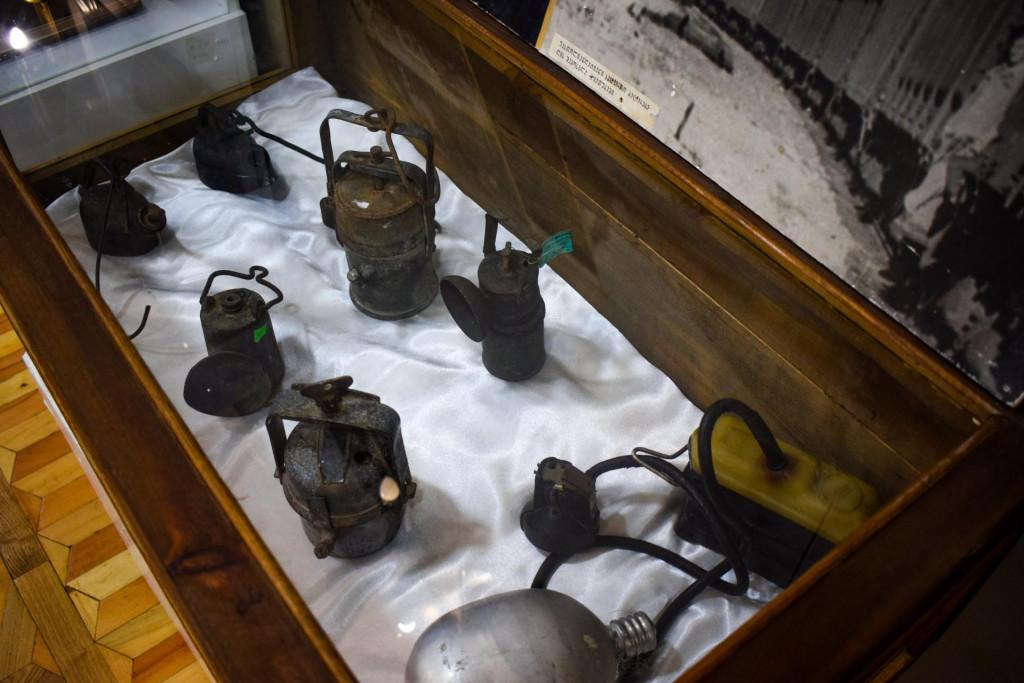
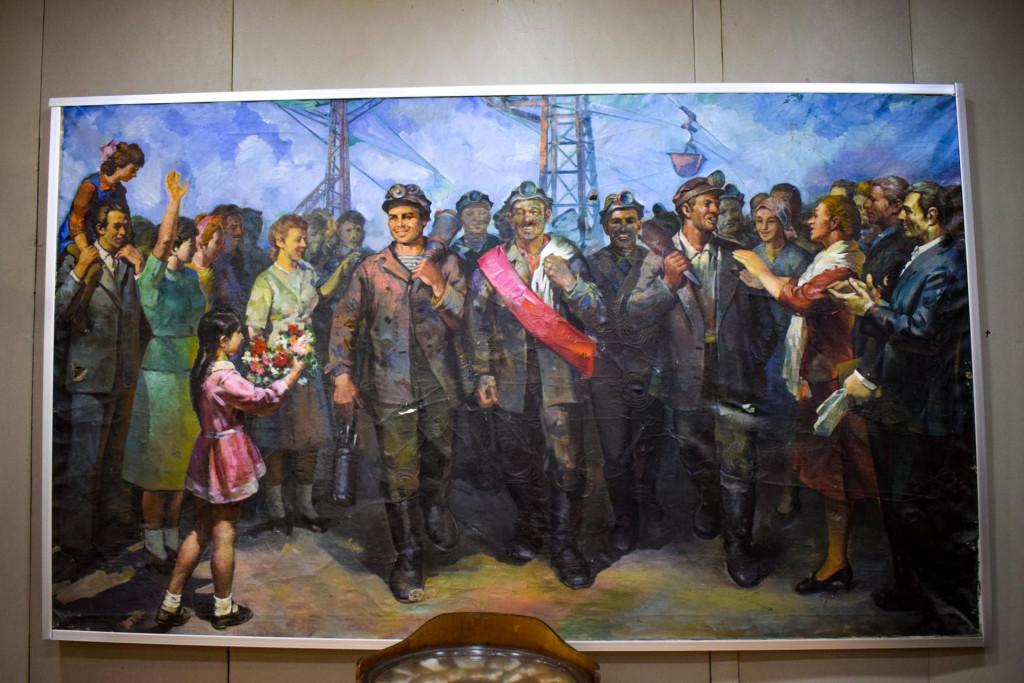
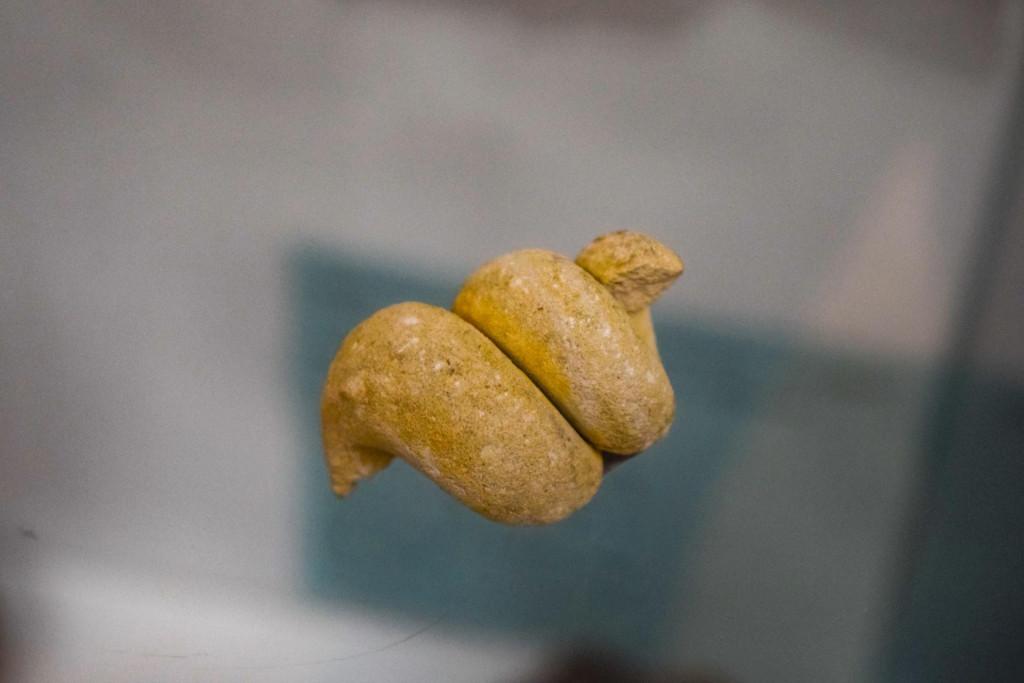
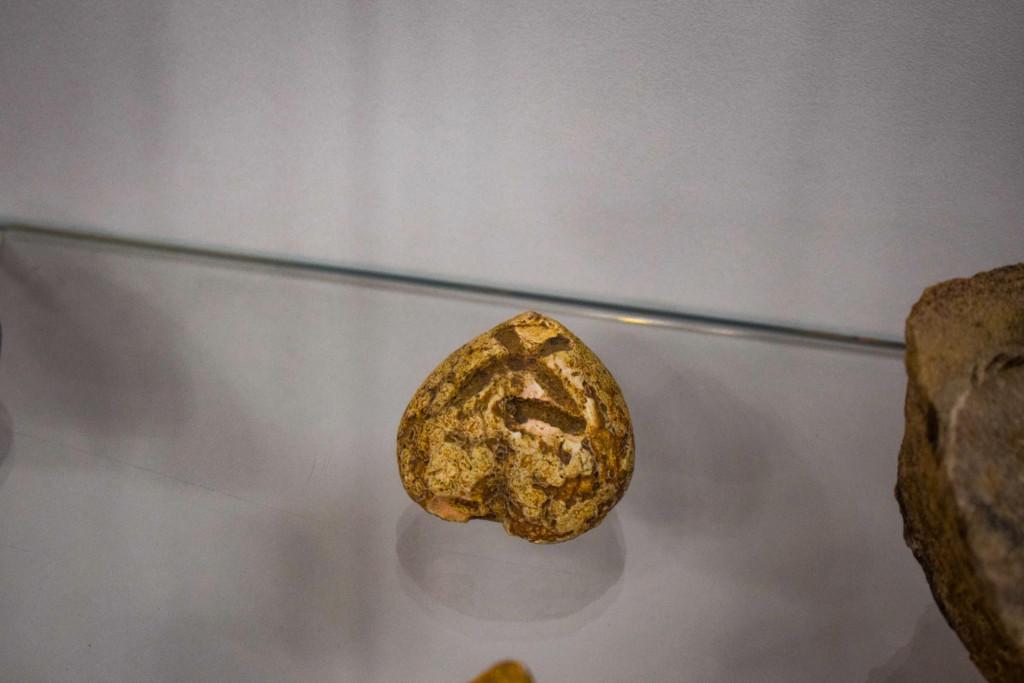
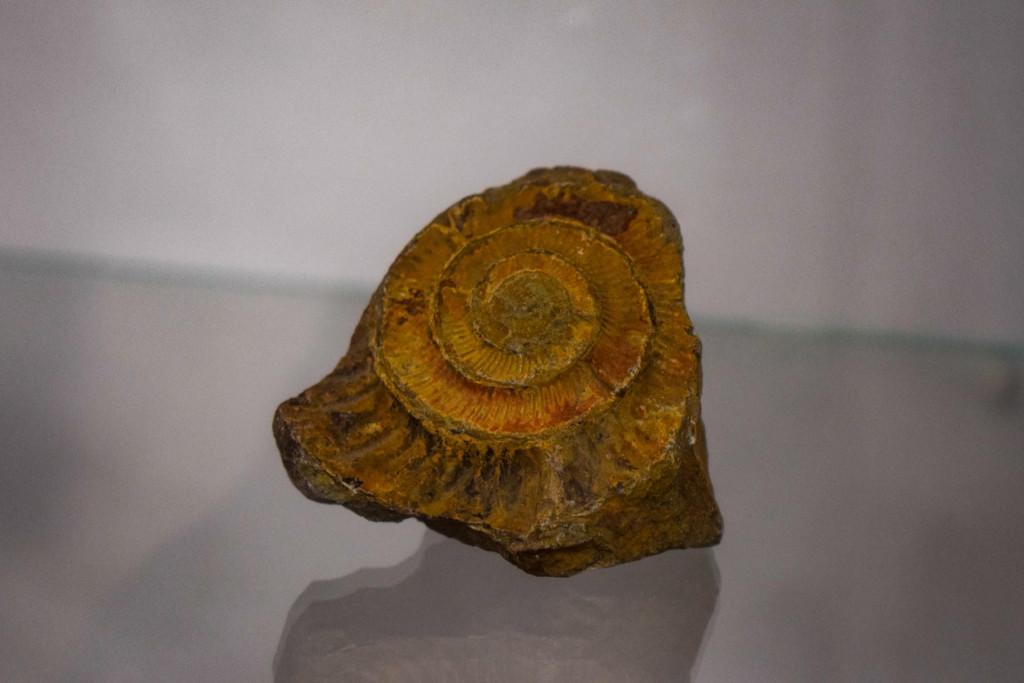
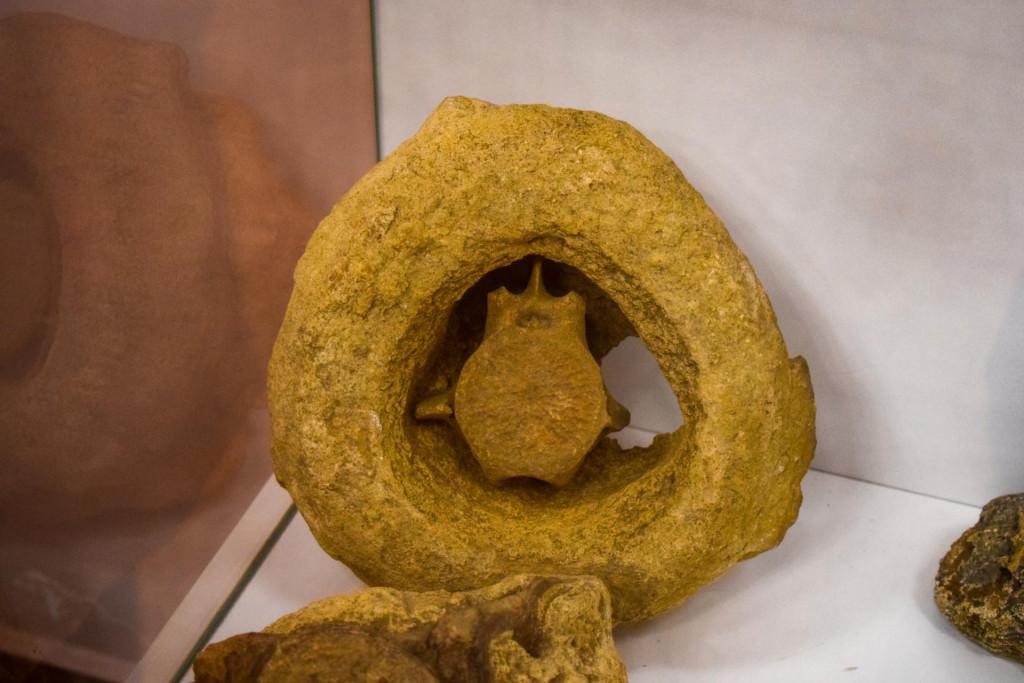
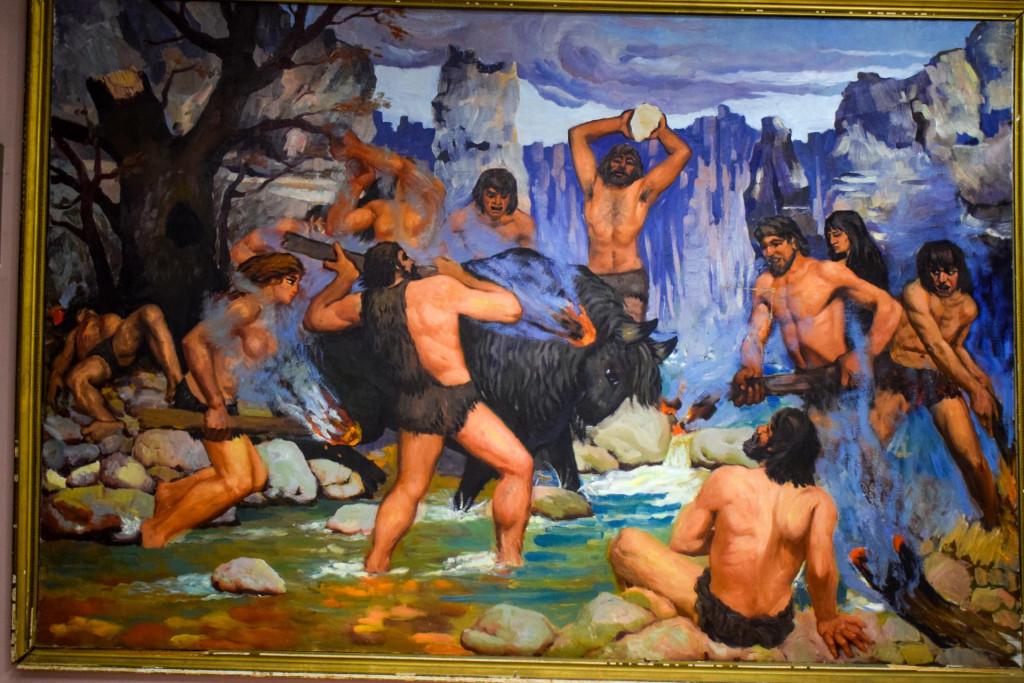
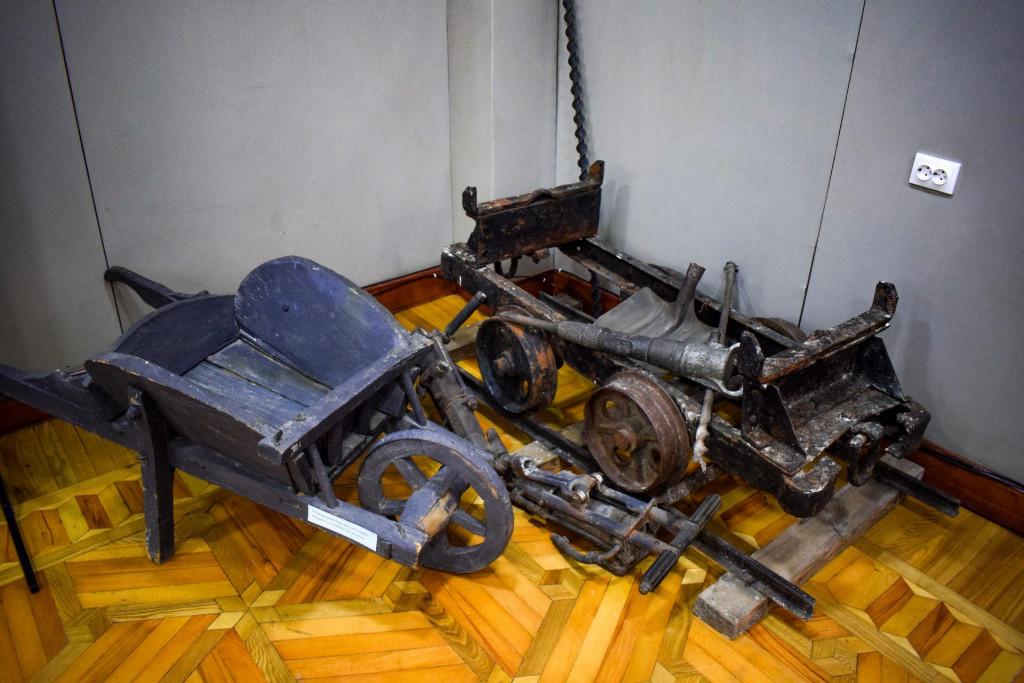
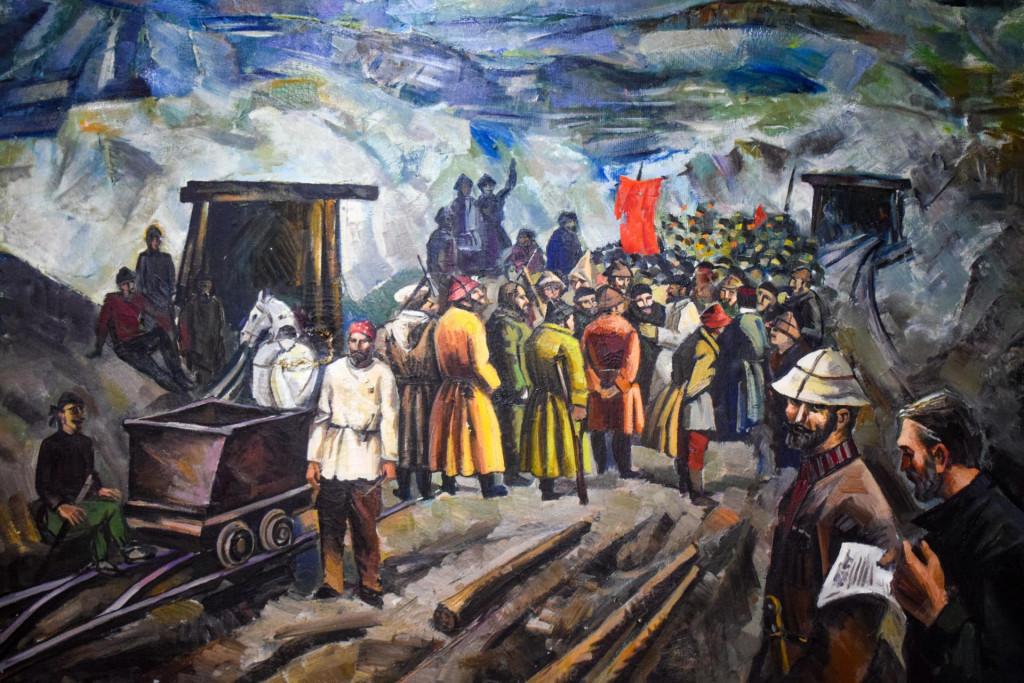
Chiatura Local History Museum is in Chiatura, Imereti. Founded in 1962, it brings together the area’s natural history, archaeology, everyday life and industry. The collections reach well beyond the manganese mining that shaped the modern town.
The palaeontological collection includes fossilised aquatic animals described in the museum’s catalogue as predating the glacial period. Among them are a shark vertebra, molluscs, turtle and fish remains, and shells.
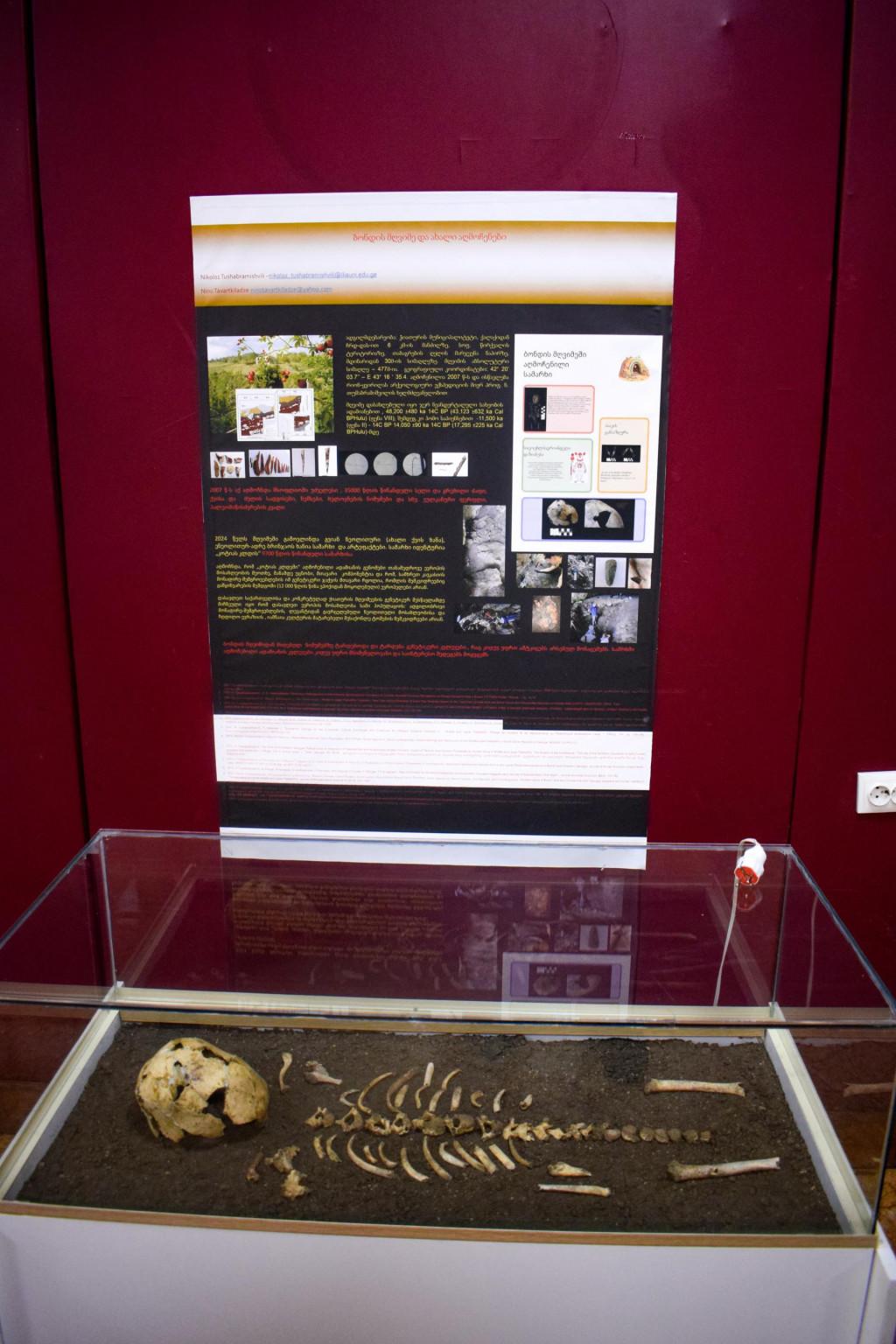
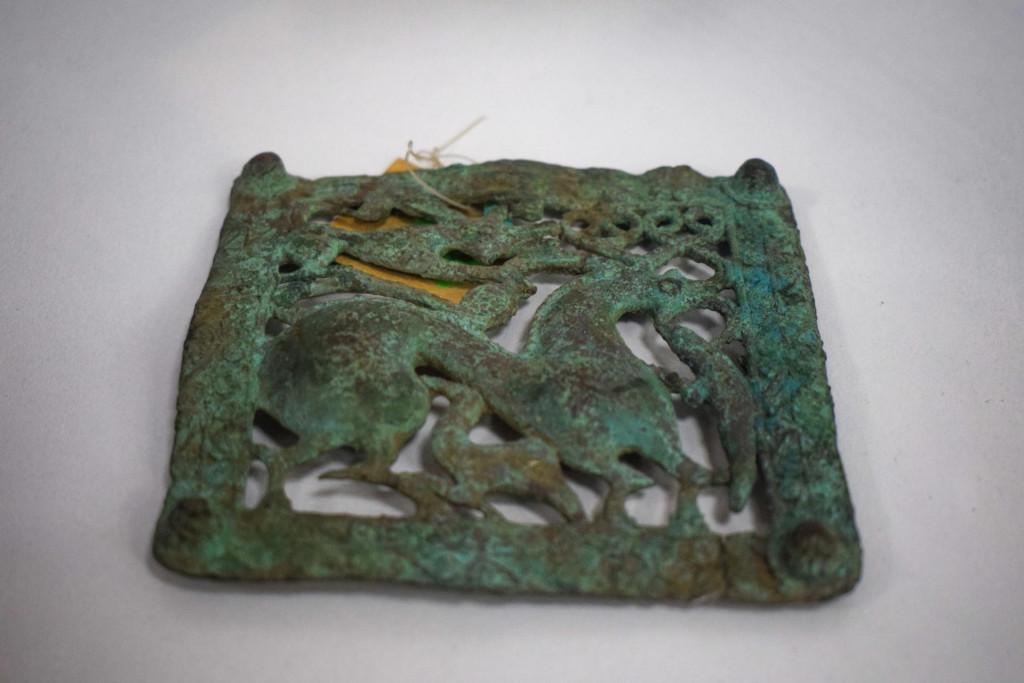
Archaeological finds from Chiatura Municipality include stone and bone tools and weapons. The collection description also lists bronze axes and spearheads dated to the third millennium BC, alongside women’s bronze jewellery: bracelets, earrings, buckles, pins and beads.
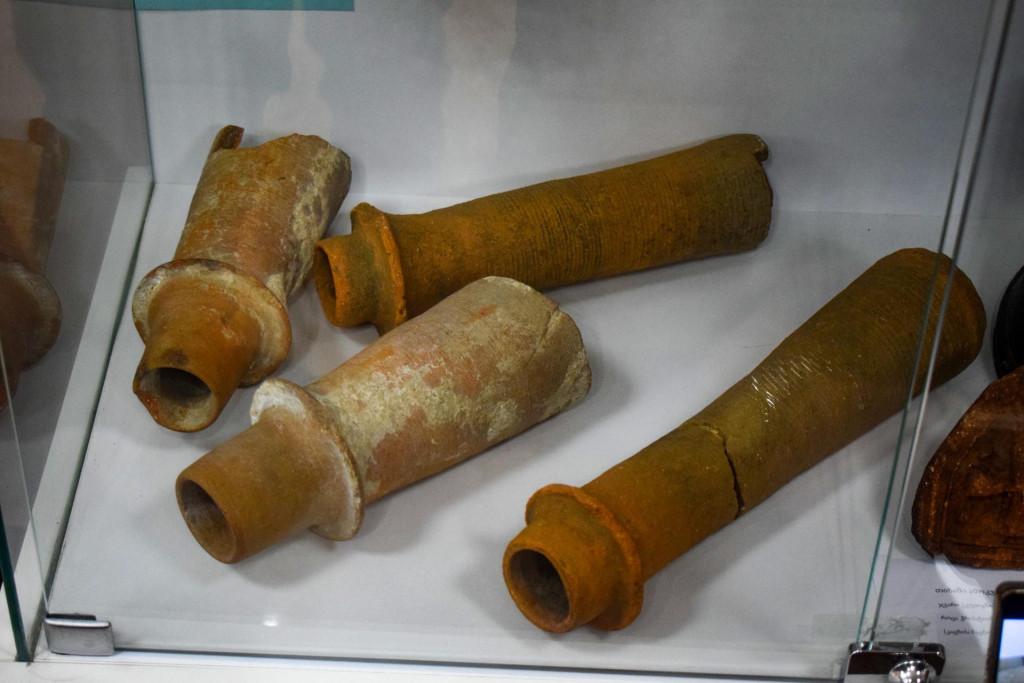
Clay water pipes and pottery illustrate life in the feudal period. A Georgian warrior’s equipment, together with Persian and Ottoman weapons, represents its military history.
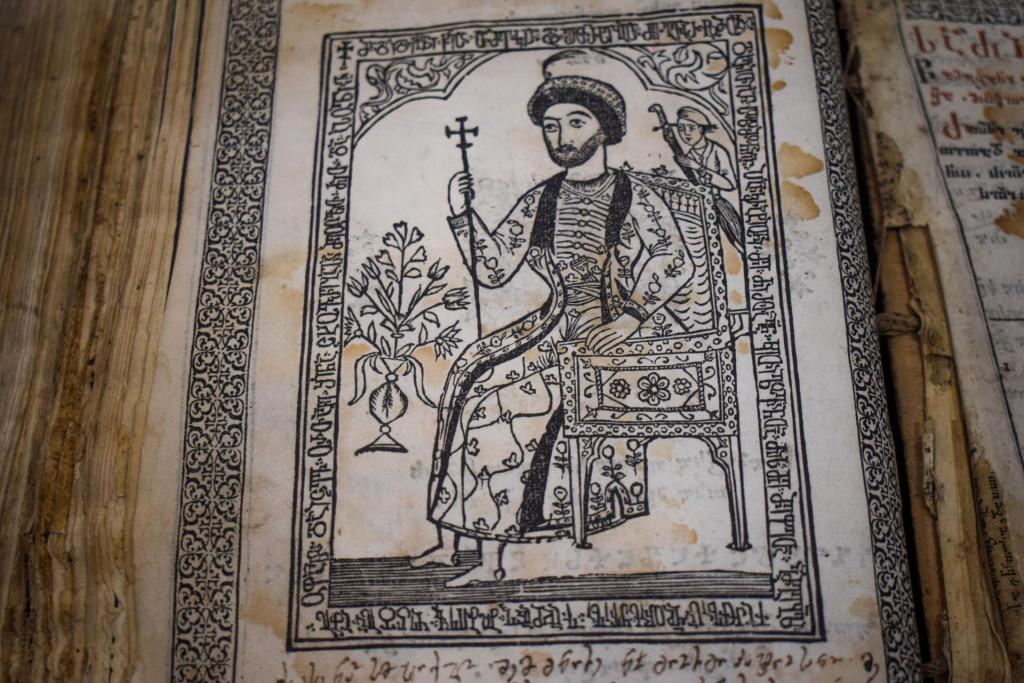
The religious collection includes an Apostolos, a book of apostolic readings associated with the printing house of Vakhtang VI’s time, and a door fragment from Mghvimevi Convent dated to the second half of the 13th century. Visiting the convent adds context to this surviving piece of its historic fabric.
The museum also holds coins and other numismatic material, ethnographic objects, photographs, paintings by local artists and examples of applied art. A section devoted to manganese follows the industry from the start of production through its later development, connecting the town’s history with work and everyday life.
The museum occupies the former Wedding Palace building alongside the tourist information space. Older directories give a different address, so confirm the current entrance, opening hours and admission arrangements before visiting. Continue exploring the town with the Sashevardno Cable Car, which offers another perspective on Chiatura’s terrain and transport history.
Our guides are ready to help you on this trip


Help other travelers use your experience.
Review this destination, share your thoughts, impressions, pros and cons.
Let's make traveling easier than ever.
 LOGIN WITH GOOGLE
Please login to ask a question
Ask a Question