
 GEO
GEO  ENG
ENG  RUS
RUS 

Help other travelers use your experience.
Review this destination, share your thoughts, impressions, pros and cons.
Let's make traveling easier than ever.
დაამატეთ თქვენი რესტორანი Georgian Travel Guide-ზე — მიიღეთ ონლაინ ჯავშნები წინასწარი გადახდით და გახდით ხილული ყოველთვიურად 100 000-ზე მეტი მოგზაურისთვის.

განათავსეთ საკუთარი კოტეჯი / სასტუმრო ჩვენს პლატფორმაზე და გააცანით თქვენი მომსახურება 100 000-ზე მეტ მოგზაურს.

დაამატეთ თქვენი ავტომობილი Georgian Travel Guide-ზე და გახდით ხილული ყოველთვიურად 100 000-ზე მეტი მოგზაურისთვის.

ხარ გიდი? დაამატე შენი პროფილი Georgian Travel Guide-ზე და დაუკავშირდი მოგზაურებს პირდაპირ — შუამავალი კომპანიებისა და საკომისიოს გარეშე.

იცნობთ ადგილს, რომელიც რუკაზე ჯერ არავის დაუტანია? დაამატეთ ის Georgian Travel Guide-ზე უფასოდ და გააცანით ათასობით მოგზაურს. გაიცანი და გააცანი #უცნობისაქართველო

განათავსეთ თქვენი ტურები და აქტივობები Georgian Travel Guide-ზე და გააცანით ისინი ყოველთვიურად 100 000-ზე მეტ მოგზაურს, რომლებიც სწორედ ახლა გეგმავენ მოგზაურობას საქართველოში.
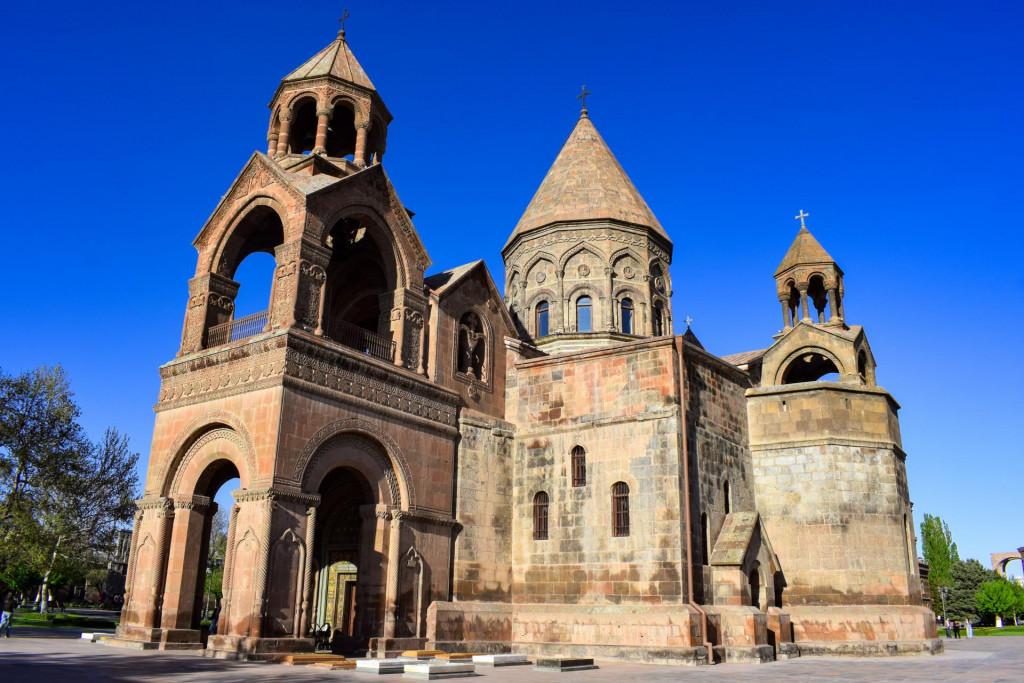
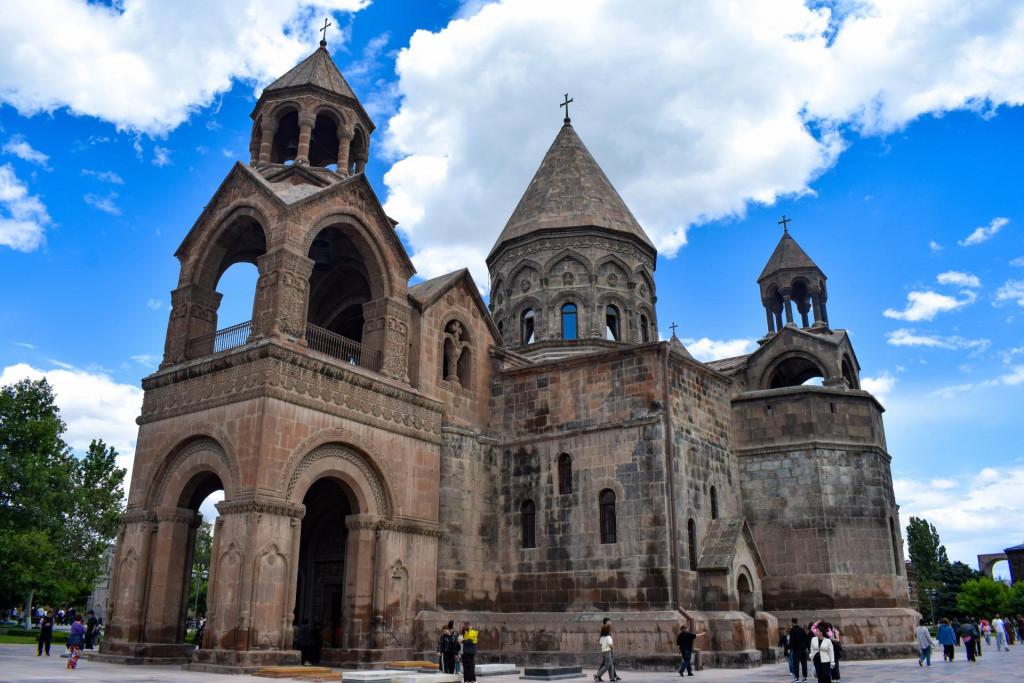
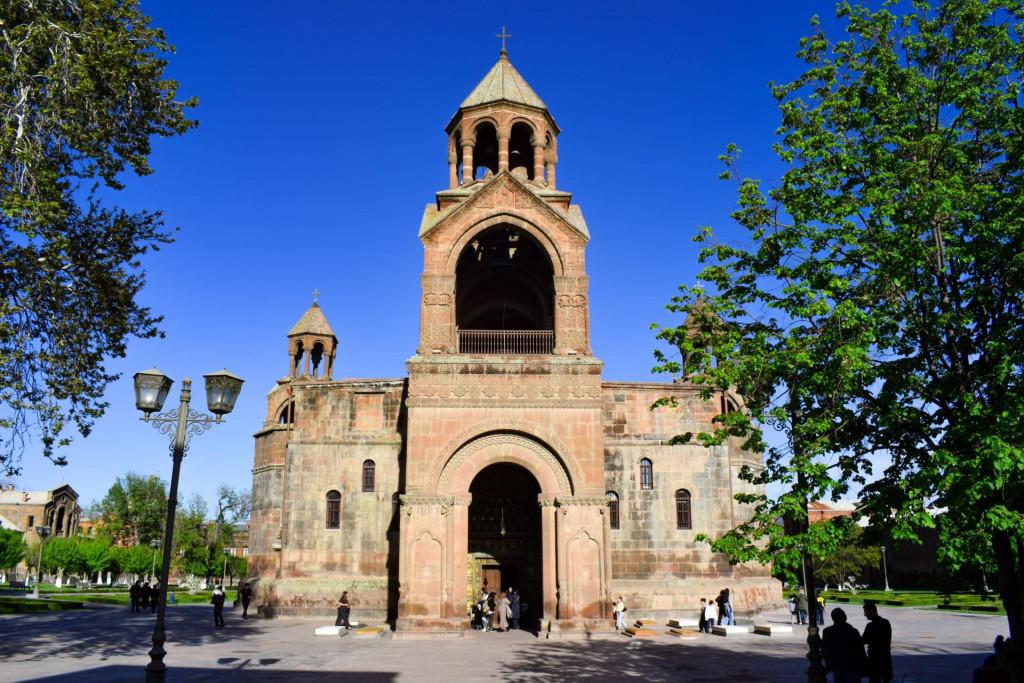
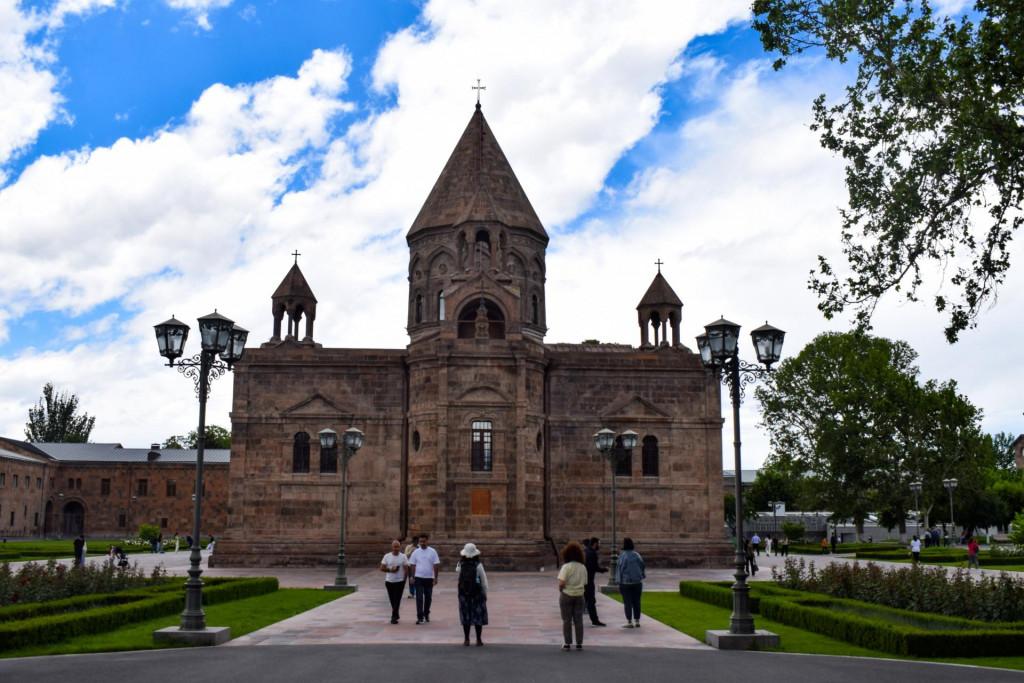
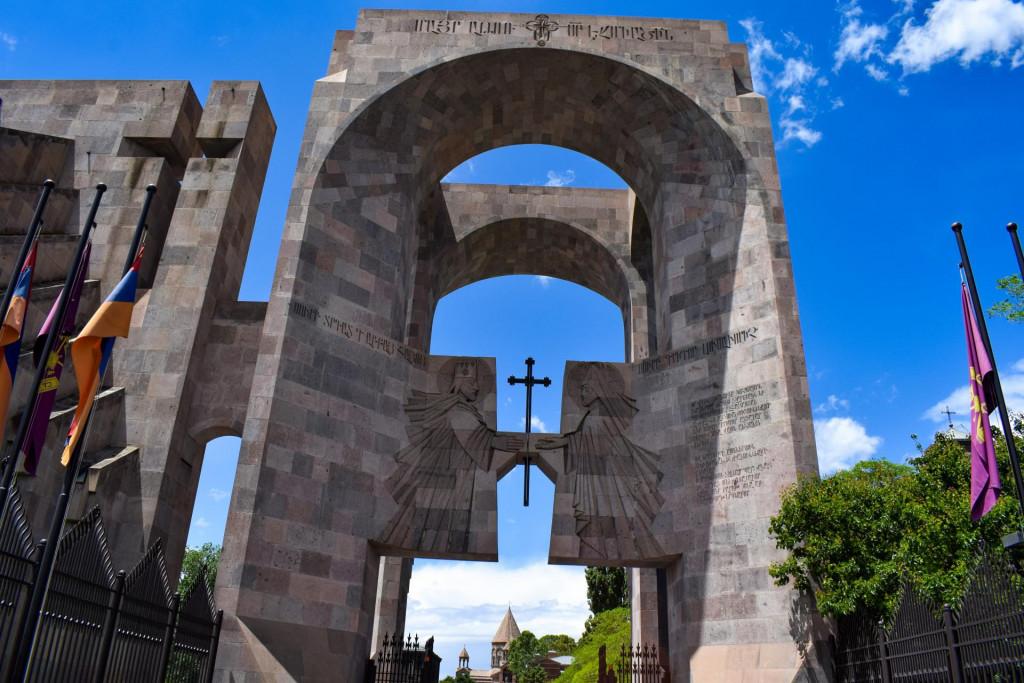
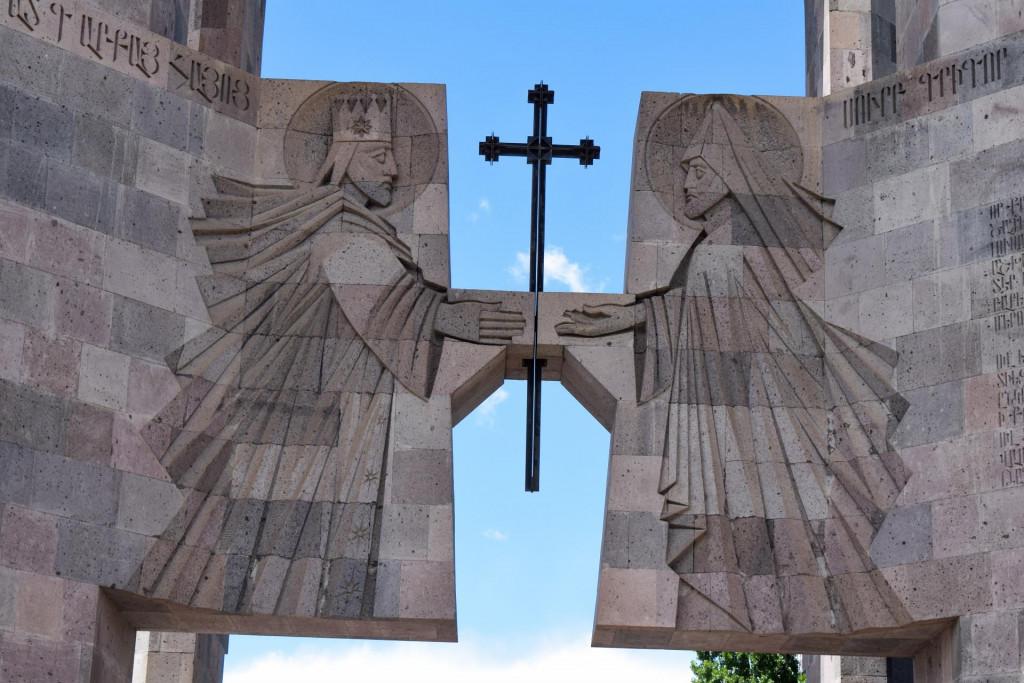
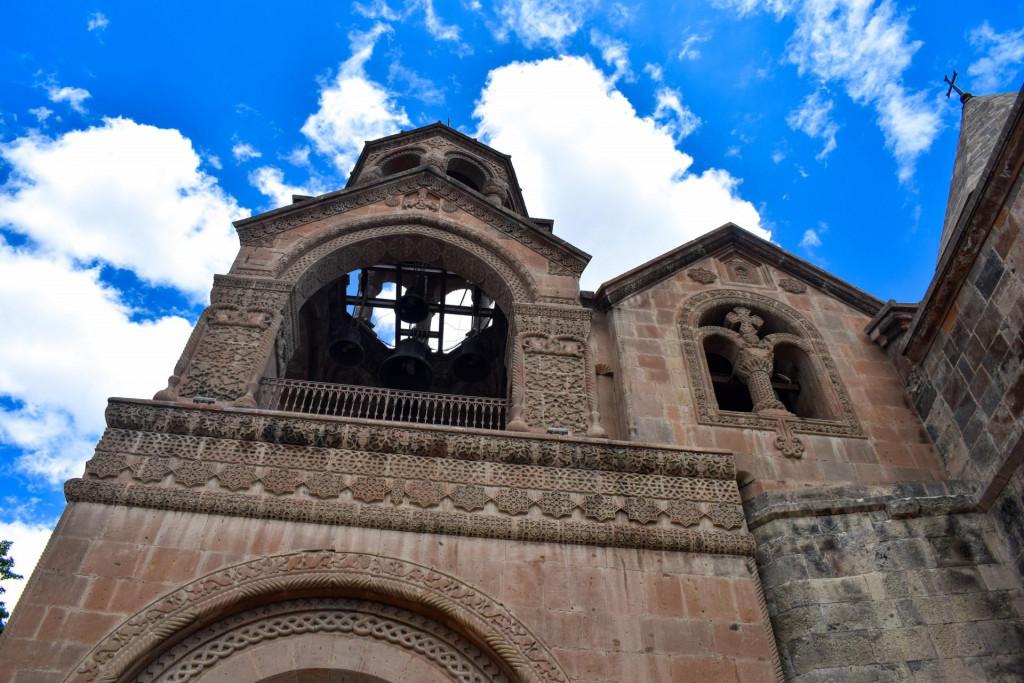
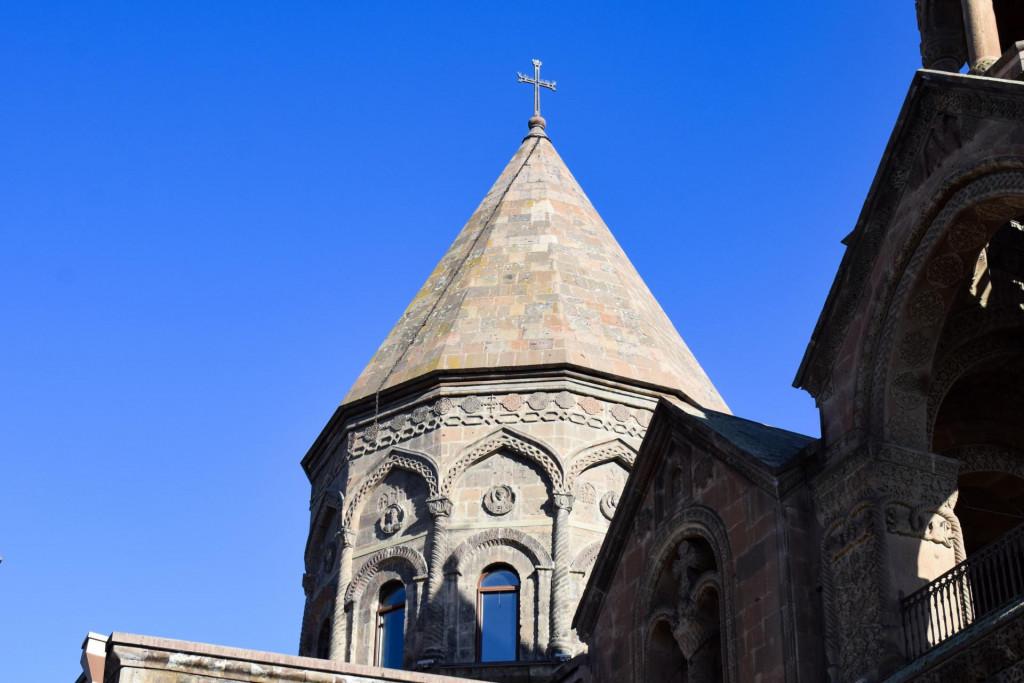
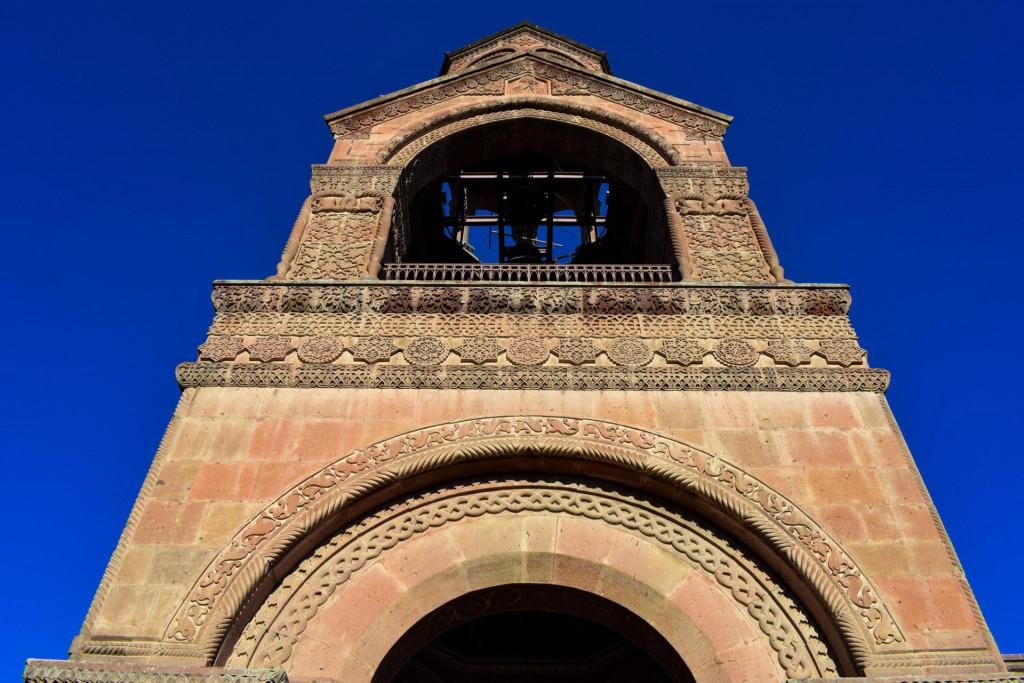
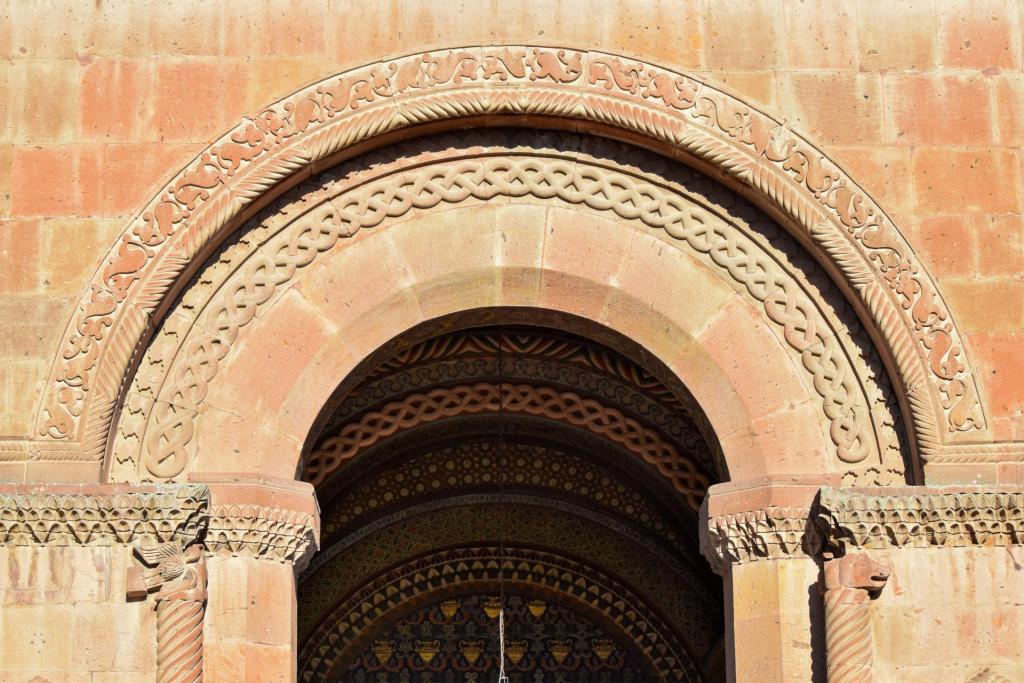
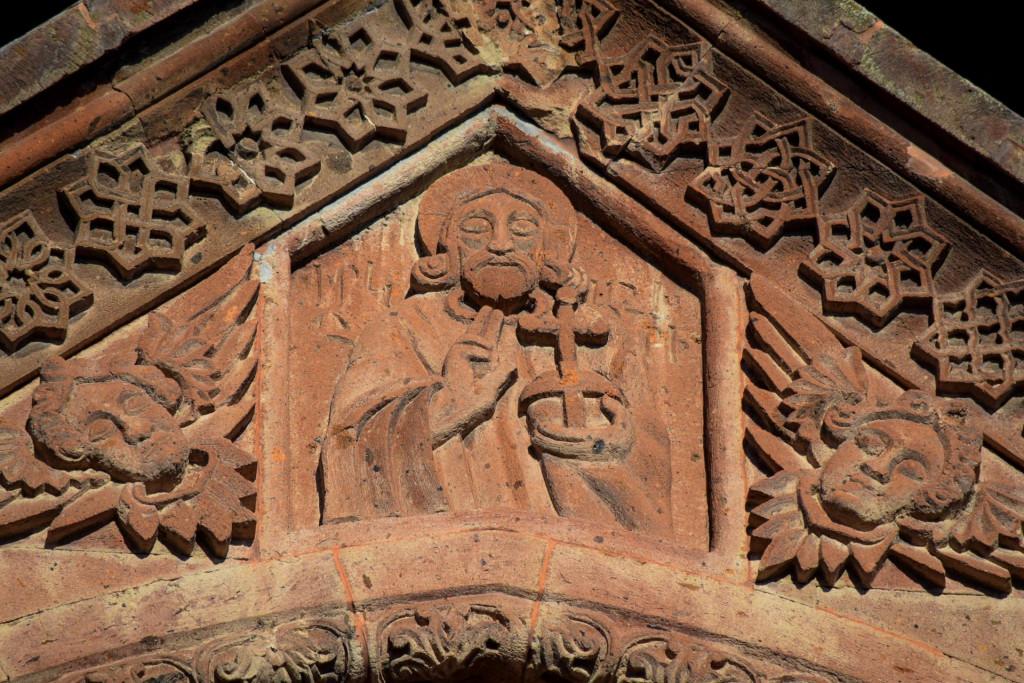
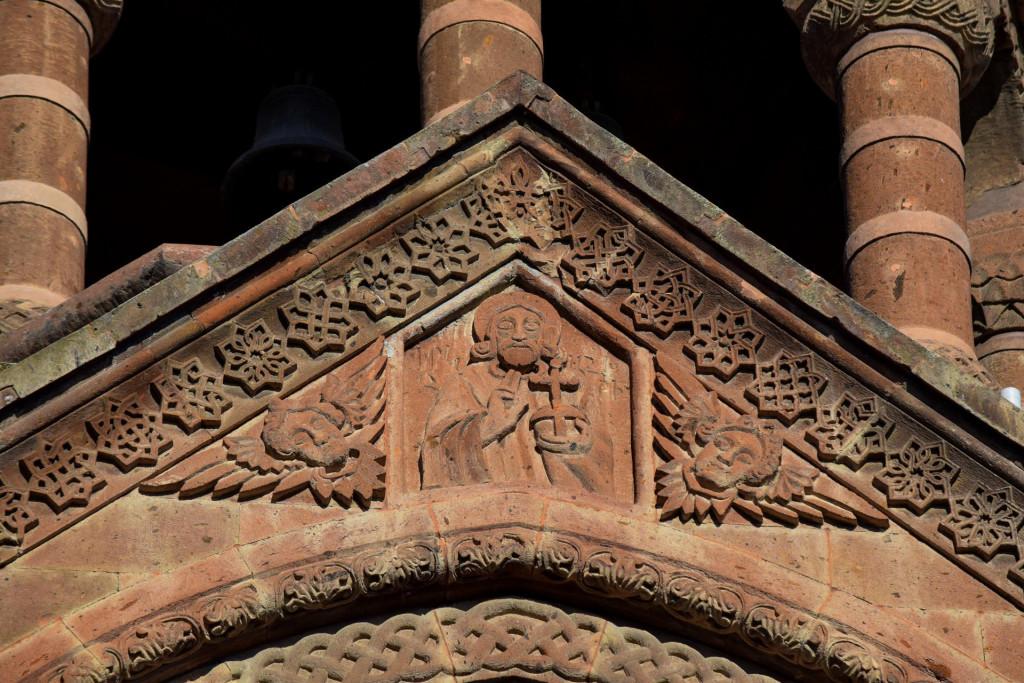
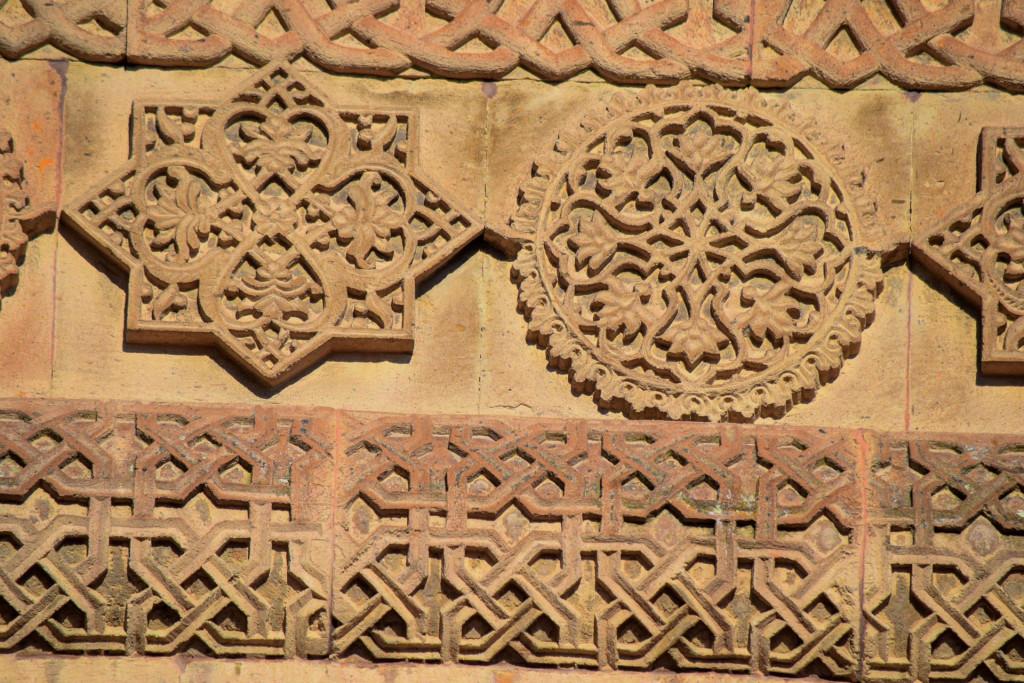
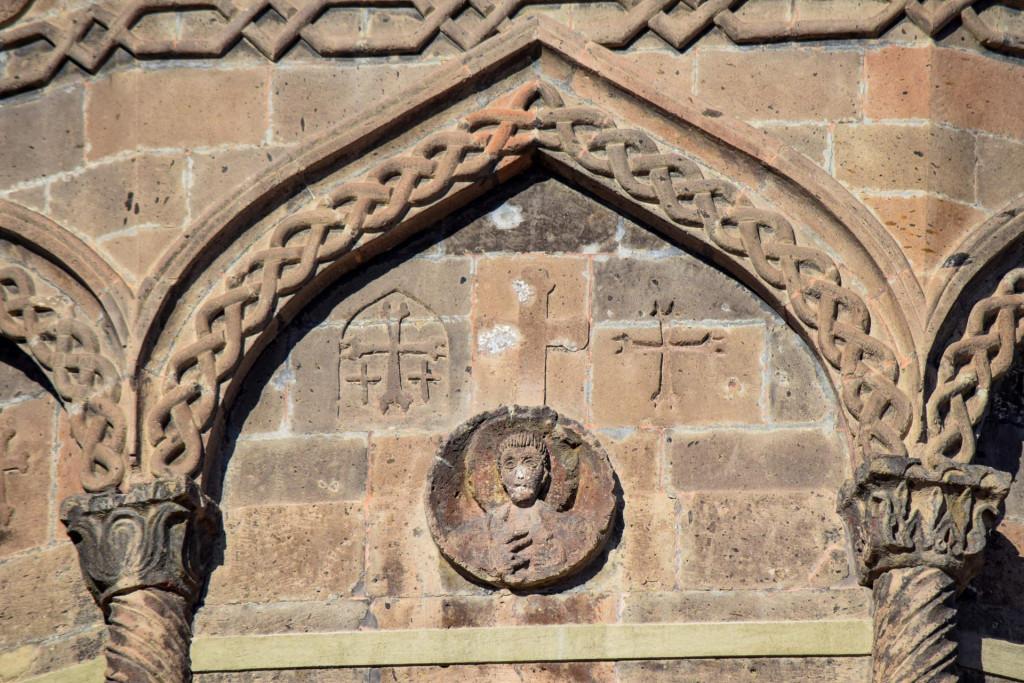
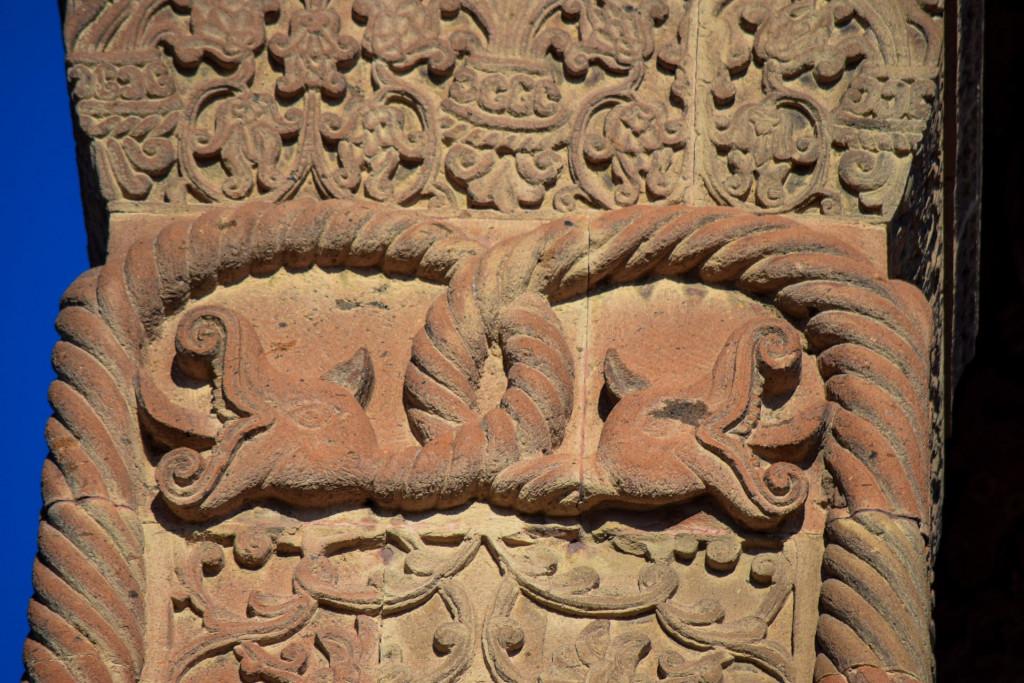
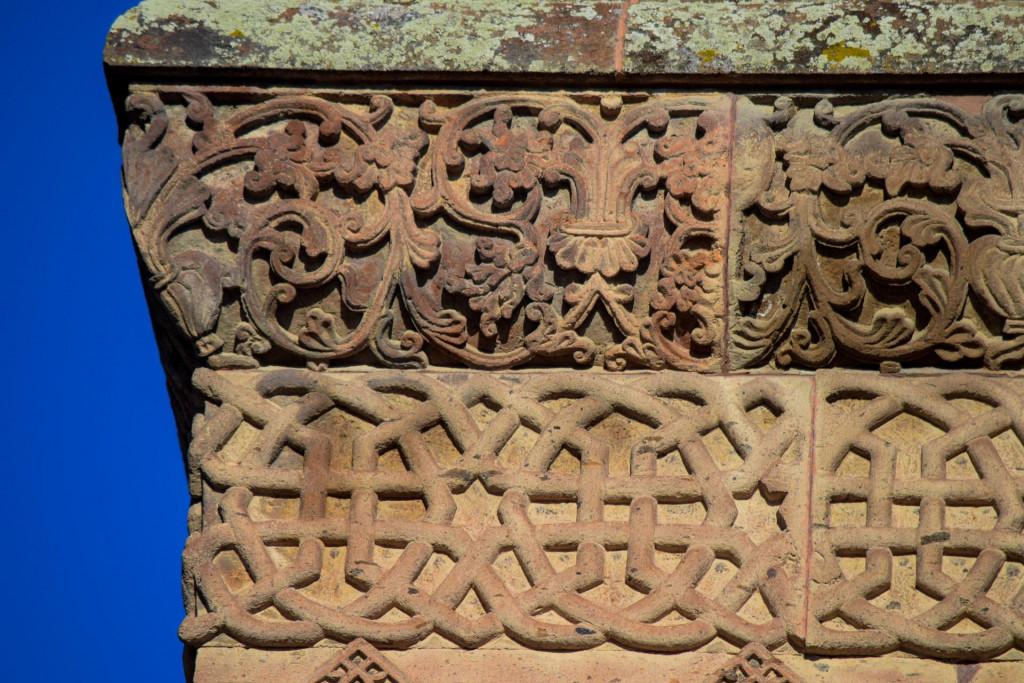
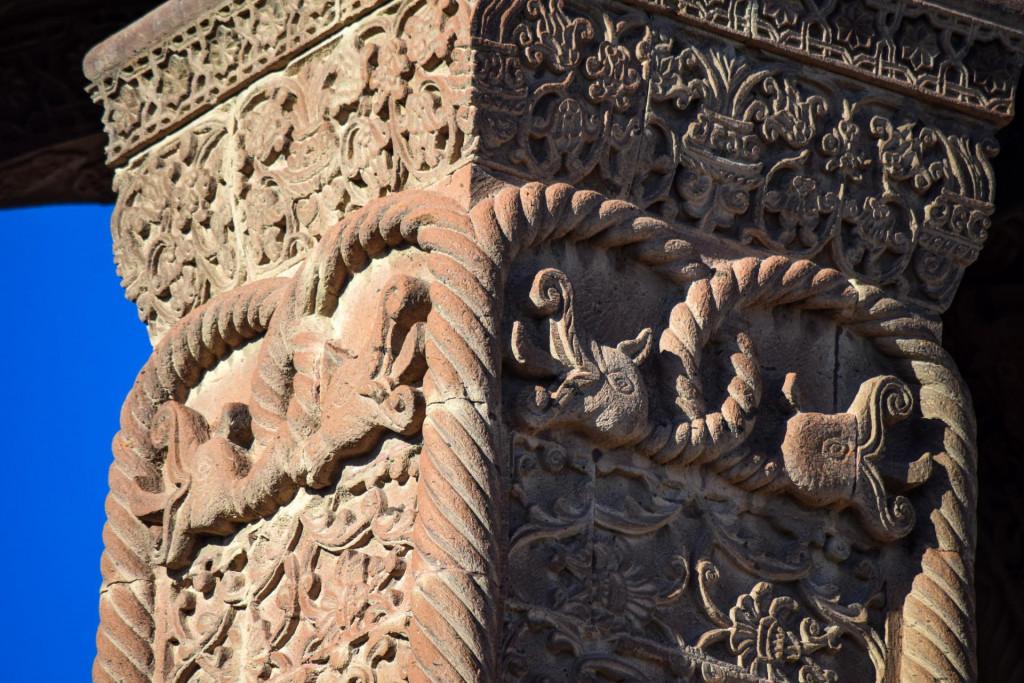
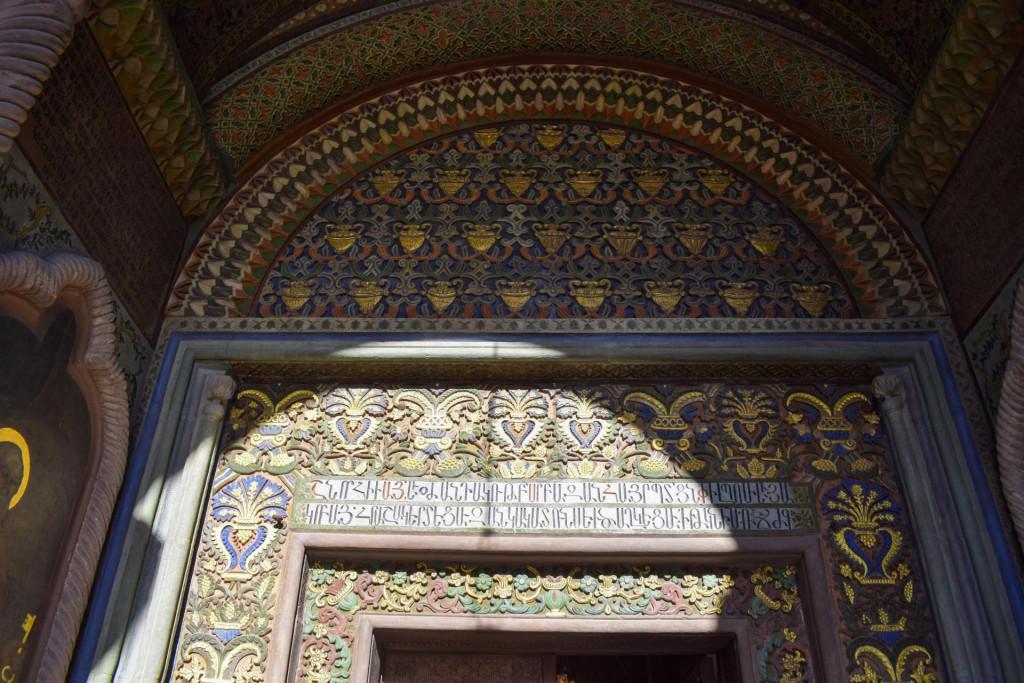
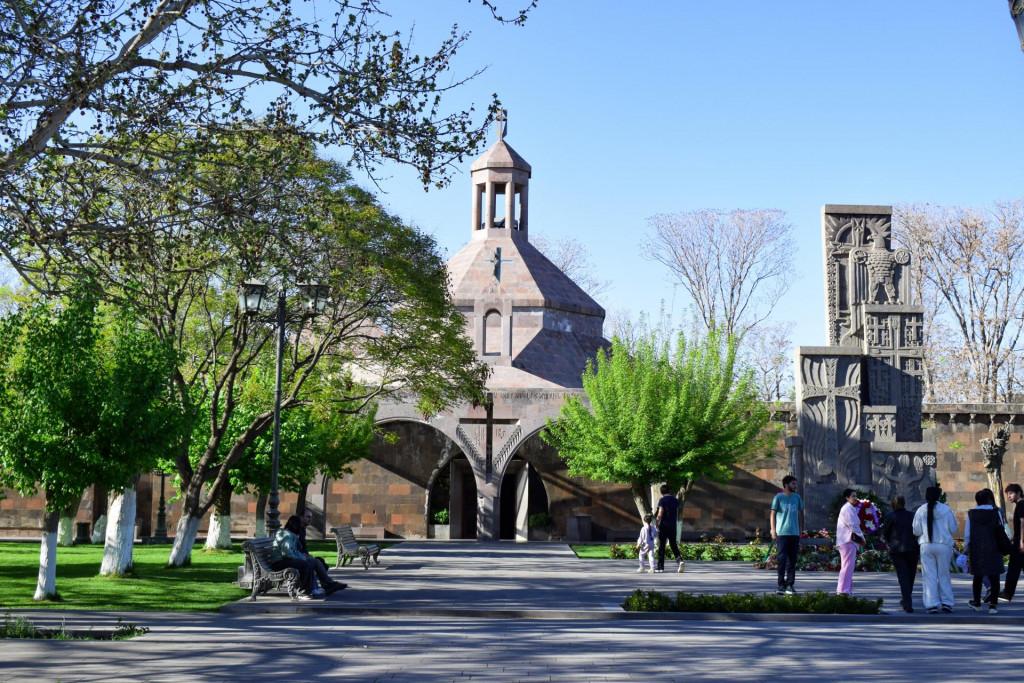
The Etchmiadzin Cathedral is the mother church of the Armenian Apostolic Church, located in Armenia, in a city known by the dual names of Etchmiadzin and Vagharshapat. It was built at the turn of the 4th century and is generally considered the first cathedral built in ancient Armenia, and is also often considered the oldest cathedral in the world.
The original Church of Etchmiadzin was built in the early fourth century—traditionally between 301 and 303—by Gregory the Illuminator, the patron saint of Armenia, after King Thradat III had declared Christianity the state religion. The church was built on the site of a pagan temple, symbolizing the conversion from paganism to Christianity. The core of the current structure was built in 483–484 by Vahan Mamikonian (brother of Vardan Mamikonian), after the cathedral was severely damaged during the Persian invasion. From its founding until the second half of the fifth century, Etchmiadzin served as the residence of the supreme leader of the Armenian Church, the Catholicos.
Although the cathedral never lost its significance, it was practically abandoned and neglected over the following centuries. In 1441, it was restored to its Catholicosate status, and it remains so to this day. Since then, the Mother See of Holy Etchmiadzin has been the administrative center of the Armenian Church. In 1604, Etchmiadzin was sacked by Shah Abbas I of Persia, when the holy relics and stones from the cathedral were taken to New Julfa, in order to weaken the attachment of the Armenians to their land. Since then, the cathedral has undergone several restorations. In the second half of the seventeenth century, bell towers were added, and in 1868, at the eastern end of the cathedral, a sacristy (museum and room for storing holy relics) was built. Today, it combines the styles of different periods of Armenian architecture. Weakened during the early Soviet period, Echmiadzin was revived in the second half of the twentieth century and under the conditions of independent Armenia.
For most of its history, the complex surrounding the cathedral, which includes the residence of the Catholicos (Patriarch), was known as the Echmiadzin Monastery. In the past, it was surrounded by 30-foot (9.1 m) high walls of brick or adobe and had eight circular towers. Due to its external appearance, 19th-century visitors often compared it to a fortress. The walled monastery, which was a vast rectangular area, was entered through four gates.
Armenian church tradition dates the temple's foundation to between 301 and 303 AD. It was built near the royal palace in the then capital of Armenia, Vagharshapat. Although no historical sources indicate the existence of a pre-Christian cult structure on its site, archaeological excavations in the 1950s under the main altar revealed an Urartian granite stele dating to the 8th-6th centuries BC, indicating the existence of a temple. An amphora was also found under the altar, which was considered part of a fire-worshiping (Zoroastrian) temple.
Agathangelos in his work “History of Armenia” tells us the legend of the founding of the church. The patron saint of Armenia, Gregory the Illuminator, had a divine vision in which he saw Jesus Christ descending from heaven, striking the ground with a golden hammer to mark the place where the church was to be built. Later, this vision was associated with the figure of Jesus Christ, from which the name “Echmiadzin” (Echmiadzin – “to descend” + Mi – “only” + -a- -a- (connecting element) + Նոնտության – “born”) originated, which translates as “the descent of the only-begotten (Son of God)”. However, the name “Echmiadzin” was not used until the 15th century, and earlier sources referred to it as “Vangarshapat Cathedral”. The Armenian Church celebrates the feast of the Holy Etchmiadzin Cathedral on the 64th day after Easter; at this time, a hymn written by the 8th-century Catholicos Sahak III, describing the vision of Saint Gregory, is completed.
The city of Vangarshapat and the cathedral were almost completely destroyed during the invasion of the Sassanid king Shapur II, around 363. Due to the unfavorable economic conditions of Armenia, the cathedral was only partially repaired by the Catholicos Nerses the Great (reigned 353–373) and Sahak Parthiv (reigned 387–439). After Armenia was divided between the Roman and Sassanid empires in 387, Etchmiadzin found itself in the eastern part of the Persian-controlled territory, under the rule of Armenian vassal kings until 428, when the Kingdom of Armenia was finally abolished. In 450, in an attempt to convert the Armenians to Zoroastrianism, the Sassanid king Yazdigerd II built a fire-worshiping altar inside the cathedral. Traces of this fire altar were discovered under the altar of the eastern apse during excavations in the 1950s.
The last known restorations before the 15th century were carried out by Catholicos Komitas in 618 (according to Sebeos) and Catholicos Nerses III (reigned 640–661). In 982, the Arab Amira reportedly removed the cross from the temple.
From revival to plunder
After the fall of the Armenian Kingdom of Cilicia in 1375, the See of Sisi experienced decline and chaos. The Catholicos of Akhtamar and the locally influential bishops of Syunik increased the importance of the surroundings of Etchmiadzin. In 1441, a church council of several hundred clergy gathered in Etchmiadzin, which voted to restore the Catholicosate there. The cathedral was rebuilt by Catholicos Kirakos (Kyriake) in 1441–1443. At that time, Etchmiadzin was under the control of the Turkish Kara-Koyunlu state, and in 1502, Safavid Iran gained control of part of Armenia, including Etchmiadzin, and granted certain privileges to the Armenian Church.
In the 16th and 17th centuries, Armenia suffered greatly due to its location at the epicenter of conflicts between Persia and Ottoman Turkey. As part of Shah Abbas I's "scorched earth" policy during his war with the Ottoman Empire, Echmiadzin was sacked in 1604, along with the deportation of up to 350,000 Armenians to Persia.
The Shah wanted to "destroy the Armenians' hopes of returning to their homeland" by moving their religious center to Iran, in order to ensure a strong Armenian presence in Persia. He wanted to demolish the cathedral and physically move it to the newly founded Armenian community of New Julfa near Isfahan (the royal capital). Shah Abbas even offered the Pope a new cathedral to be built in New Julfa. Etchmiadzin was not moved, perhaps due to the great expense. In the end, only a few important stones were moved to New Julfa—the altar, the stone on which, according to tradition, Jesus Christ descended, and the most sacred relic of the Armenian Church, the right arm of Gregory the Illuminator. They were placed in the local Armenian Church of Saint George when it was built in 1611. Fifteen stones taken from Etchmiadzin remain in the Church of Saint George to this day.
17th–18th centuries
Since 1627, the temple has undergone a major restoration during the reign of Catholicos Movses (Moses), when the dome, ceiling, roof, foundation and floor were repaired. At that time, monks' cells, a guest house and other buildings were built around the temple. In addition, a fence was built around the temple, which gave the complex the appearance of a fortress. The renovation of Etchmiadzin continued into the 18th century.
Russian rule
The Russian Empire gradually expanded into Transcaucasia by the early 19th century. The Persian Khanate of Yerevan, in which Echmiadzin was located, became an important target for the Russians. In June 1804, during the Russo-Persian War (1804–1813), Russian troops under the command of General Pavel Tsitsianov attempted to capture Echmiadzin, but failed. A few days after the attempt, the Russians returned to Echmiadzin, where they unexpectedly attacked and defeated other Persian forces. Tsitsianov's troops entered Echmiadzin, which, according to Auguste Bontemps-Lefort, the French military envoy to Persia at the time, they plundered and seriously damaged Armenian religious buildings. The Russians were soon forced to retreat, as the Persians successfully defended Yerevan. According to Bontem-Lefort, the behavior of the Russians in Echmiadzin differed sharply from that of the Persian Shah, who treated the local Christian population with respect.
On April 13, 1827, during the Russo-Persian War (1826–1828), Echmiadzin was captured without a fight by the troops of Russian general Ivan Paskevich, and it was formally annexed to Russia along with the Persian-controlled parts of Armenia (roughly corresponding to the territory of the modern Republic of Armenia, also known as Eastern Armenia).
The temple flourished under Russian rule, despite the Russian Empire's suspicions that Etchmiadzin might become a "potential center of Armenian nationalist sentiment." Officially, Etchmiadzin became the religious center of Armenians living within the Russian Empire.
20th century and beyond
During the Armenian Genocide, the Echmiadzin Cathedral and its surroundings became the main center for Armenian refugees from Turkey. By the end of 1918, there were approximately 70,000 refugees in the Echmiadzin district. A hospital and orphanage were established on the territory of the cathedral, which by 1919 were maintained by the American organization Near East Relief.
During the Great Purge and the radical state atheist policy of the late 1930s, the cathedral was "an institution under siege, as a campaign was underway to eradicate religion". The repressions reached their peak when in April 1938 the Catholicos Khoren I was assassinated by the NKVD. In August 1938, the authorities of Soviet Armenia officially decided to close Etchmiadzin, turn it into a museum, and permanently ban the election of a new Catholicos. However, the leader of Soviet Armenia, Grigory Arutinov, forwarded this decision to Stalin for central confirmation, noting that Etchmiadzin had international weight and could not be treated as a purely local matter. Within a month, Stalin personally contacted Arutinov and asked if he still insisted on closing the Catholicos. Arutinov replied that he did not request it, and the matter was closed. The Soviet leadership viewed the Catholicosate primarily as an instrument for influencing the Armenian diaspora. Isolated from the outside world, the cathedral barely continued to function, and its administration was reduced to twenty people. It was reportedly the only church in Soviet Armenia that the communist government had not seized. The dissident, anti-Soviet Armenian Diocese in the United States wrote that “the great cathedral had become an empty monument.”
Soviet period: revival
Echmiadzin gradually regained its religious significance during World War II. The official journal of the Holy See resumed publication in 1944, and the seminary was reopened in September 1945.
The latest restoration of the cathedral began in 2012 and was mainly aimed at strengthening and restoring the dome and roof. Its grand opening took place on 29 September 2024, attended by high-ranking officials, including Prime Minister Nikol Pashinyan. Major benefactors, including diaspora billionaires Nubar Afeyan and Samvel Karapetyan, who financed the restoration, were awarded by Catholicos Garegin II.
The initial goal was to restore the external structure, primarily by repairing the roof tiles, but serious problems were later discovered with the physical condition of the church. Critical structural elements, including columns, arches, the dome, and the vaults, were found to be severely damaged. The restoration work used high-quality materials such as grouts, waterproofing materials, and cast iron, most of which were imported from Italy. In addition, the frescoes and painted surfaces, which cover 2,600 square meters, were carefully restored. Its 17th-century cross, made of thin brass plates and in a deplorable state, was replaced with a bronze cross that exactly replicates its style and size.
Architecture
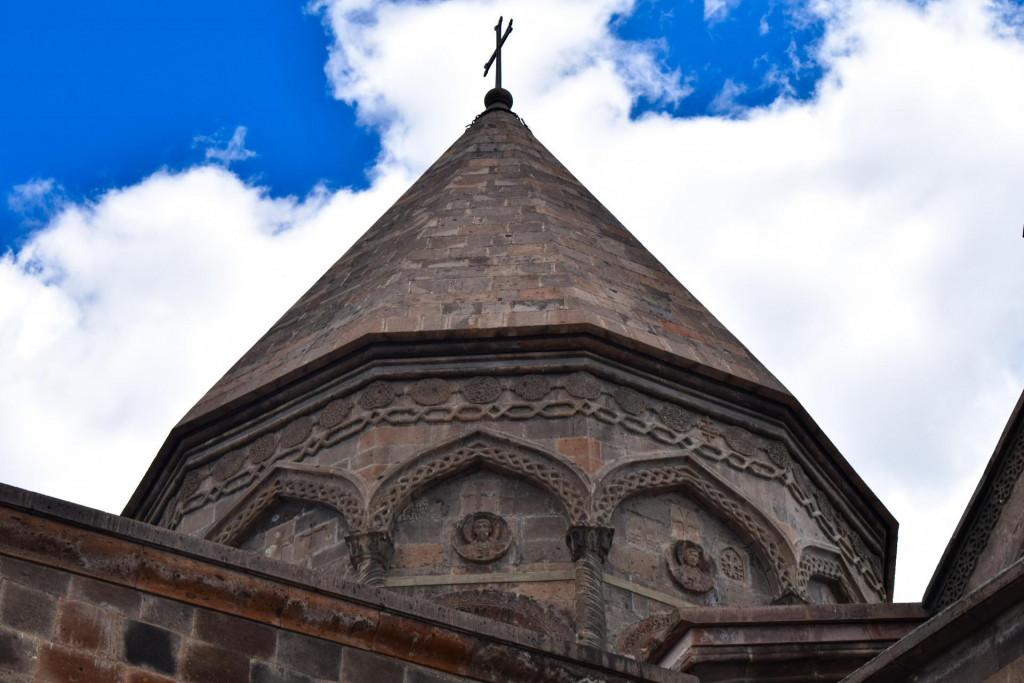
Etchmiadzin has a cruciform plan, four free-standing towers, and four projecting apses, which are semicircular on the inside and polygonal on the outside. Its roof is mostly flat, except for a distinctive central dome, which has a conical roof on a polygonal dome, typical of Armenian architecture, and four small bell towers that are placed on top of the apses.
Although the cathedral has been renovated many times over the centuries, and significant additions were made in the 17th and 19th centuries, it largely retains the appearance of the building built in 483-484, especially the floor plan.

Our guides are ready to help you on this trip


Help other travelers use your experience.
Review this destination, share your thoughts, impressions, pros and cons.
Let's make traveling easier than ever.
 LOGIN WITH GOOGLE
Please login to ask a question
Ask a Question