
 GEO
GEO  ENG
ENG  RUS
RUS 

Tour to Mount Kazbek (Mkinvartsveri)
Adventure Tour
დაამატეთ თქვენი რესტორანი Georgian Travel Guide-ზე — მიიღეთ ონლაინ ჯავშნები წინასწარი გადახდით და გახდით ხილული ყოველთვიურად 100 000-ზე მეტი მოგზაურისთვის.

განათავსეთ საკუთარი კოტეჯი / სასტუმრო ჩვენს პლატფორმაზე და გააცანით თქვენი მომსახურება 100 000-ზე მეტ მოგზაურს.

დაამატეთ თქვენი ავტომობილი Georgian Travel Guide-ზე და გახდით ხილული ყოველთვიურად 100 000-ზე მეტი მოგზაურისთვის.
ხარ გიდი? დაამატე შენი პროფილი Georgian Travel Guide-ზე და დაუკავშირდი მოგზაურებს პირდაპირ — შუამავალი კომპანიებისა და საკომისიოს გარეშე.
იცნობთ ადგილს, რომელიც რუკაზე ჯერ არავის დაუტანია? დაამატეთ ის Georgian Travel Guide-ზე უფასოდ და გააცანით ათასობით მოგზაურს. გაიცანი და გააცანი #უცნობისაქართველო

განათავსეთ თქვენი ტურები და აქტივობები Georgian Travel Guide-ზე და გააცანით ისინი ყოველთვიურად 100 000-ზე მეტ მოგზაურს, რომლებიც სწორედ ახლა გეგმავენ მოგზაურობას საქართველოში.
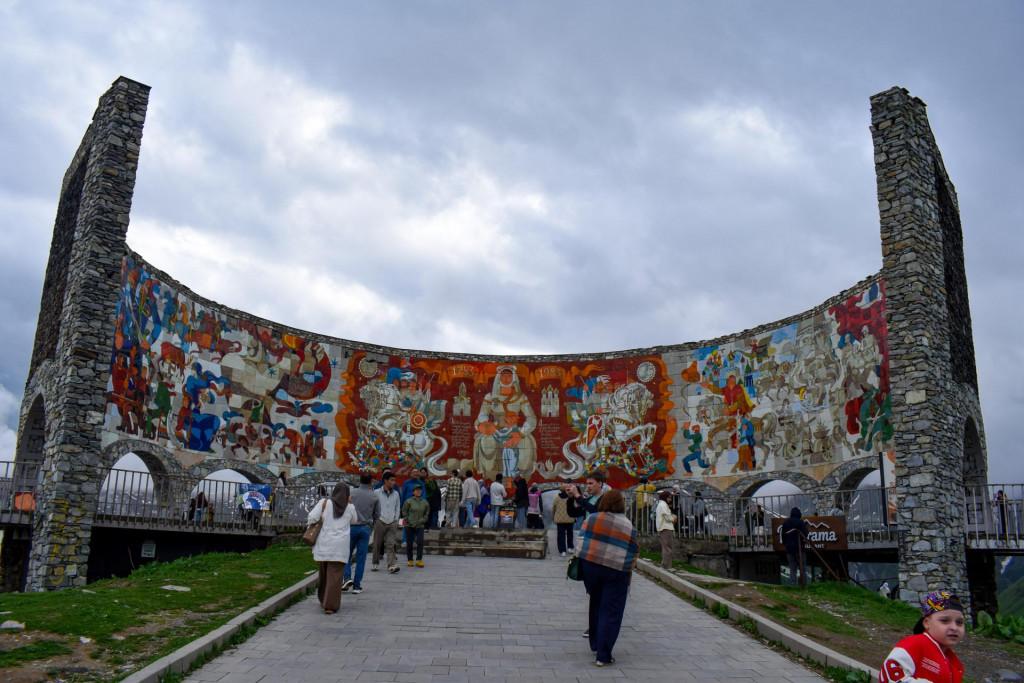
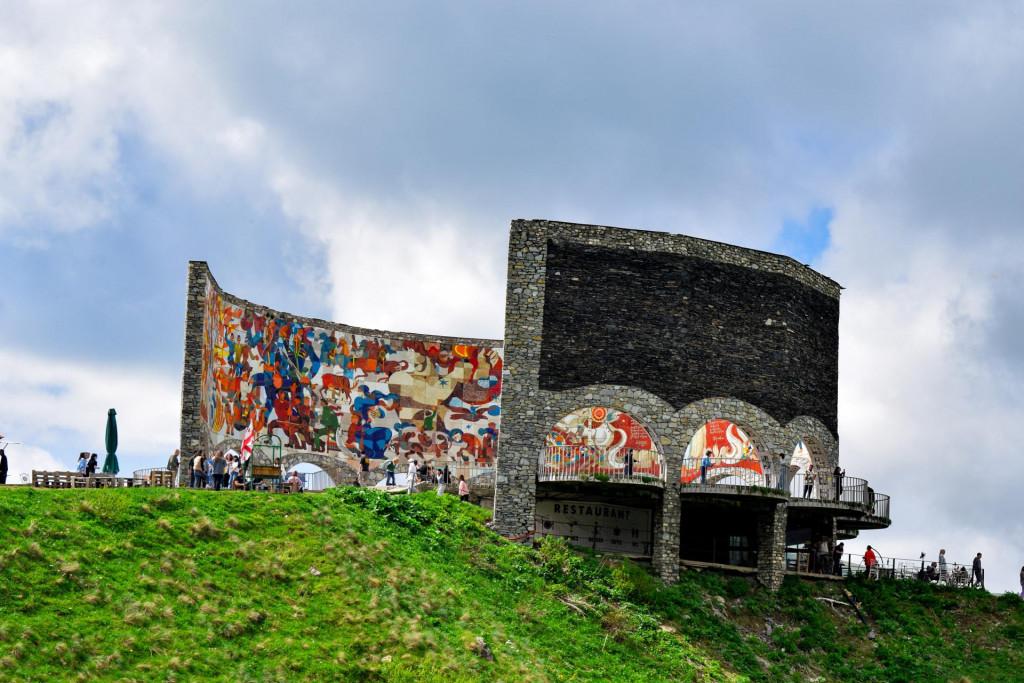
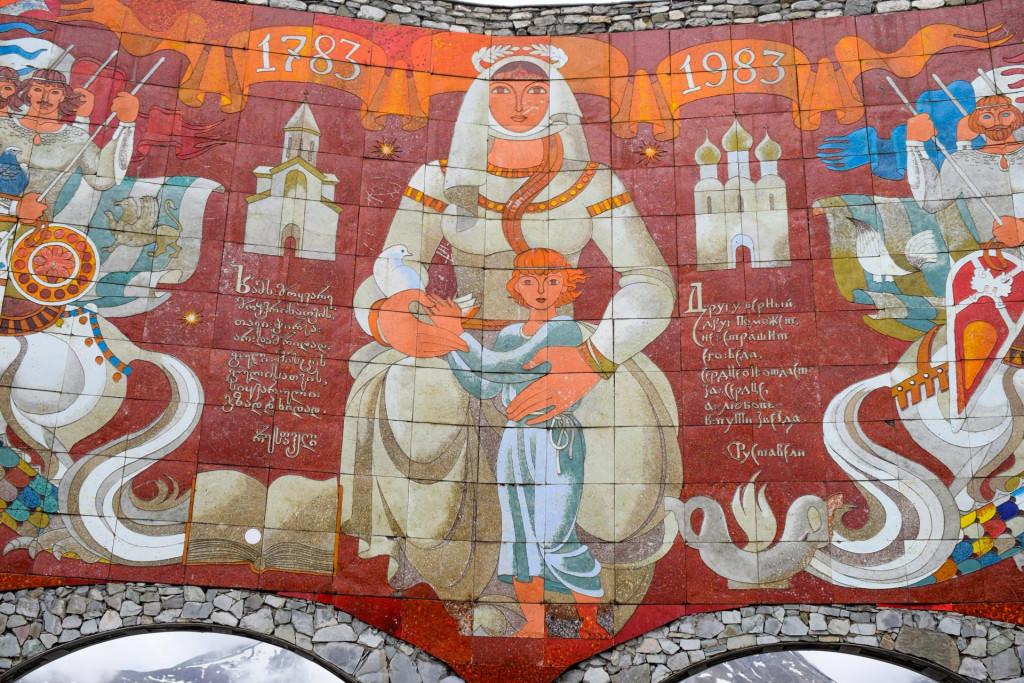
Gudauri Panorama, officially known as the "St. George's Treaty Memorial" or the "Arch of Friendship of Peoples", is located on the Georgian Military Road, at an altitude of 2,384 meters above sea level, near the Jvari Pass.
The history of its creation and architecture includes several interesting stages:
1. History of creation and ideological context
The monument was erected in 1983 to commemorate the 200th anniversary of the Treaty of Georgievsky, signed in 1783 between the Russian Empire and the Kingdom of Kartli-Kakheti. During the Soviet period, this date was specially celebrated as a symbol of the "centuries-old friendship" between the two countries.
It is interesting that a total of three monuments were created in connection with this anniversary:
The first one is this arch right near Gudauri.
The second is the "Friendship Forever" stele erected on Tishinskaya Square in Moscow.
The third is the “Knot of Friendship” erected at the entrance to Tbilisi, which depicted the scroll of the treaty and a golden knot (the latter was dismantled in 1991, after the restoration of independence, by order of Zviad Gamsakhurdia, as a symbol of Soviet/Russian influence).
2. Architecture and Design
The author of the monument project was the famous sculptor Zurab Tsereteli, and the architect was Giorgi Chakhava (who also owns the unique building of the Ministry of Roads, currently the central office of the Bank of Georgia, in Tbilisi).
Chakhava, a master of working with complex terrain, designed the monument directly on the edge of a cliff, on the edge of a precipice, from which a spectacular view of the “Devil’s Gorge” opens. The building is a semicircular, Soviet modernist and brutalist-style concrete and stone structure. The perimeter of the arch is covered with hanging balconies, which provide visitors with panoramic views of the gorge.
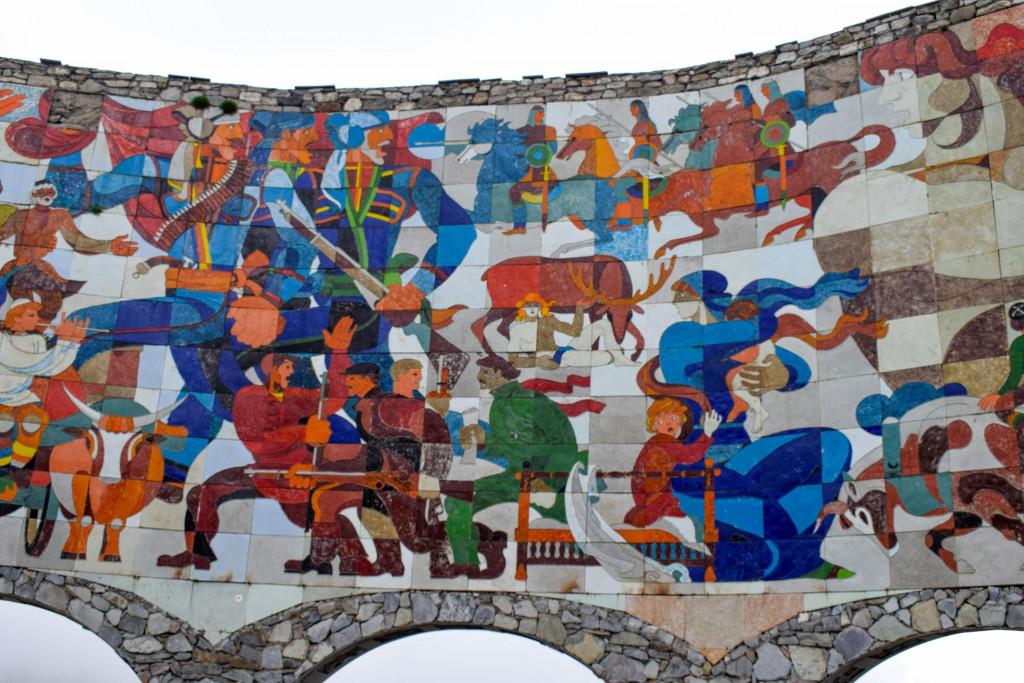
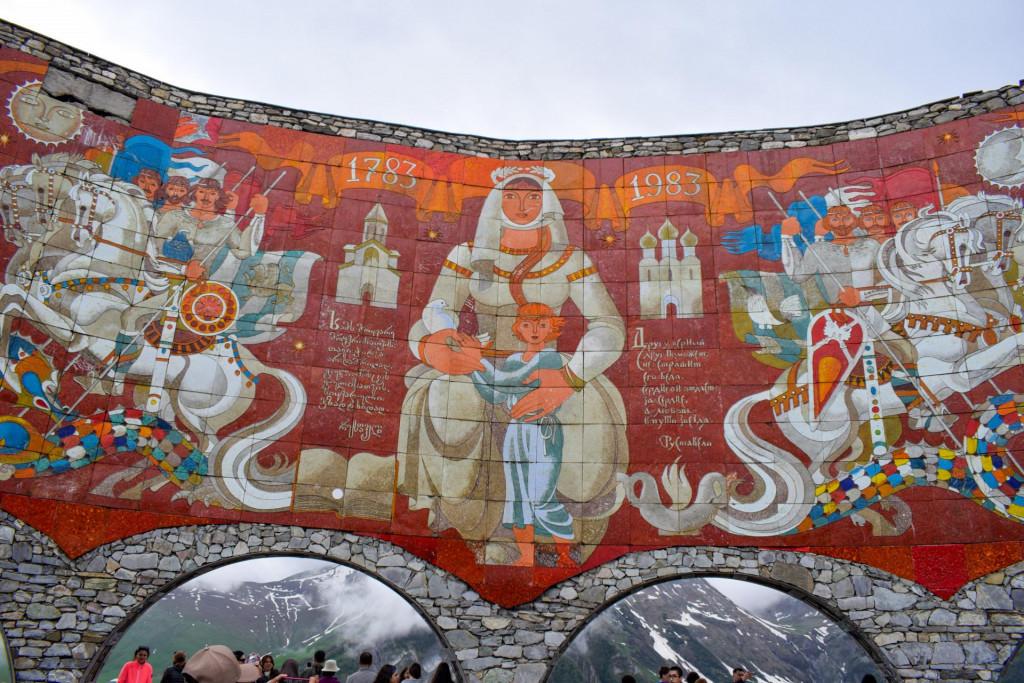
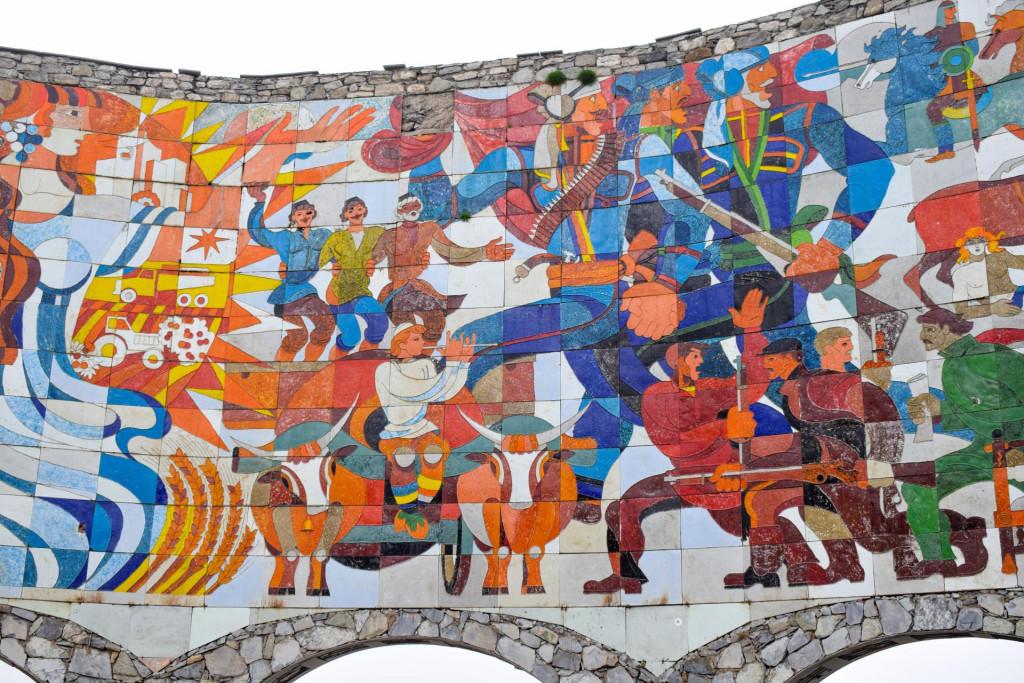
3. Mosaic. The interior wall of the building is completely covered with a colorful ceramic mosaic (fresco), created by artists Zurab Kapanadze, Zurab Lezhava, and Nodar Malazonia. The mosaic is divided into two parts:
The left side depicts scenes from Georgian history, culture, and mythology.
The right side presents motifs of Russian culture and history.
In the center is a mother and child, symbolizing future generations and peace.
Also inscribed on the wall in Georgian and Russian are Shota Rustaveli's immortal lines from "The Rider in the Tiger's Skin": "For a lover who loves his beloved, he does not spare his own troubles, he gives his heart for his heart, love is a path and a bridge."
4. Modernity
After the collapse of the Soviet Union and the aggravation of political relations between the two countries, the monument lost its original ideological significance. Today, it is no longer perceived as a political symbol — for tourists and locals, it has become a unique architectural monument, the best observation platform for enjoying the nature of the Caucasus, and one of the main locations for paragliding in Georgia. In 2018, the monument underwent a complete restoration, as a result of which the damaged mosaic was restored to its original form and the structure was strengthened.

Help other travelers use your experience.
Review this destination, share your thoughts, impressions, pros and cons.
Let's make traveling easier than ever.


 LOGIN WITH GOOGLE
Please login to ask a question
Ask a Question