
 GEO
 ENG
 RUS


Help other travelers use your experience.
Review this destination, share your thoughts, impressions, pros and cons.
Let's make traveling easier than ever.

განათავსეთ საკუთარი კოტეჯი / სასტუმრო ჩვენს პლატფორმაზე და გააცანით თქვენი მომსახურება 100 000-ზე მეტ მოგზაურს.

დაამატეთ თქვენი ავტომობილი Georgian Travel Guide-ზე და გახდით ხილული ყოველთვიურად 100 000-ზე მეტი მოგზაურისთვის.
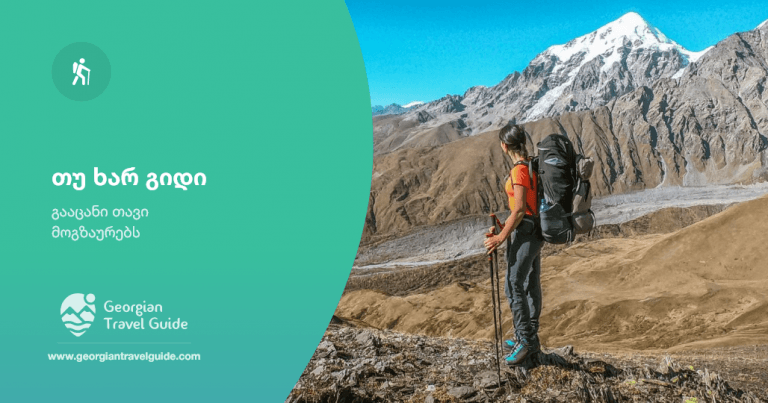
ხარ გიდი? დაამატე შენი პროფილი Georgian Travel Guide-ზე და დაუკავშირდი მოგზაურებს პირდაპირ — შუამავალი კომპანიებისა და საკომისიოს გარეშე.
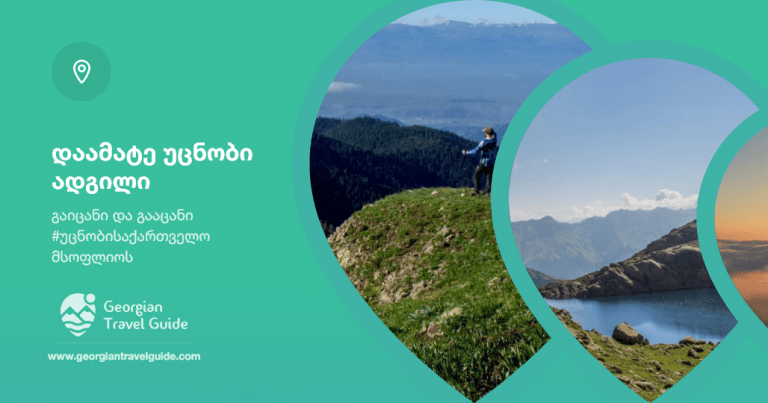
იცნობთ ადგილს, რომელიც რუკაზე ჯერ არავის დაუტანია? დაამატეთ ის Georgian Travel Guide-ზე უფასოდ და გააცანით ათასობით მოგზაურს. გაიცანი და გააცანი #უცნობისაქართველო
განათავსეთ თქვენი ტურები და აქტივობები Georgian Travel Guide-ზე და გააცანით ისინი ყოველთვიურად 100 000-ზე მეტ მოგზაურს, რომლებიც სწორედ ახლა გეგმავენ მოგზაურობას საქართველოში.


Lake Sevan lies about 1,900 metres above sea level in Armenia's Gegharkunik Province. The Caucasus's largest freshwater lake occupies a broad basin in the volcanic highlands. Its shores, mountain views and Sevanavank Monastery bring natural scenery and cultural heritage together in one itinerary.
The lake covers approximately 1,200 km². Descriptive figures give an average depth of 28.5 metres and a maximum of 83 metres; these measurements vary with the water level. The Pambak Range lies to the northwest, the Shahdag Range to the northeast, and the Gegham and Vardenis ranges to the west and south.
Occupying the centre of an intermontane tectonic basin, the lake is divided by two opposing promontories into Little Sevan in the northwest and Great Sevan in the southeast. A rocky island in Little Sevan became a peninsula as the water level fell. It carries the ninth-century Sevanavank monastery.
Twenty-eight small rivers flow into Sevan, while the Hrazdan flows out. Surface runoff is its principal water source, with approximately 727 million m³ a year quoted in hydrological descriptions. Reference surface temperatures are 17–19°C in July–August and 1.5–1.8°C in January–February. These are general figures, not conditions for a particular day. The lake can freeze completely during exceptionally cold winters.
Rich in fish, the lake is central to Sevan National Park. The town of Sevan also stands on its shores. Water from the lake and the Hrazdan supplies a cascade of hydroelectric plants, while the Arpa–Sevan tunnel brings in water from the Arpa River. Water management has substantially altered the shoreline and the monastery's setting.
The Armenian name is Սևանա լիճ. Other names include Gokcha and Gogcha, associated with the Turkic expression for “blue water.” Georgian sources call it Lake Gelakuni or the Sea of Gelakuni. It also appears in Georgian literature, including Alexander Chavchavadze's poem “Gogcha.”
For a first visit, combine time beside the water with a walk up the peninsula. At this elevation, weather can differ noticeably from Yerevan. Back in the capital, the Yerevan Cascade makes a separate city walk to complement your lakeside trip.
Our guides are ready to help you on this trip


Help other travelers use your experience.
Review this destination, share your thoughts, impressions, pros and cons.
Let's make traveling easier than ever.
 LOGIN WITH GOOGLE
Please login to ask a question
Ask a Question