
 GEO
 ENG
 RUS

Help other travelers use your experience.
Review this destination, share your thoughts, impressions, pros and cons.
Let's make traveling easier than ever.

განათავსეთ საკუთარი კოტეჯი / სასტუმრო ჩვენს პლატფორმაზე და გააცანით თქვენი მომსახურება 100 000-ზე მეტ მოგზაურს.

დაამატეთ თქვენი ავტომობილი Georgian Travel Guide-ზე და გახდით ხილული ყოველთვიურად 100 000-ზე მეტი მოგზაურისთვის.
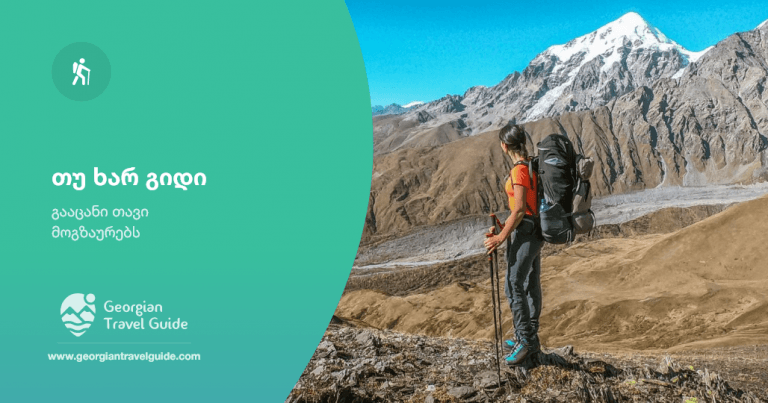
ხარ გიდი? დაამატე შენი პროფილი Georgian Travel Guide-ზე და დაუკავშირდი მოგზაურებს პირდაპირ — შუამავალი კომპანიებისა და საკომისიოს გარეშე.
იცნობთ ადგილს, რომელიც რუკაზე ჯერ არავის დაუტანია? დაამატეთ ის Georgian Travel Guide-ზე უფასოდ და გააცანით ათასობით მოგზაურს. გაიცანი და გააცანი #უცნობისაქართველო

განათავსეთ თქვენი ტურები და აქტივობები Georgian Travel Guide-ზე და გააცანით ისინი ყოველთვიურად 100 000-ზე მეტ მოგზაურს, რომლებიც სწორედ ახლა გეგმავენ მოგზაურობას საქართველოში.
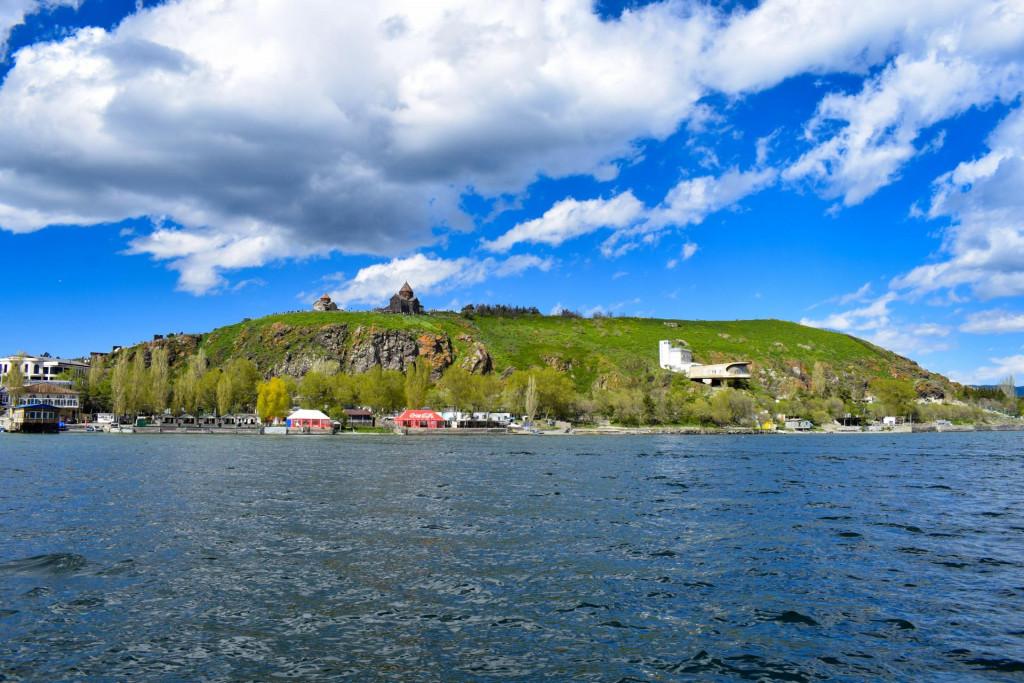
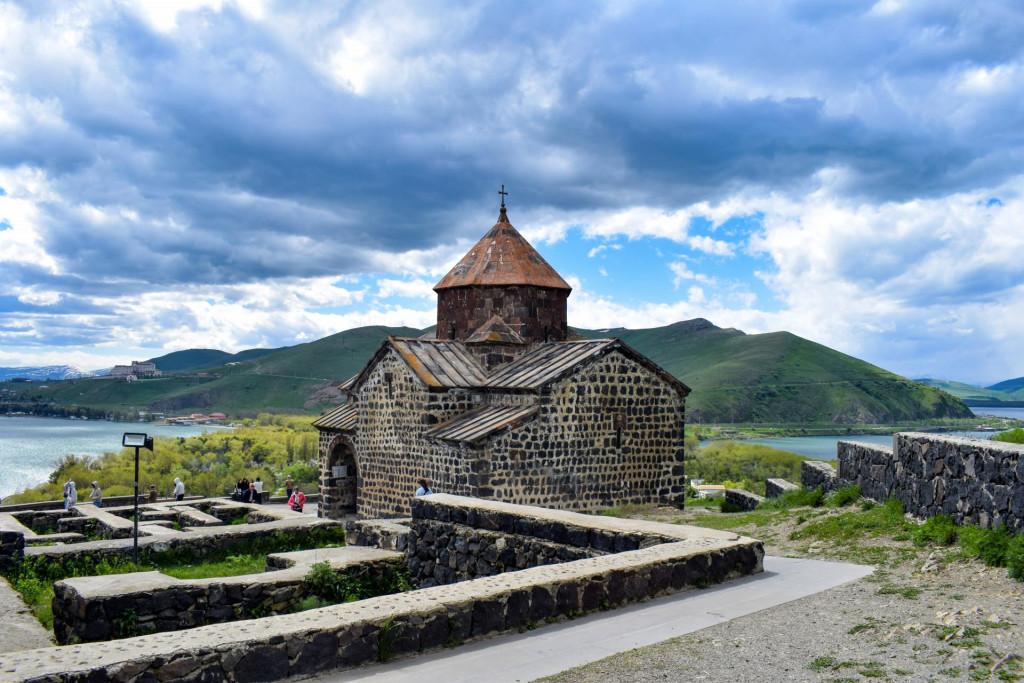
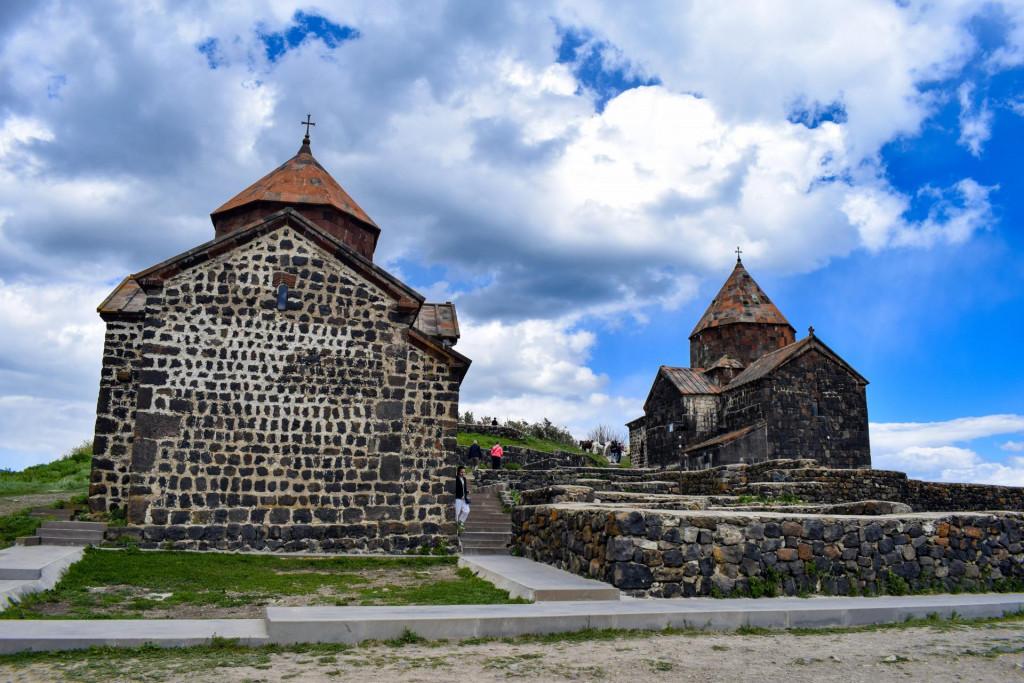
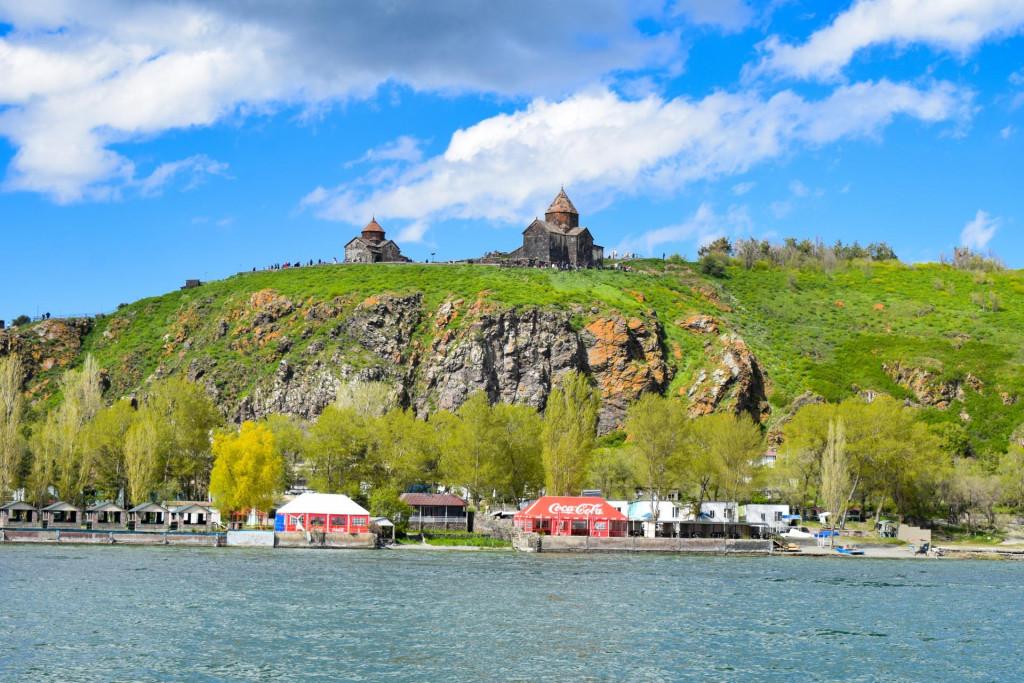
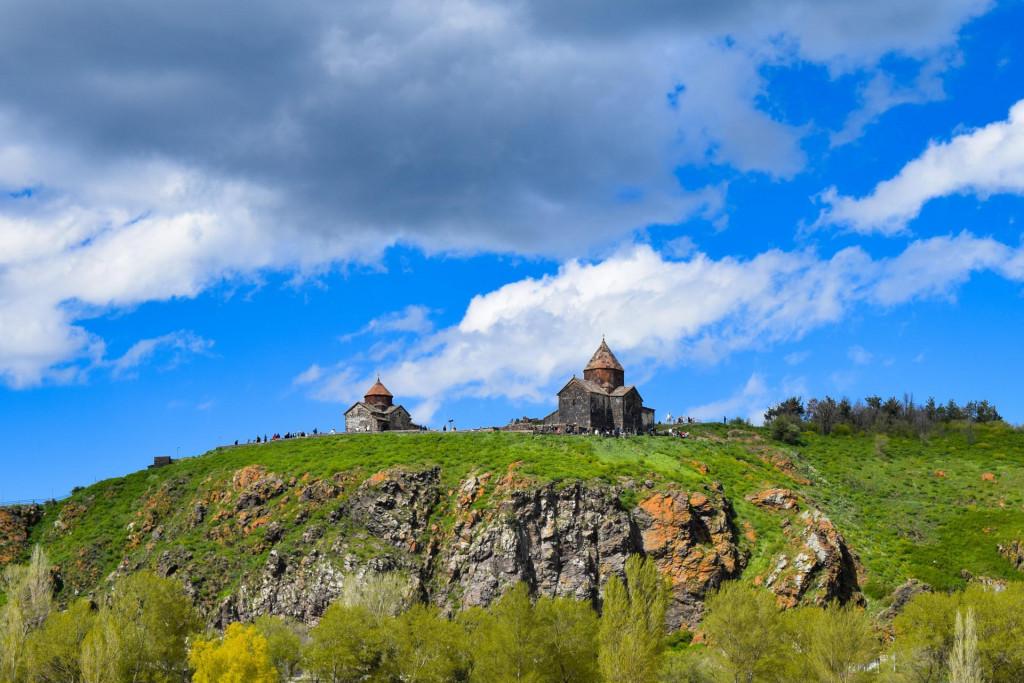
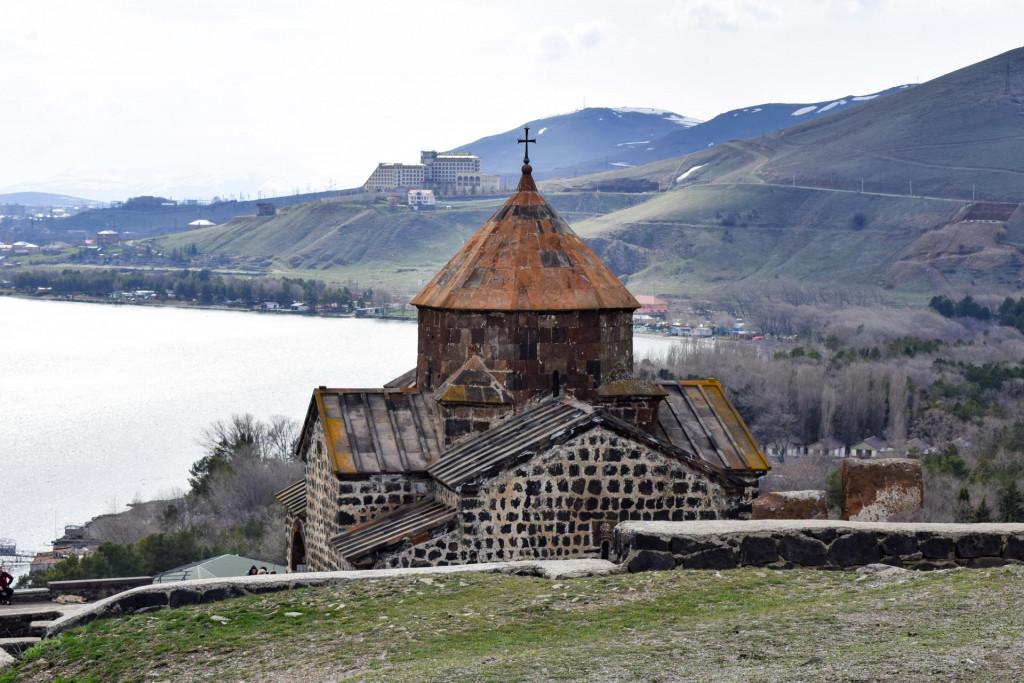
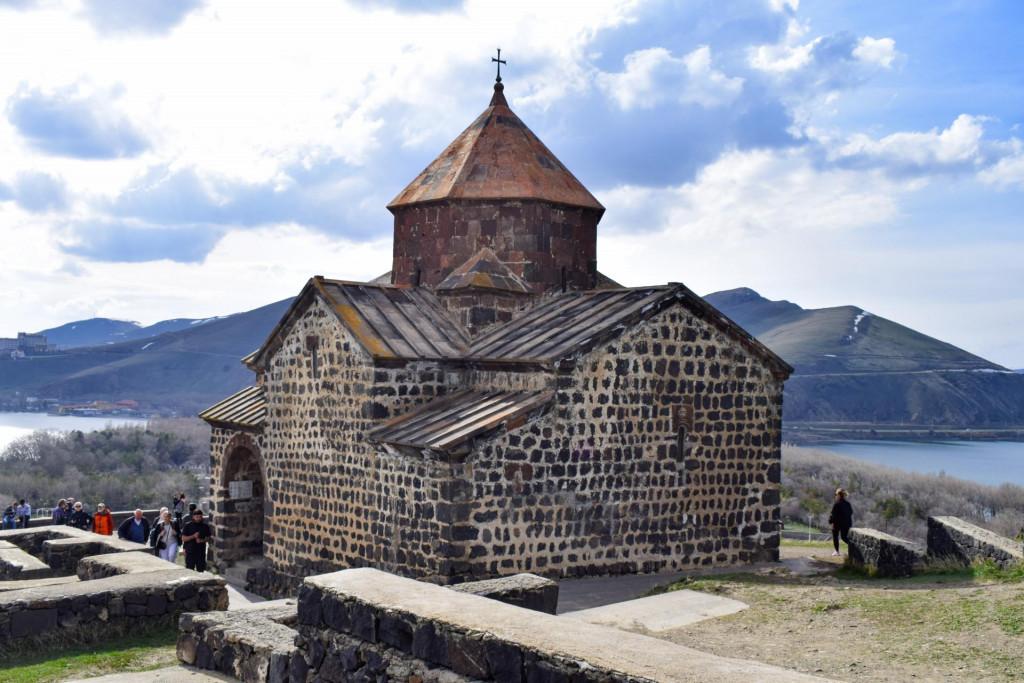
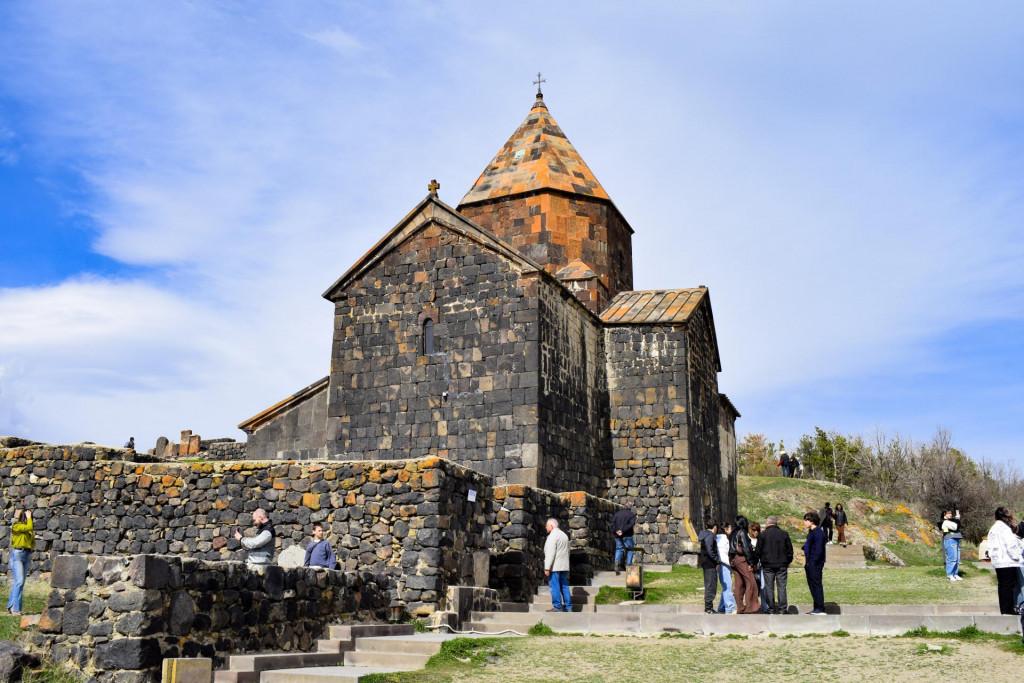
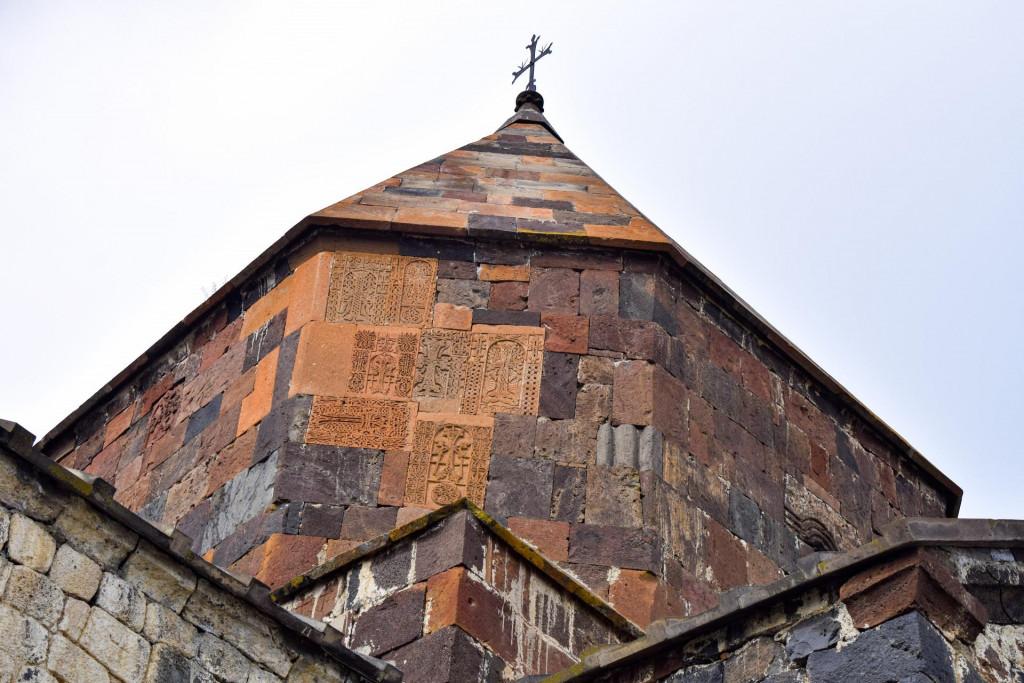
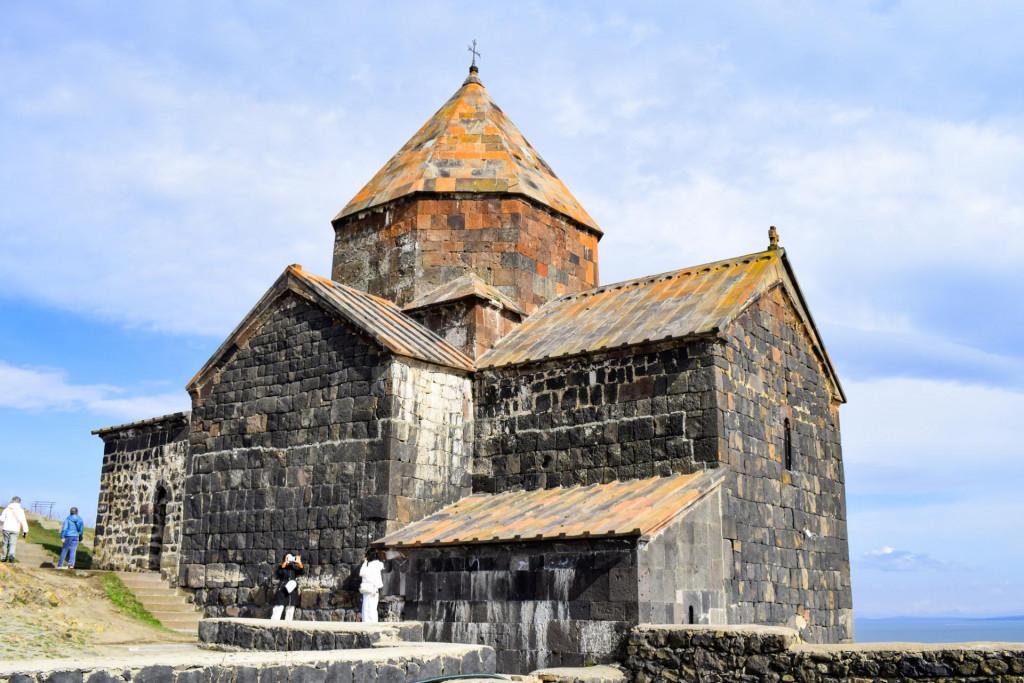
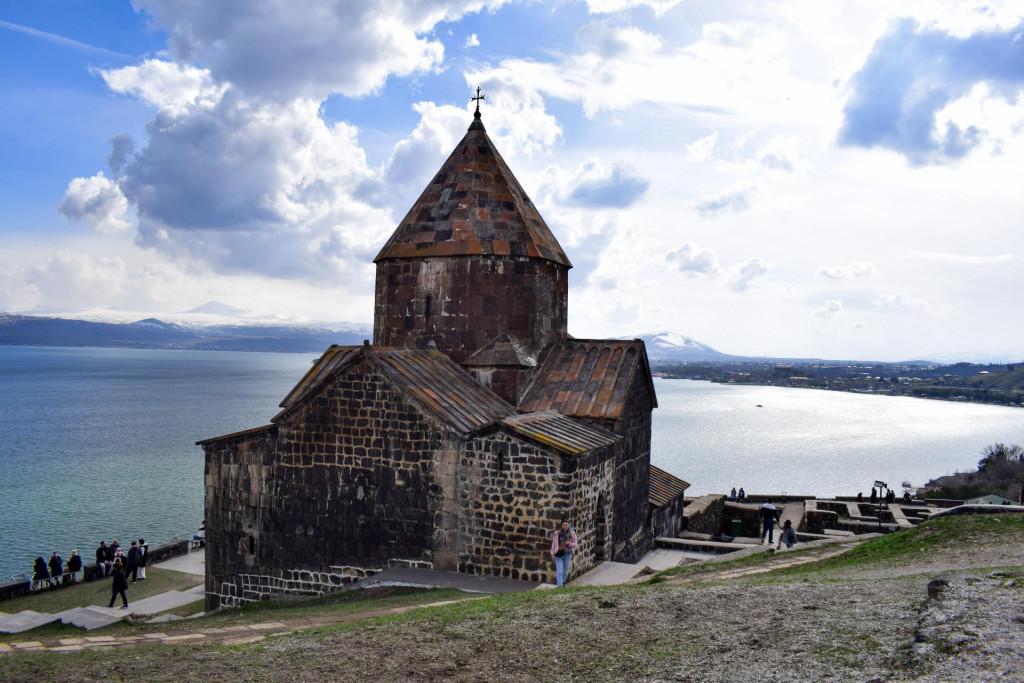
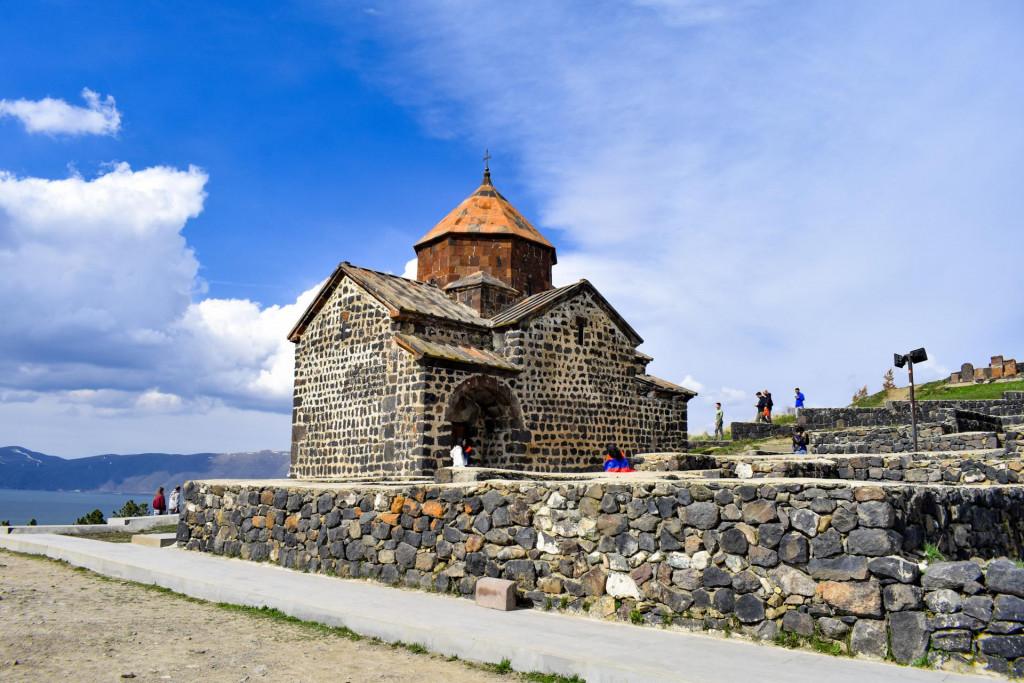
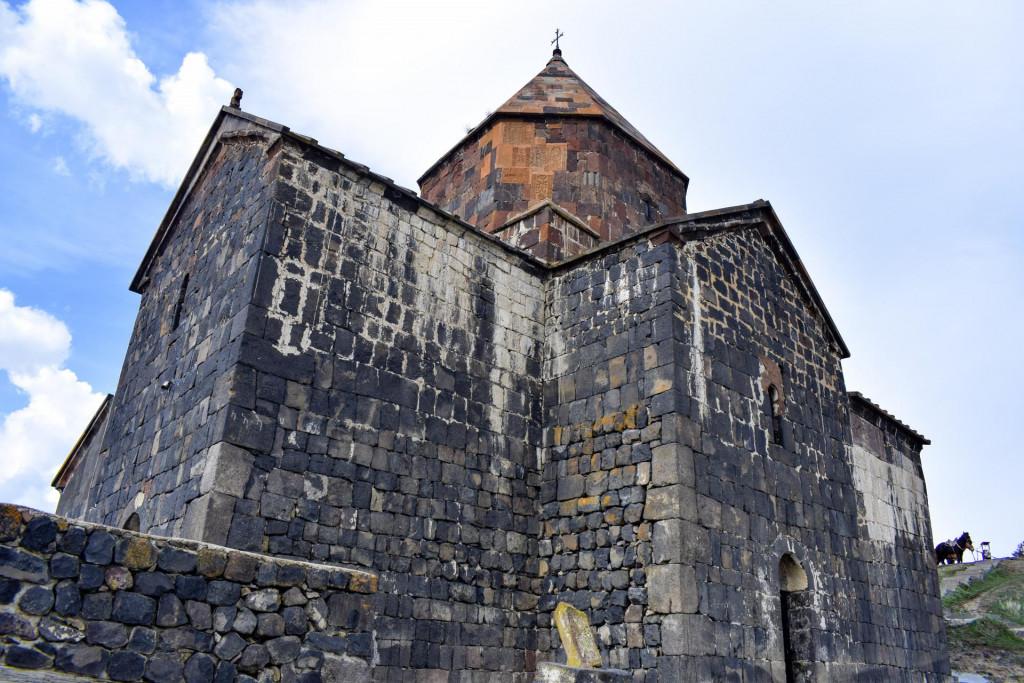
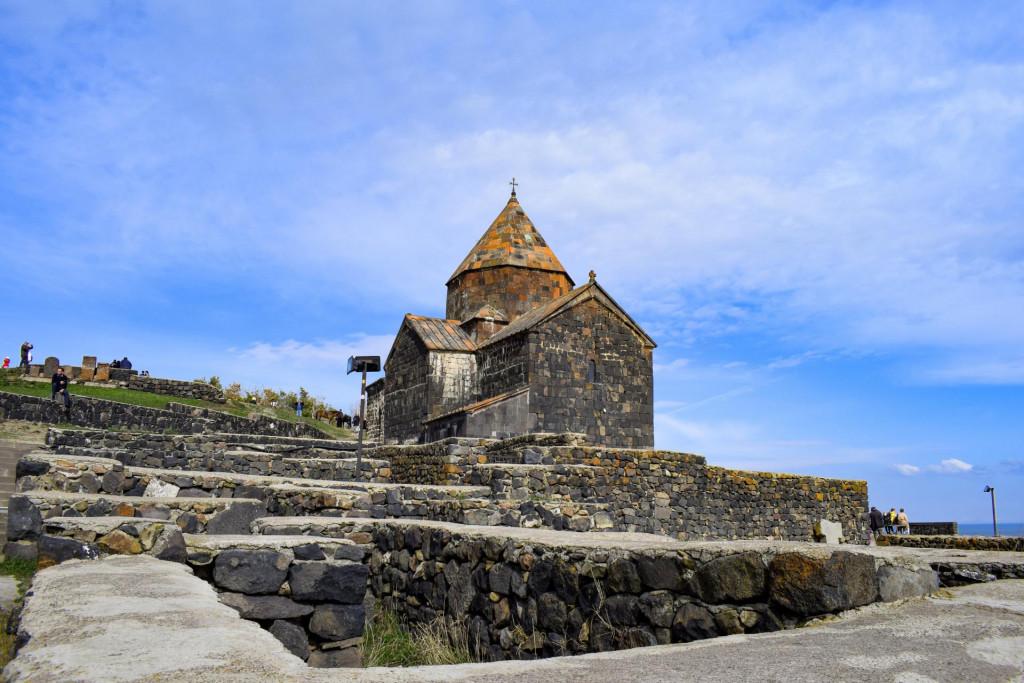
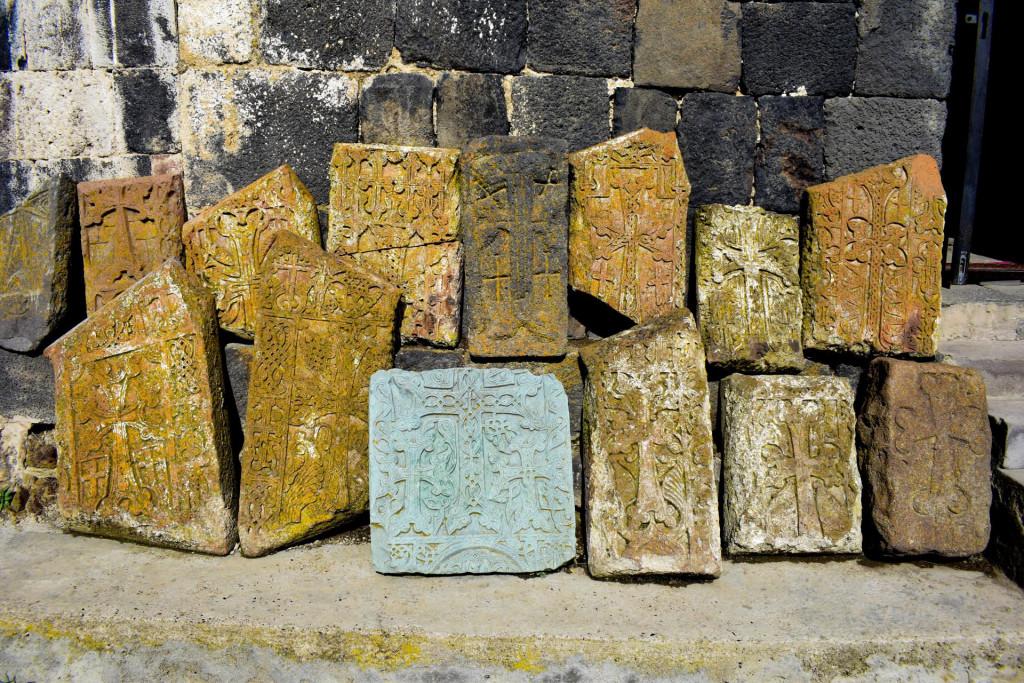
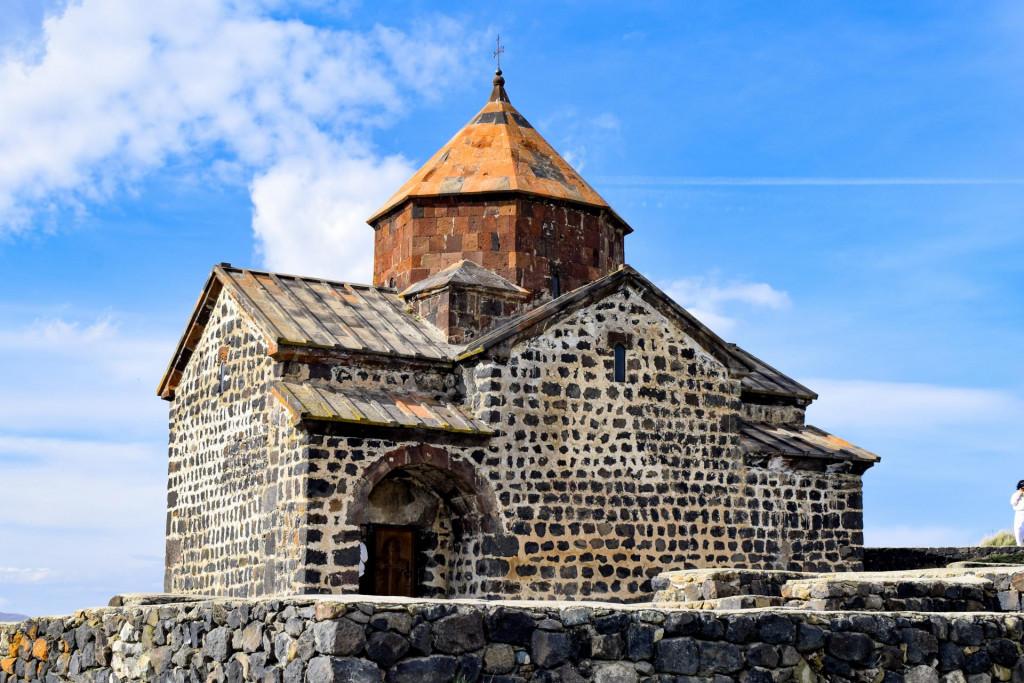
Sevan Monastery, or Sevanavank, occupies a peninsula on the northwestern shore of Lake Sevan, near the town of Sevan in Armenia's Gegharkunik Province. Its Armenian name, Սևանավանք, means “Monastery of Sevan.” Two stone churches and wide views across the water define a visit.
According to an inscription on one of the churches, Princess Mariam, daughter of Ashot I, founded the monastery in 874. Ashot became king roughly a decade later, at a time when Armenia was still seeking freedom from Arab rule.
The monastery historically followed strict discipline and received monks sent from Etchmiadzin for disciplinary reasons. Jean-Marie Chopin, who visited in 1830, described prohibitions on meat and wine and restrictions on admitting young people and women. These are historical accounts, not present-day visitor rules. Another traveller in 1850 noted the continuing practice of copying manuscripts by hand.
The monastery originally stood on the southern side of a small island. Artificial lowering of the lake, begun in the Stalin era, reduced the water level by about 20 metres and joined the island to the mainland. This changed its former island scenery but made access easier.
The Armenian Writers' Union built a retreat on the peninsula's southern shore; the eastern side is associated with the presidential summer residence. The active theological seminary moved into newer buildings on the northern shore. Road and rail connections with Yerevan, tourism facilities in Sevan and the lakeside setting helped make the monastery a popular destination.
The two similar churches, Surp Arakelots, or Holy Apostles, and Surp Astvatsatsin, or Holy Mother of God, have cross-domed plans and octagonal drums. Beside them are the remains of a gavit, an entrance hall characteristic of Armenian church architecture. Its roof originally rested on six wooden columns; some elements of the gavit and its columns are preserved in the Yerevan History Museum.
Restoration took place in 1956–1957. As you explore, notice the relationship between the two churches and the rocky peninsula on which they stand.
The approach from the shore includes an uphill walk. Allow time for the lake views and remain quiet during services. If travelling by train, check the current timetable before setting out.
A wider journey through Armenia's monasteries can also include Geghard Monastery and Etchmiadzin Cathedral. Both require separate journeys rather than short walks from the lake.
Our guides are ready to help you on this trip


Help other travelers use your experience.
Review this destination, share your thoughts, impressions, pros and cons.
Let's make traveling easier than ever.
 LOGIN WITH GOOGLE
Please login to ask a question
Ask a Question