Tea Cultural Route and Tea Tours in Georgia
Tea is a product with great culture and traditions, towards which many countries have special feelings and attitudes. The route tells us about the history of tea culture in Georgia.
According to historical sources, tea appeared in Georgia in 1770, when Catherine II presented Erekle II with a samovar and tea utensils. There is an assumption that the first tea bush, for decorative purposes, was planted in the yard of Gurieli himself in 1809.
The cultivation of tea bushes for agricultural purposes began in 1847, when tea seedlings were transplanted to Ozurgeti for acclimatization. The history of industrial tea production in Georgia begins in 1893, when the plantations were financed by Alexander Popov. The plantations were organized with the help of Chinese specialist Lao Jin Zhao.
In 1900, Georgian tea received an award for the best quality at the Paris Exhibition. In 1963, the first tea-picking tractor was created in Georgia, and during the Soviet period, Georgia was one of the largest producers in the world. Since 2015, the development of the tea sector has resumed, and new producers have appeared in tea-growing regions.
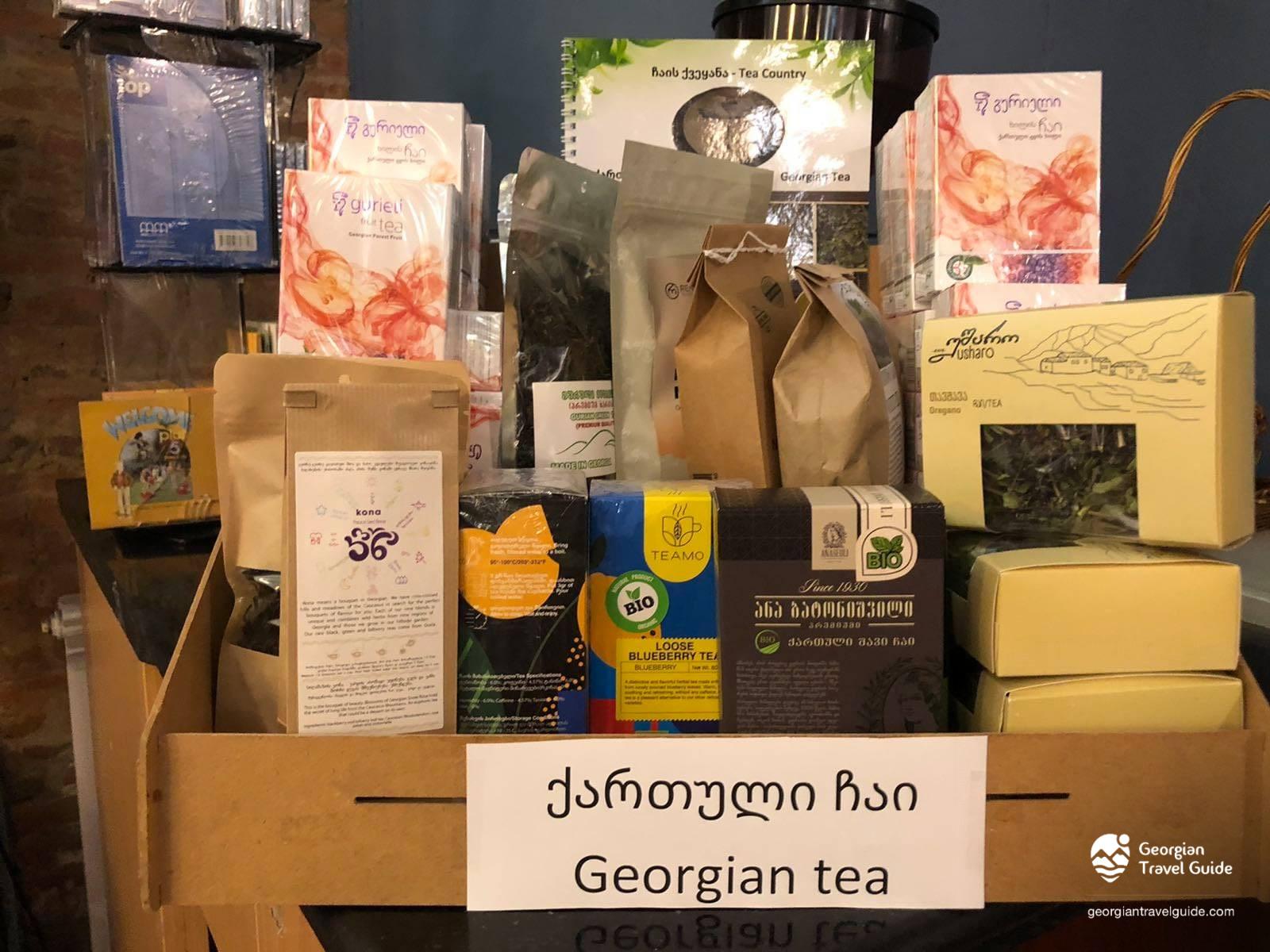
The advantage of Georgian tea compared to tea from other countries is that it contains a small amount of tannins, which is why it has such a delicate and soft taste. Georgian tea has many admirers due to its tenderness. Our tea plantations are located relatively far to the north, which gives it different qualities.
The European Cultural Route refers to a route that crosses one or more countries or regions, organized around a theme whose historical, artistic or social interest is clearly European.
Tea tours within the framework of the Cultural Route cover the regions of Guria, Samegrelo, Imereti, the Autonomous Republic of Adjara and Tbilisi. The route tells the story of the development of tea culture in Georgia and its importance, both in the local and global markets.
The participants of the route are: Georgian tea producing companies, associations, tea houses and museums, which will tell visitors their stories and offer certain services: tasting several types of tea, historical excursion, acquaintance with the picking and processing process, etc.
Beneficiaries must also meet certain conditions: first of all, they must have a story that sets them apart from others (Make your story and sell your story), the “Farm to table” concept, that is, interested parties will be able to visit tea producing companies and taste at the production site, which the Tea Country website www.tea-country.com will help them with, they must also implement international production standards, assume social responsibility, have a production certificate and appropriate infrastructure for visitors.
Discover Georgia painted with tea!

 GEO
GEO  ENG
ENG  RUS
RUS 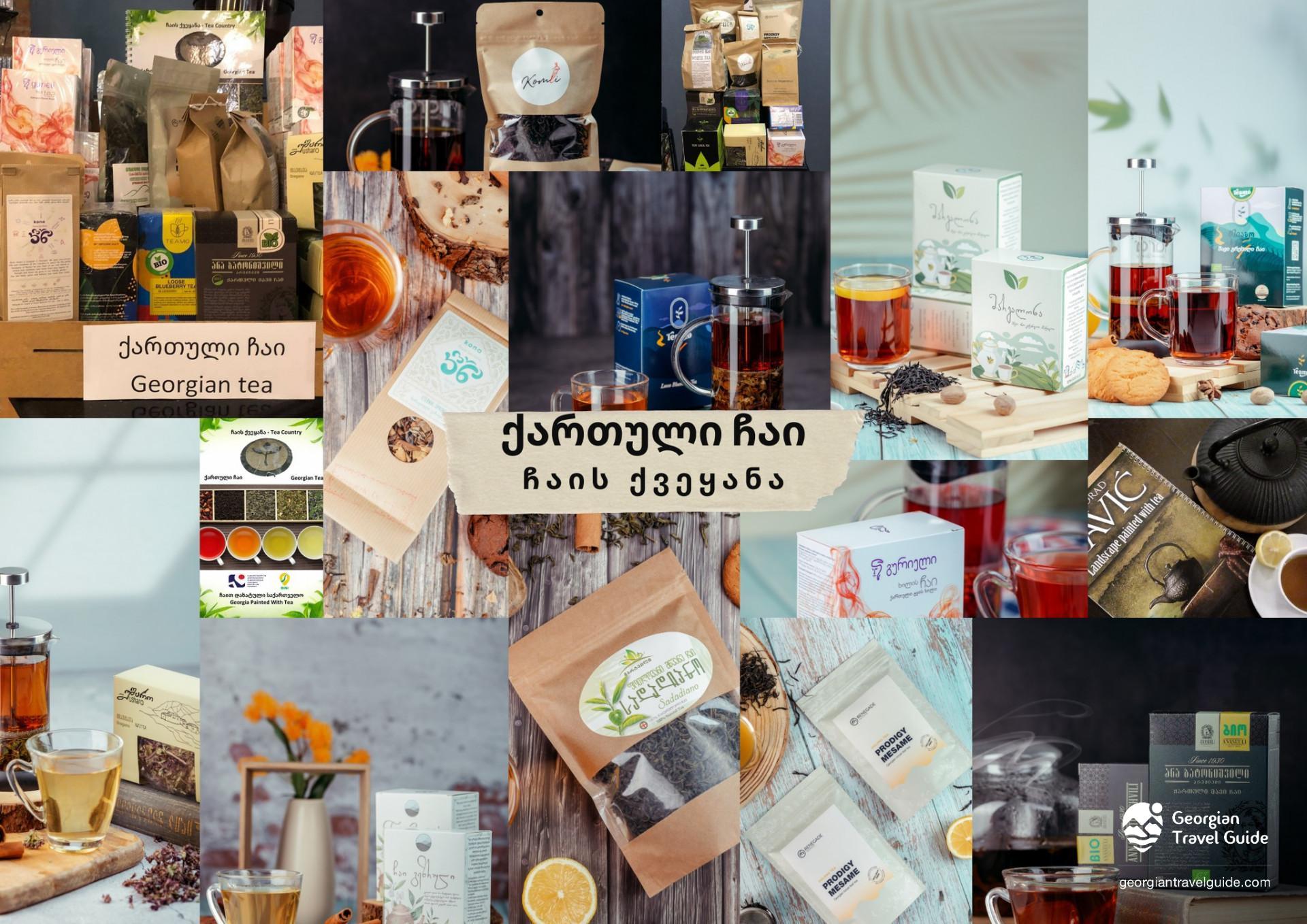










 LOGIN WITH GOOGLE
Please login to add a comment
Write a comment