
 GEO
GEO  ENG
ENG  RUS
RUS 
Bike trip
დაამატეთ თქვენი რესტორანი Georgian Travel Guide-ზე — მიიღეთ ონლაინ ჯავშნები წინასწარი გადახდით და გახდით ხილული ყოველთვიურად 100 000-ზე მეტი მოგზაურისთვის.

განათავსეთ საკუთარი კოტეჯი / სასტუმრო ჩვენს პლატფორმაზე და გააცანით თქვენი მომსახურება 100 000-ზე მეტ მოგზაურს.

დაამატეთ თქვენი ავტომობილი Georgian Travel Guide-ზე და გახდით ხილული ყოველთვიურად 100 000-ზე მეტი მოგზაურისთვის.
ხარ გიდი? დაამატე შენი პროფილი Georgian Travel Guide-ზე და დაუკავშირდი მოგზაურებს პირდაპირ — შუამავალი კომპანიებისა და საკომისიოს გარეშე.
იცნობთ ადგილს, რომელიც რუკაზე ჯერ არავის დაუტანია? დაამატეთ ის Georgian Travel Guide-ზე უფასოდ და გააცანით ათასობით მოგზაურს. გაიცანი და გააცანი #უცნობისაქართველო

განათავსეთ თქვენი ტურები და აქტივობები Georgian Travel Guide-ზე და გააცანით ისინი ყოველთვიურად 100 000-ზე მეტ მოგზაურს, რომლებიც სწორედ ახლა გეგმავენ მოგზაურობას საქართველოში.
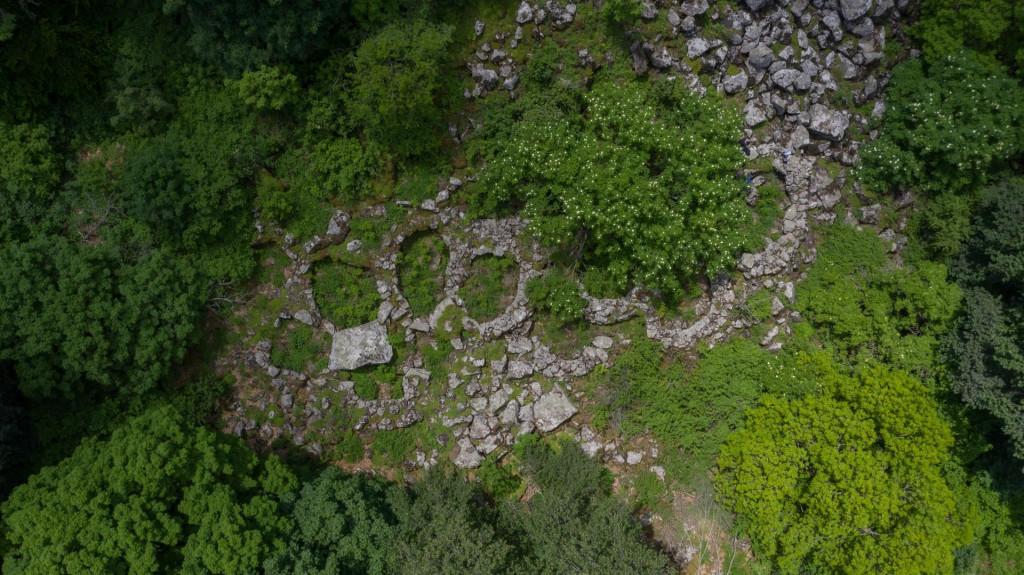
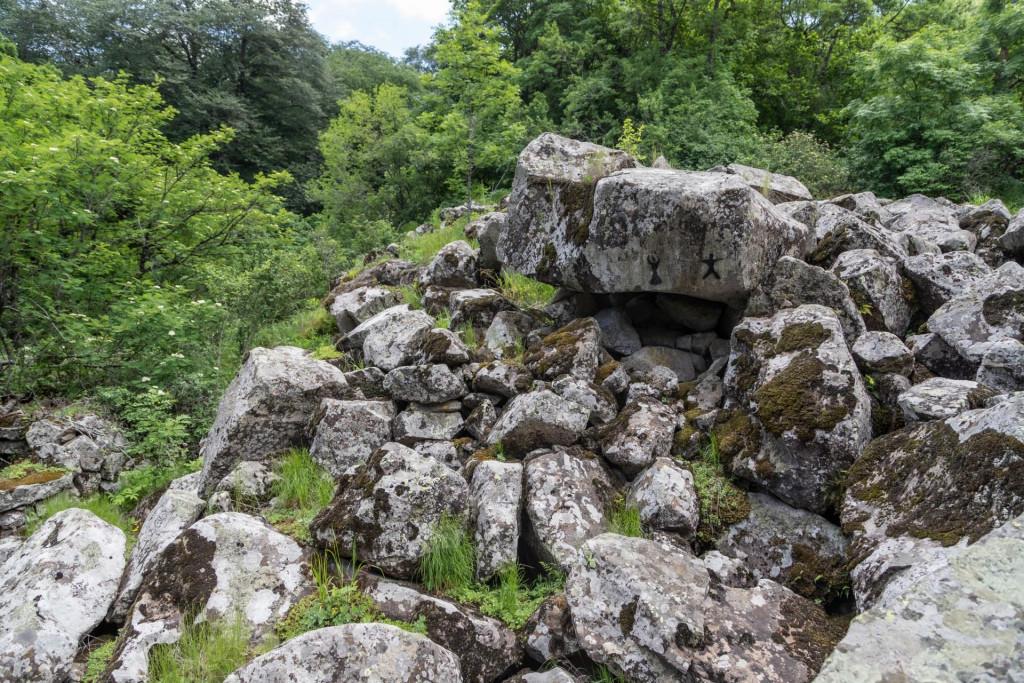
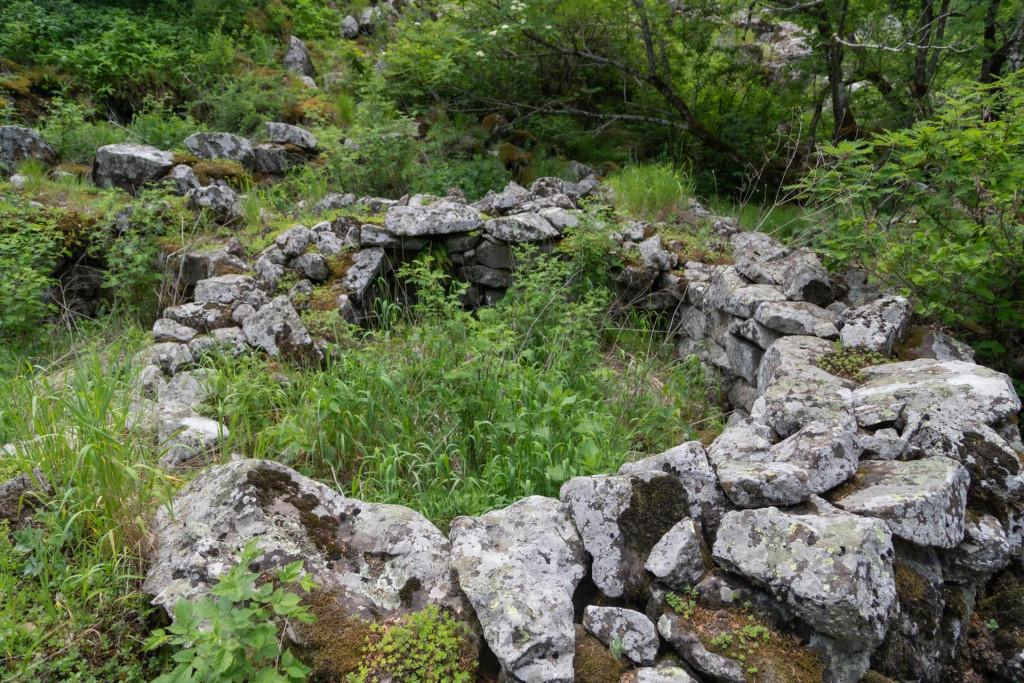
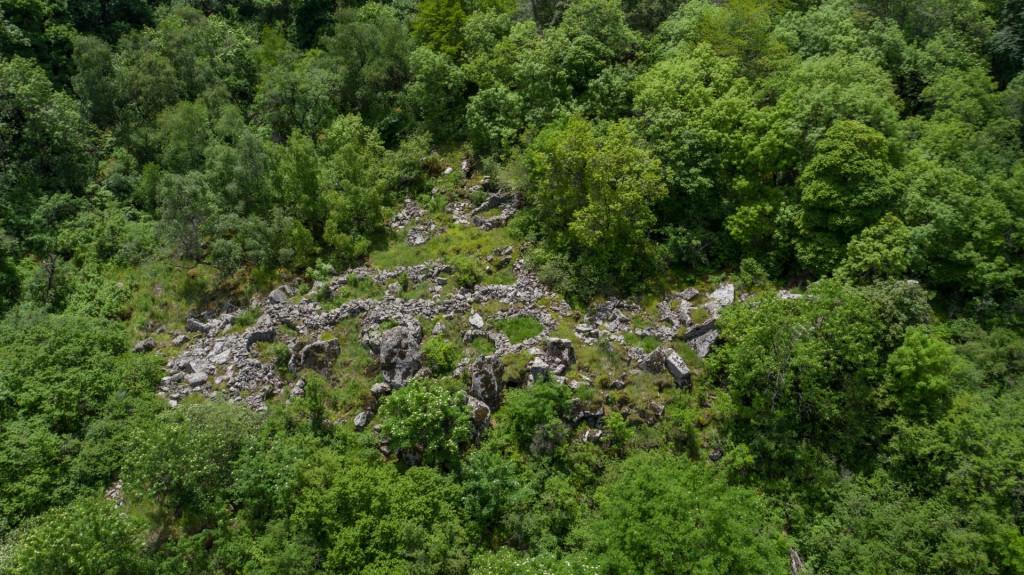
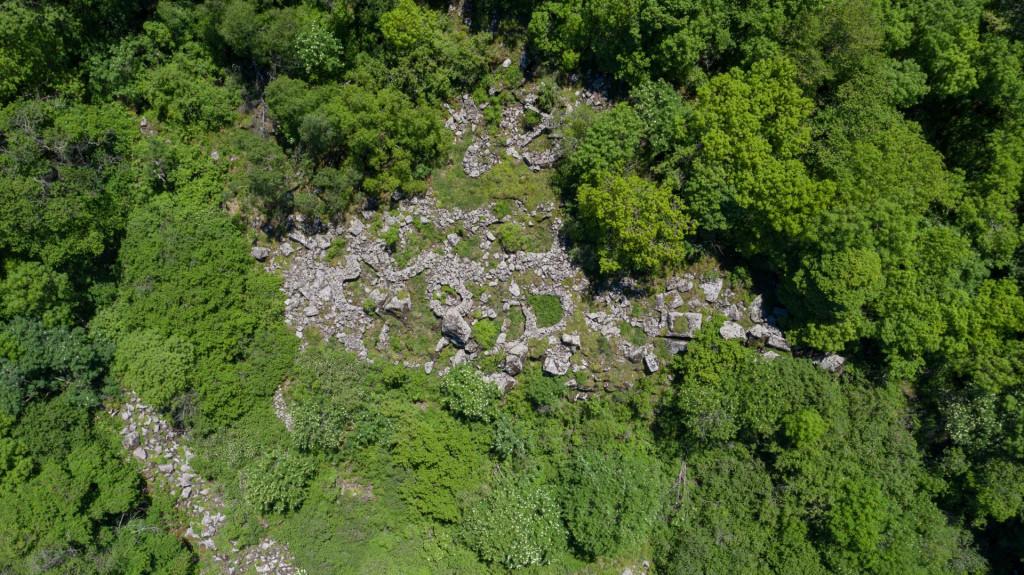
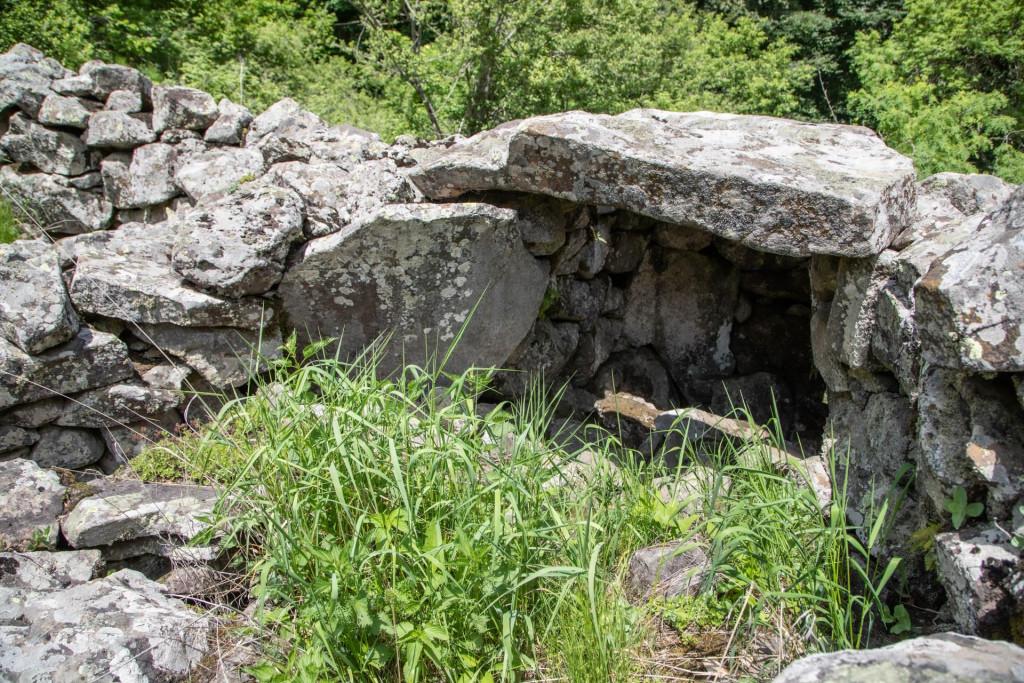
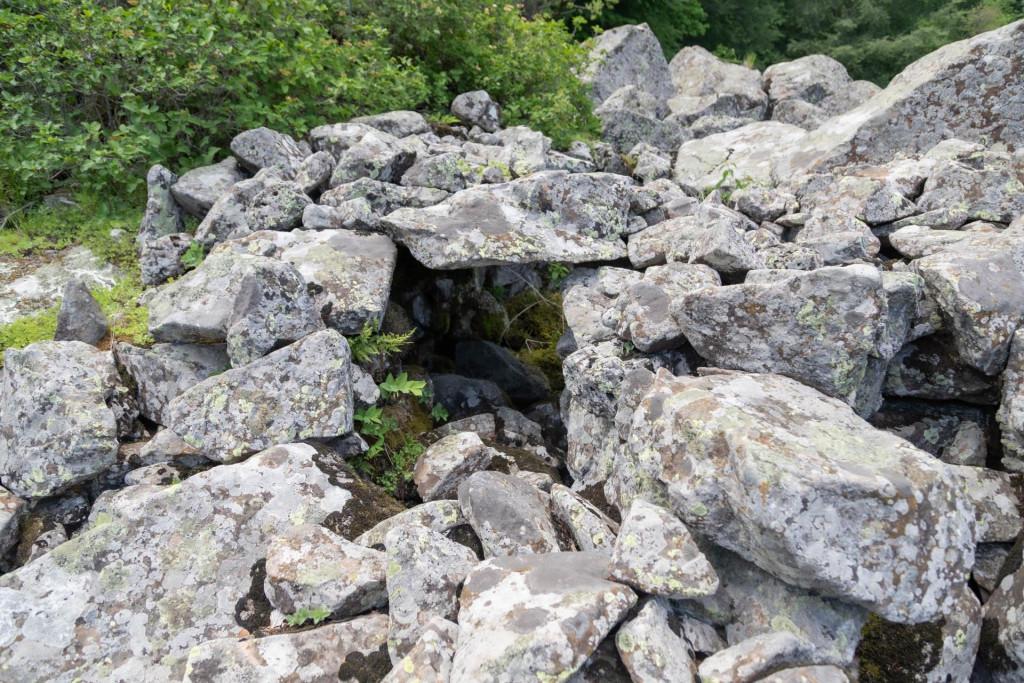
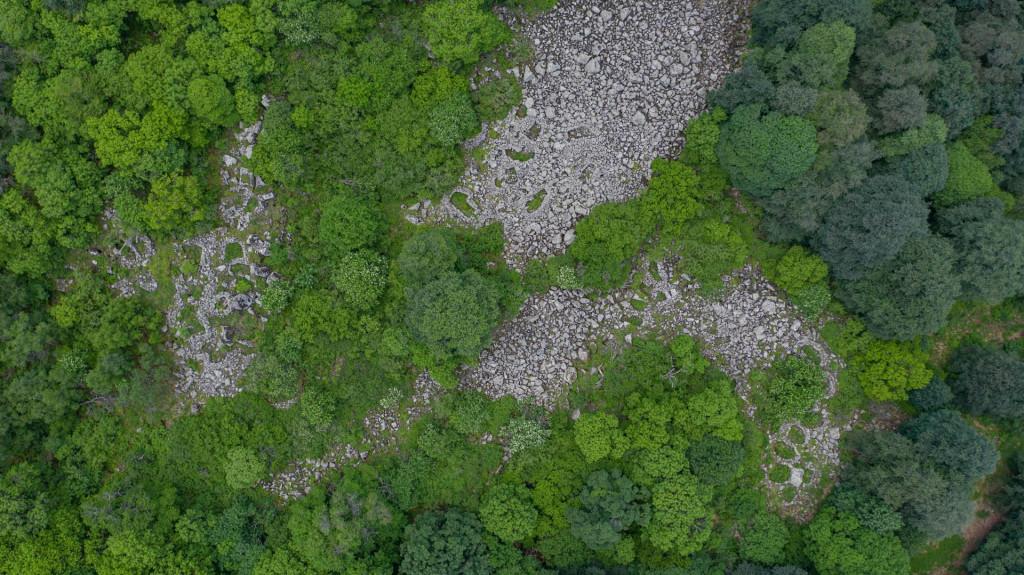
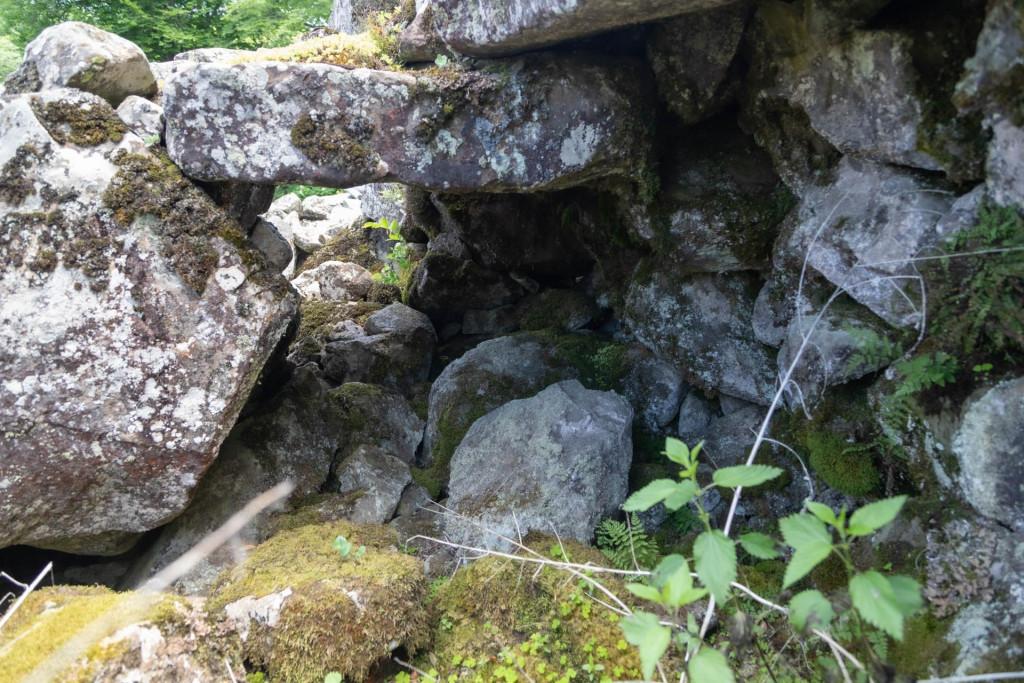
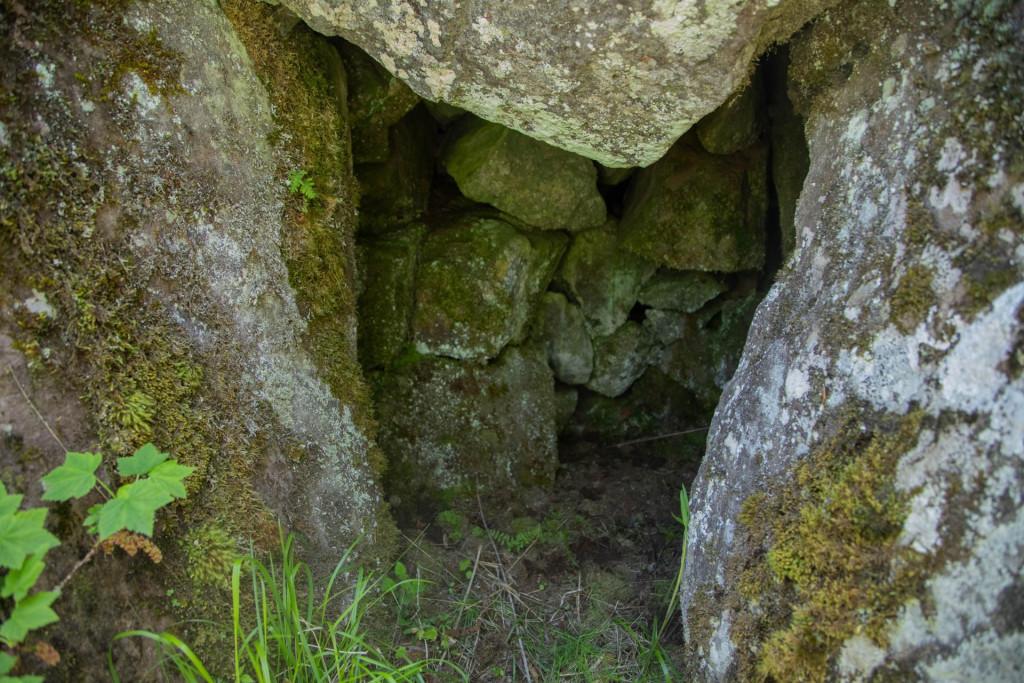
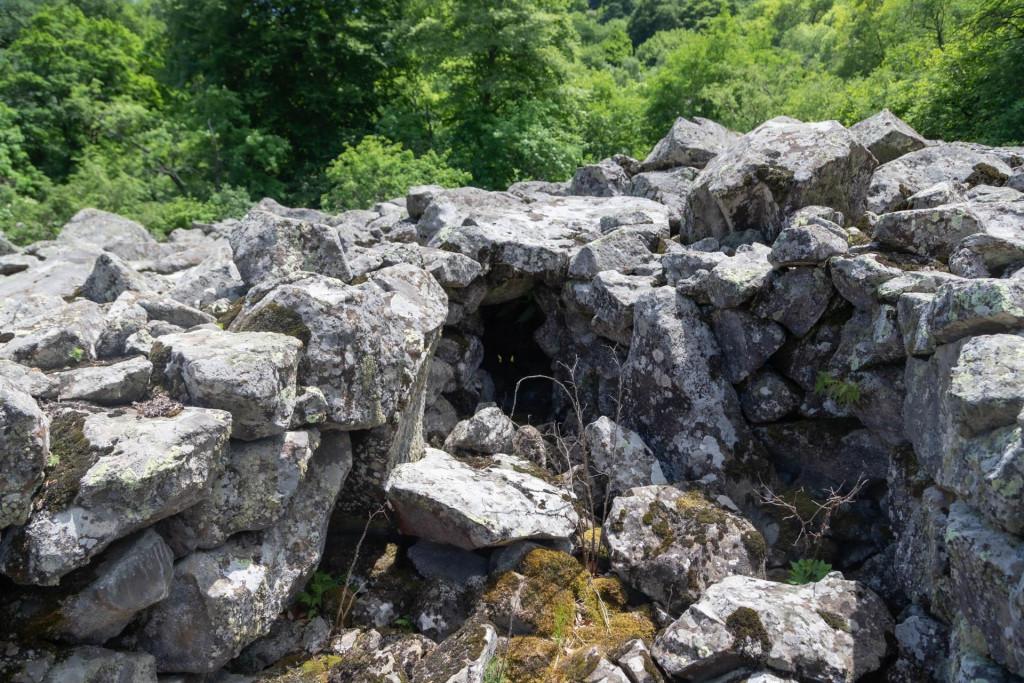
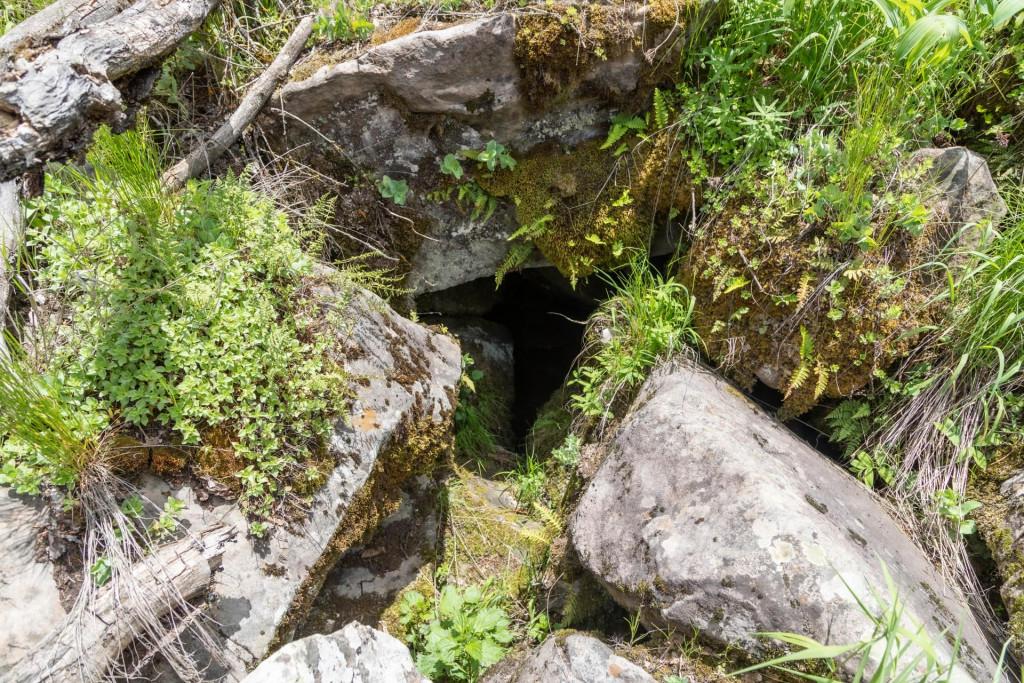
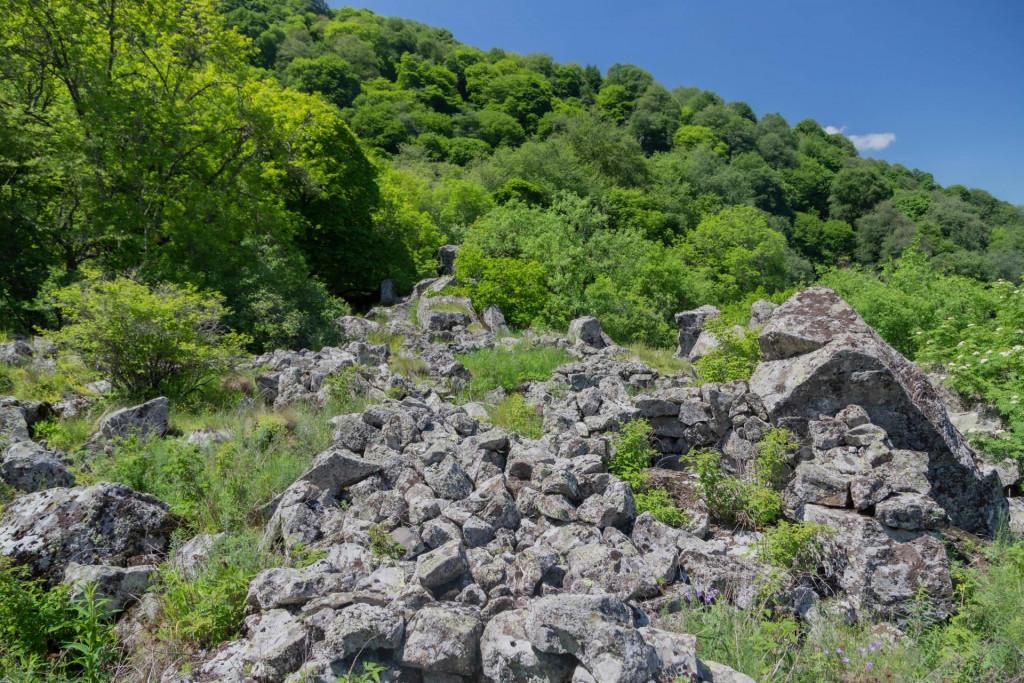
Gokhnari Lodovani is located in the Kvemo Kartli region, belongs to Tetritskaro municipality, near the village of Gokhnari, in the Algeti valley, 1500 meters above sea level. It is one of the biggest cyclopean complexes in Georgia and dates back II-I centuries BC. The complex consists of three main parts: crack-tunnel, old settlement and fortress. The monument is inaccessible from all sides except the northwest, from where there was the water road.
Gokhnari Lodovani’s area occupies 0,25 sq. km. There is a huge columnar monolith in the center, which is visible from all sides. The building has a rectangle shape. It is built by large blocks of unprocessed andesite rock. There are cylindrical towers on the southern margin. Also there are four truncheons in all three sections of the building with artificially arranged entrances. Here are five dolmens, fissure-tunnels, columnar monoliths of different sizes and a remnant of "Eratipa." Gokhnari Lodovani is included in the whole complex of megalithic monuments around Sakrisi Mountain and belongs to the Early Bronze Age.


Help other travelers use your experience.
Review this destination, share your thoughts, impressions, pros and cons.
Let's make traveling easier than ever.

 LOGIN WITH GOOGLE
Please login to ask a question
Ask a Question