
 GEO
 ENG
 RUS
Help other travelers use your experience.
Review this destination, share your thoughts, impressions, pros and cons.
Let's make traveling easier than ever.

განათავსეთ საკუთარი კოტეჯი / სასტუმრო ჩვენს პლატფორმაზე და გააცანით თქვენი მომსახურება 100 000-ზე მეტ მოგზაურს.

დაამატეთ თქვენი ავტომობილი Georgian Travel Guide-ზე და გახდით ხილული ყოველთვიურად 100 000-ზე მეტი მოგზაურისთვის.
ხარ გიდი? დაამატე შენი პროფილი Georgian Travel Guide-ზე და დაუკავშირდი მოგზაურებს პირდაპირ — შუამავალი კომპანიებისა და საკომისიოს გარეშე.
იცნობთ ადგილს, რომელიც რუკაზე ჯერ არავის დაუტანია? დაამატეთ ის Georgian Travel Guide-ზე უფასოდ და გააცანით ათასობით მოგზაურს. გაიცანი და გააცანი #უცნობისაქართველო

განათავსეთ თქვენი ტურები და აქტივობები Georgian Travel Guide-ზე და გააცანით ისინი ყოველთვიურად 100 000-ზე მეტ მოგზაურს, რომლებიც სწორედ ახლა გეგმავენ მოგზაურობას საქართველოში.
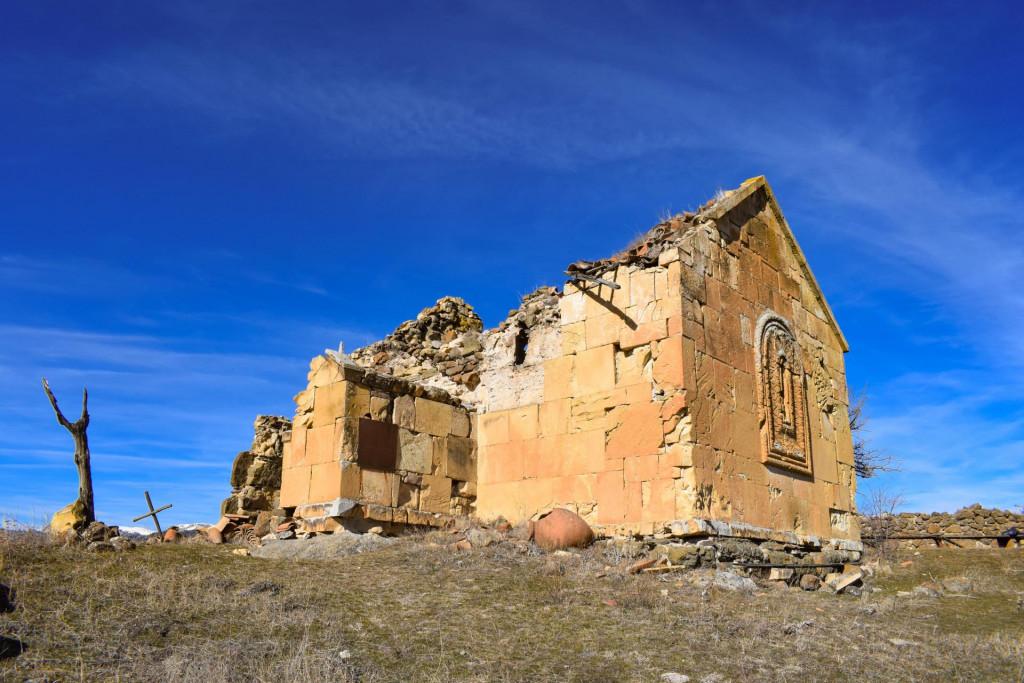
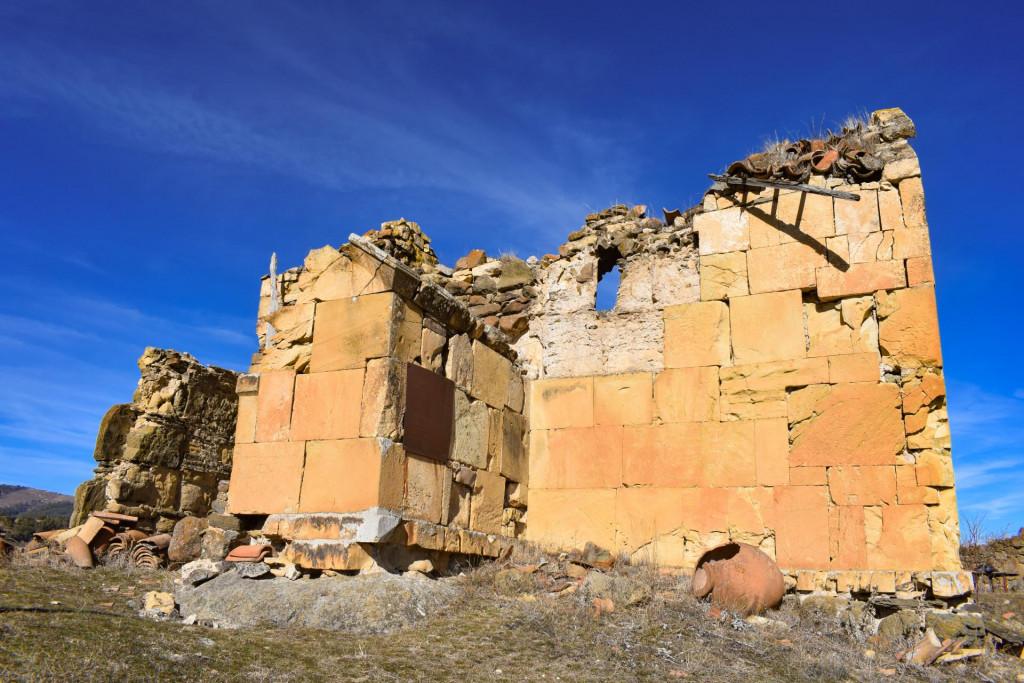
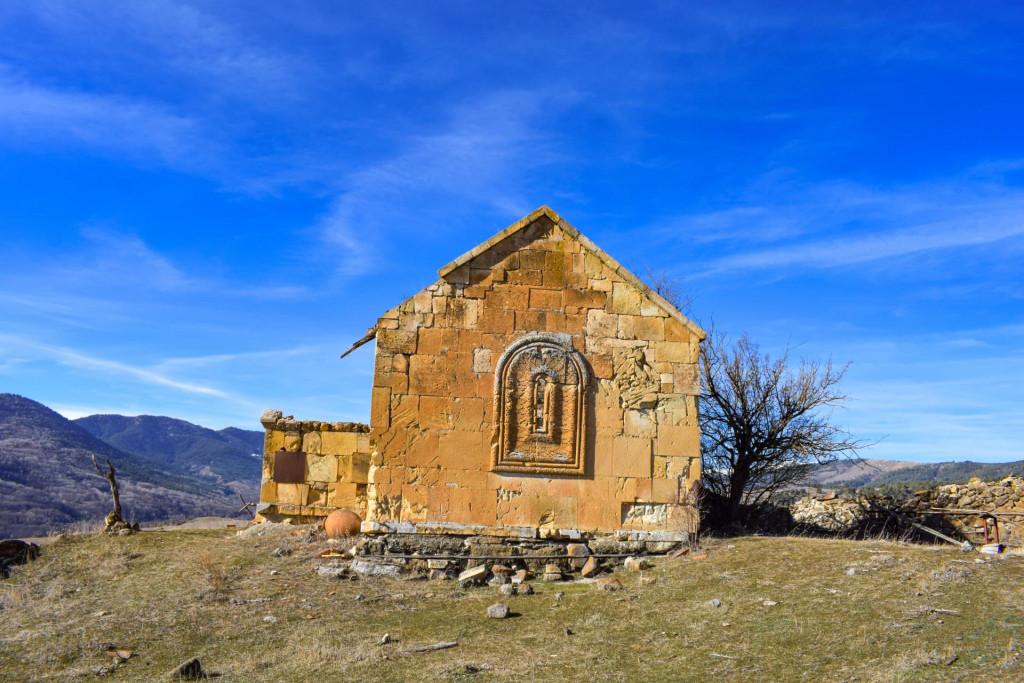
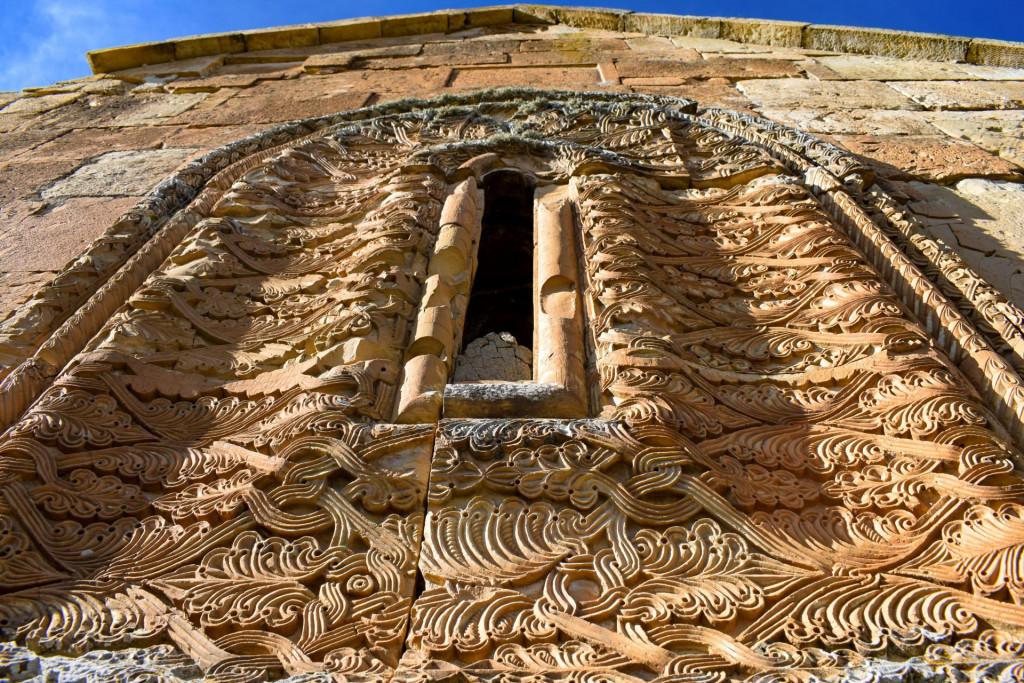
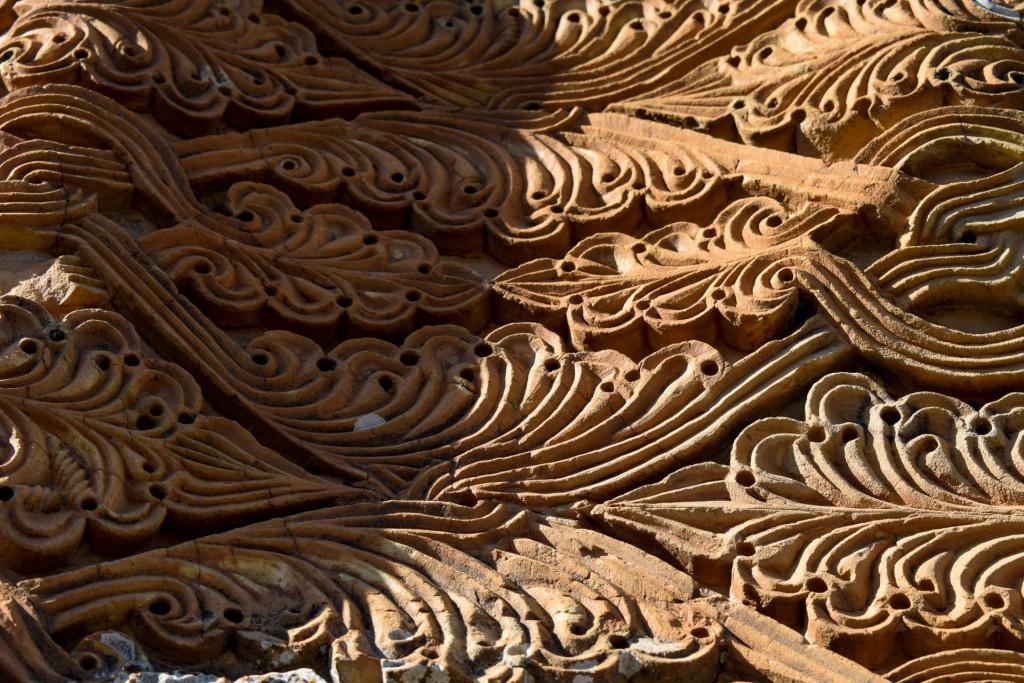
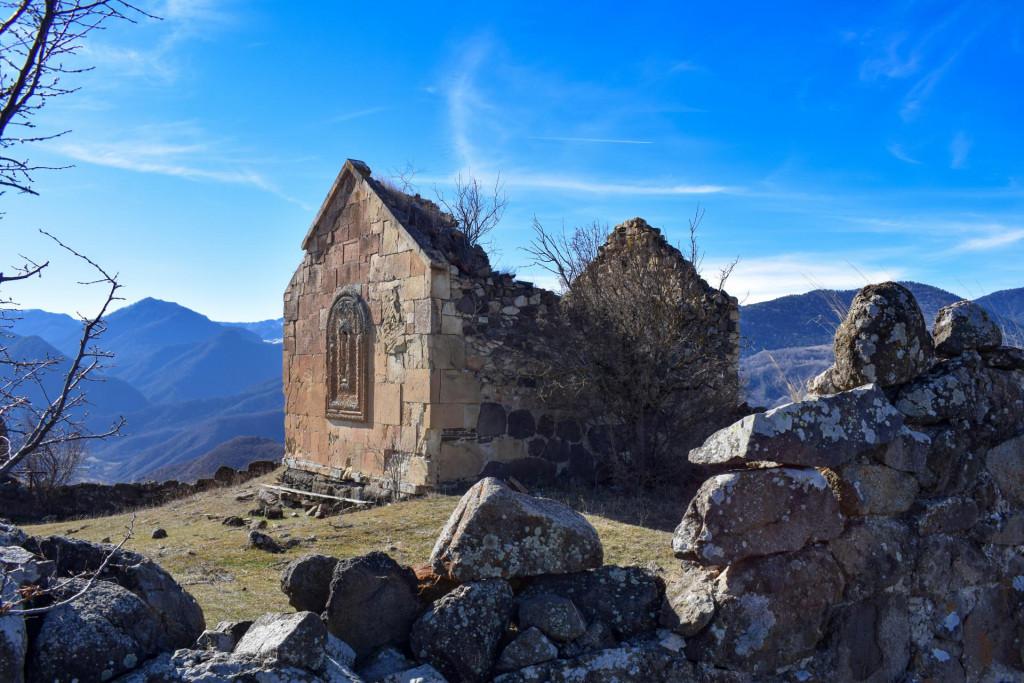
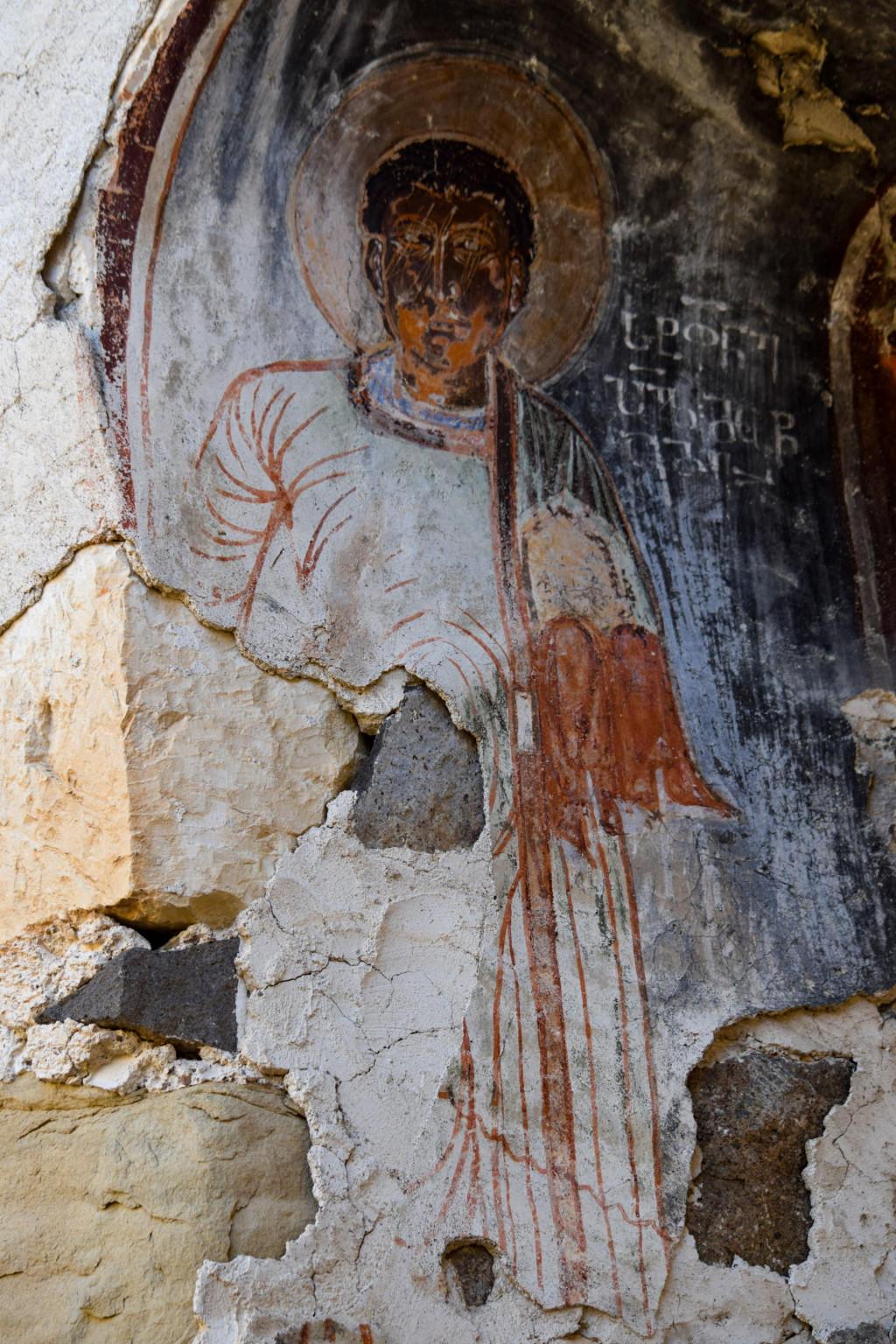
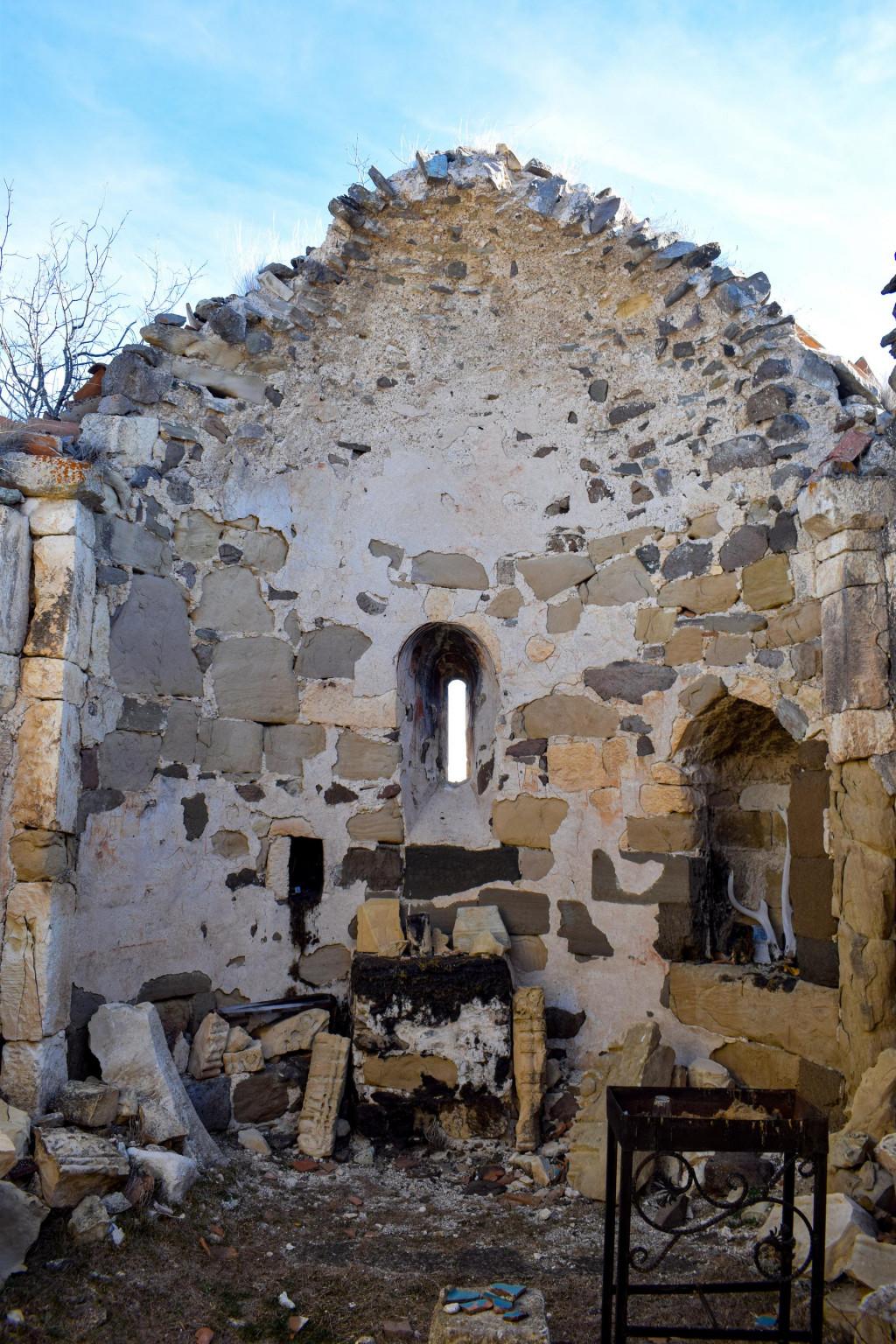
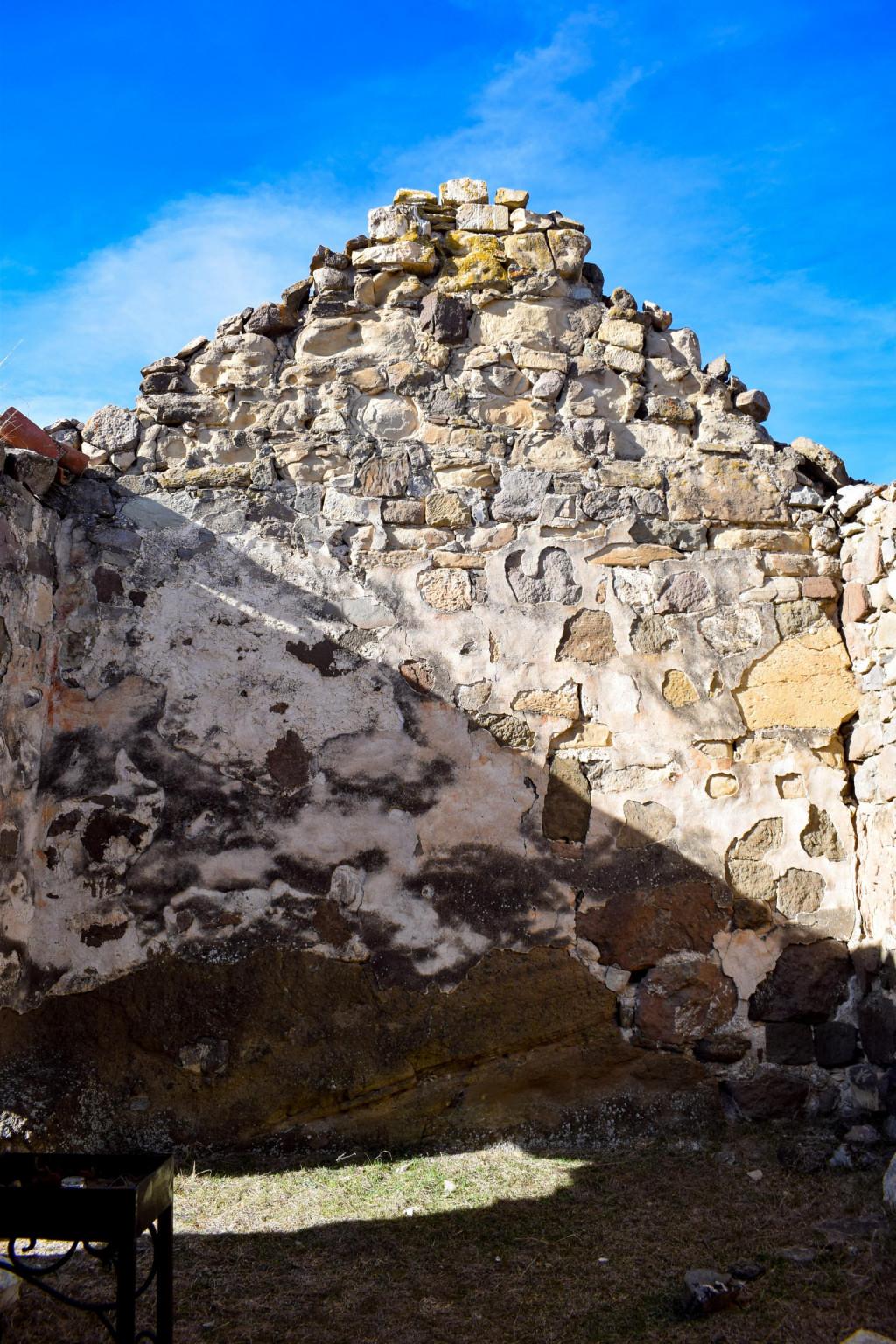
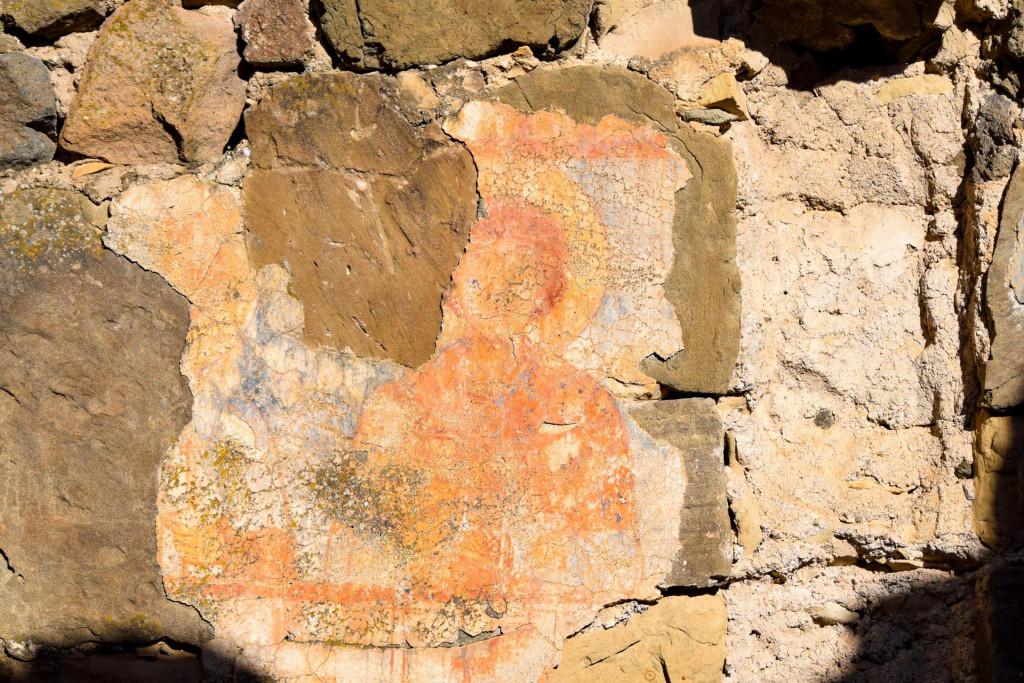
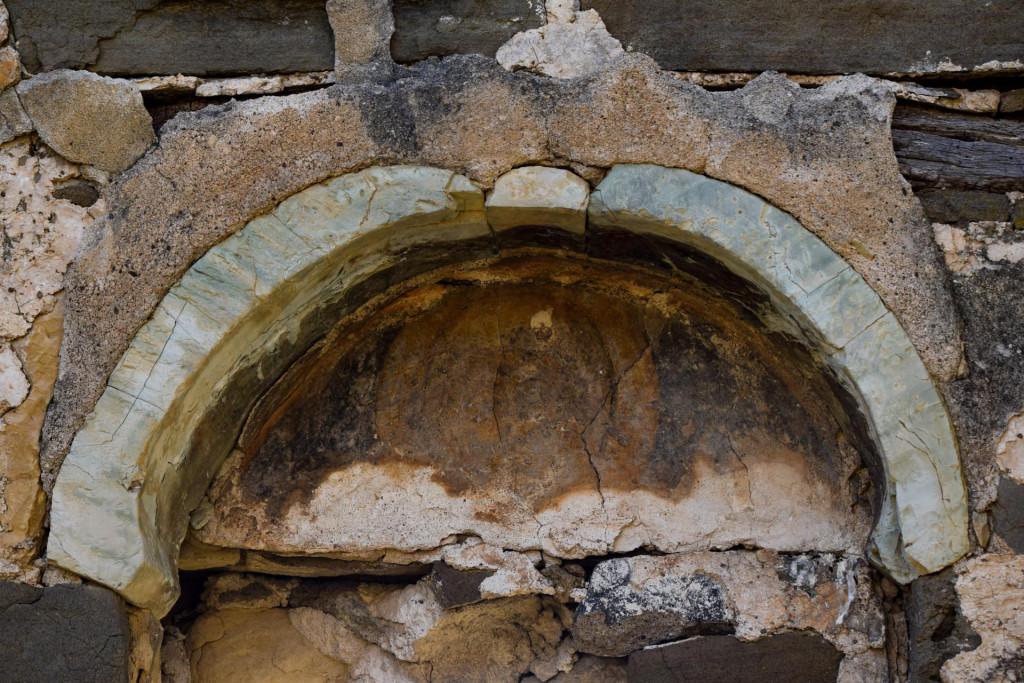
Saorbisi Saint George’s Church stands on a high rocky hill on the left bank of the Tedzami River, on the southern outskirts of Fitsesi village in Gori Municipality, Shida Kartli. Dated to 1152, it combines carved facades with surviving fragments of 12th-century wall painting.
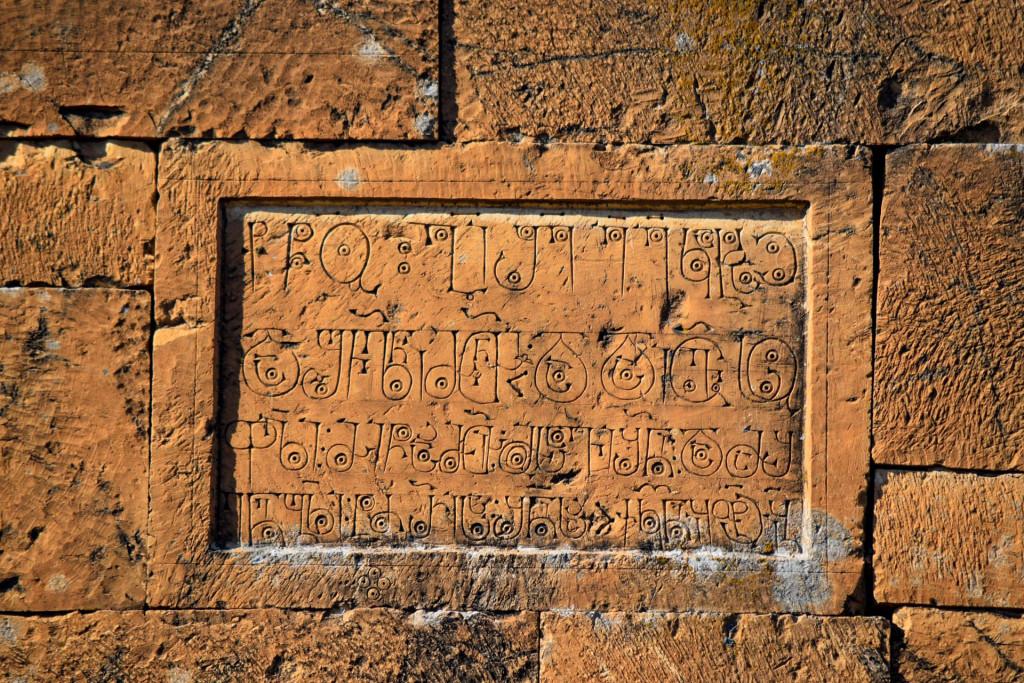
A slab above the eastern window bears a building inscription in the Georgian Asomtavruli script. It names Kakha, bearing the title eristavt-eristavi, as the builder and dates the church to 1152. The prayer asks Saint George to have mercy on Kakha and his children and to protect their village and land, those who trust in the saint, and the builder of his temple. The inscription ends with a chronicon date transcribed as “ტაბ” (1152).
In 1962, the church underwent partial restoration: it was roofed and its facades repaired. The damaged fabric and surviving paintings remain important parts of its history.
The hall church measures 17 × 12.5 metres. Built of carefully dressed sandstone blocks, it stands on a high plinth, with its western facade overlooking a rocky slope. The southern entrance is approached through a southwest annex.
The semicircular apse has one window and two niches; a further window opens in each of the north and south walls. A finely worked but badly damaged sanctuary screen separates the altar area from the hall.
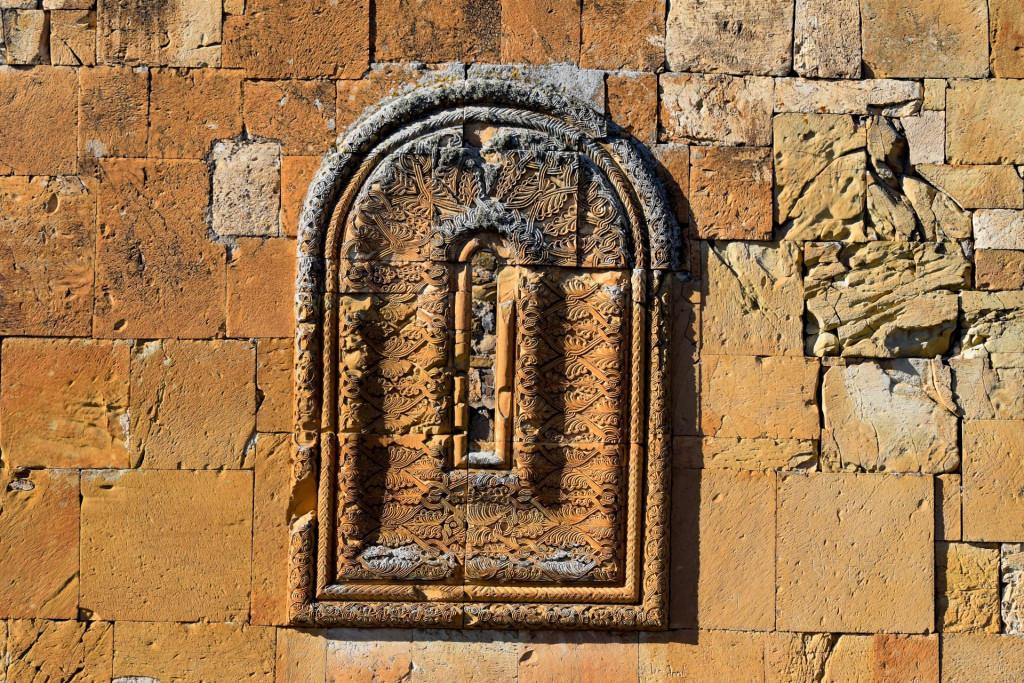
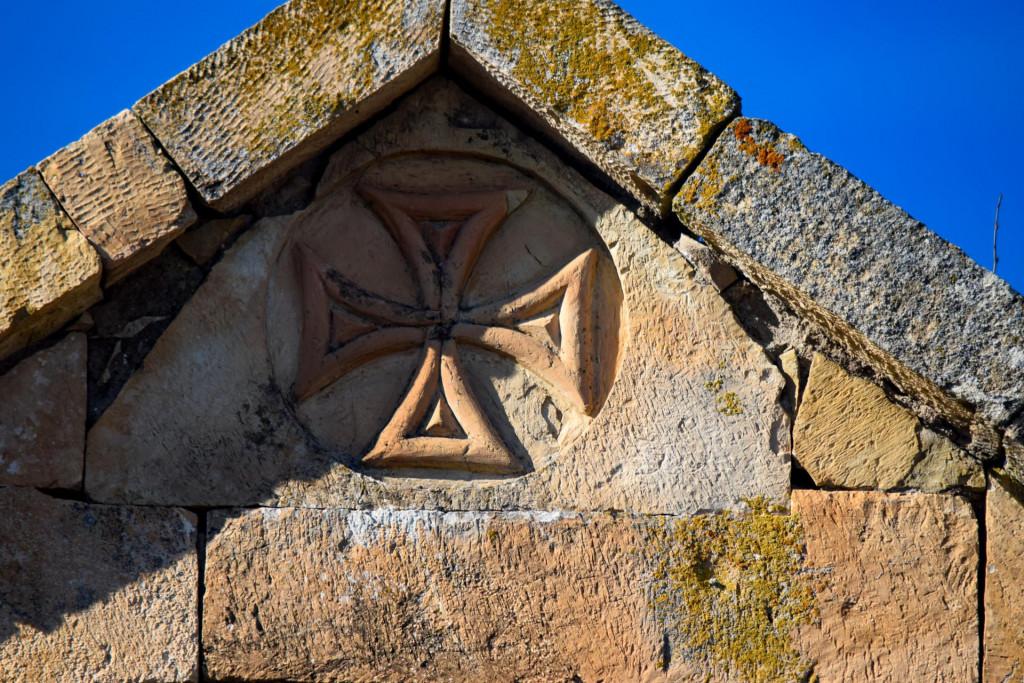
Broad surrounds frame the eastern and southern windows, decorated with floral and geometric carving. An equal-armed cross is cut at the apex of the eastern gable. Enclosure walls meet the church on its northern and southern sides, with an entrance to the southwest.
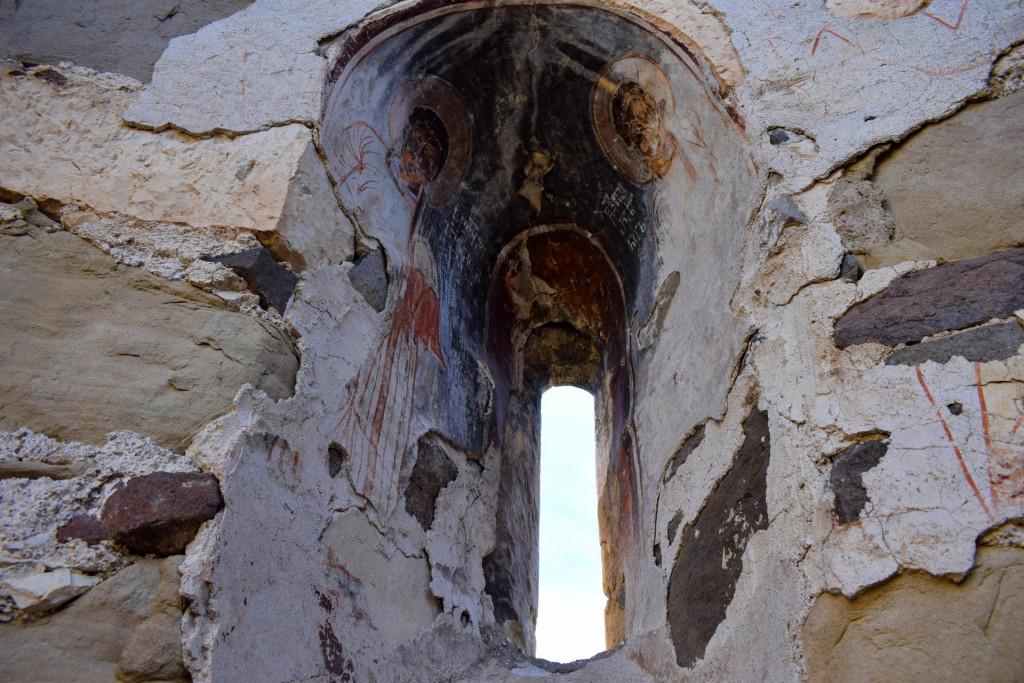
The surviving interior paintings are contemporary with the building. Fragments of a Deesis, or intercessory prayer composition, remain in the apse conch: Christ’s right foot with traces of golden-ochre underpainting and a brown outline, part of a reddish-brown tunic, and a square-shaped throne leg divided into rectangular panels. A fragment of a six-winged seraph survives to the north.
The second, lower register contains six front-facing Church Fathers. Paintings in the window reveals are better preserved. Asomtavruli inscriptions identify the deacons Saint Stephen and Saint Germanos. The Church Fathers have yellow haloes, while those of the deacons are greyish violet.
On the eastern part of the north wall, the Entry into Jerusalem survives as fragments of a horse and a child facing Christ. Two half-length martyrs can be distinguished towards the western end of the same wall; one is a warrior.
The eastern part of the south wall retains a damaged scene of Saint George fighting the dragon on a reddish horse. Christ’s head is depicted in the entrance tympanum. Other fragments above and to the right of the doorway, and on the west wall, can no longer be identified.
The southern window reveals have plant ornament: three-petalled flowers, yellow shoots and stamens against black. Such motifs are characteristic of Georgian monumental painting of the 11th–12th centuries. The restrained palette combines brick red, golden ochre, light blue, reddish brown and grey; the static figures have a solemn presence.
Take care on the rocky hillside and avoid touching the paintings. Begin with the exterior inscription and carving, then allow time for the interior scenes if access is available.
A journey through the Tedzami Valley can also include Khovle Aqueduct, or Kvakhida. For a longer itinerary, consider Rkoni Monastery, planning its approach and walking section separately.
Our guides are ready to help you on this trip


If you are looking for a place for a healthy vacation near Tbilisi, you should definitely come to Su...

Rancho Variani offers 2, 4, 6-person cottages, horseback riding, a thermal pool, a fishing area and ...

Help other travelers use your experience.
Review this destination, share your thoughts, impressions, pros and cons.
Let's make traveling easier than ever.
 LOGIN WITH GOOGLE
Please login to ask a question
Ask a Question