
 GEO
GEO  ENG
ENG  RUS
RUS 


Help other travelers use your experience.
Review this destination, share your thoughts, impressions, pros and cons.
Let's make traveling easier than ever.

დაამატეთ თქვენი რესტორანი Georgian Travel Guide-ზე — მიიღეთ ონლაინ ჯავშნები წინასწარი გადახდით და გახდით ხილული ყოველთვიურად 100 000-ზე მეტი მოგზაურისთვის.

განათავსეთ საკუთარი კოტეჯი / სასტუმრო ჩვენს პლატფორმაზე და გააცანით თქვენი მომსახურება 100 000-ზე მეტ მოგზაურს.

დაამატეთ თქვენი ავტომობილი Georgian Travel Guide-ზე და გახდით ხილული ყოველთვიურად 100 000-ზე მეტი მოგზაურისთვის.

ხარ გიდი? დაამატე შენი პროფილი Georgian Travel Guide-ზე და დაუკავშირდი მოგზაურებს პირდაპირ — შუამავალი კომპანიებისა და საკომისიოს გარეშე.

იცნობთ ადგილს, რომელიც რუკაზე ჯერ არავის დაუტანია? დაამატეთ ის Georgian Travel Guide-ზე უფასოდ და გააცანით ათასობით მოგზაურს. გაიცანი და გააცანი #უცნობისაქართველო

განათავსეთ თქვენი ტურები და აქტივობები Georgian Travel Guide-ზე და გააცანით ისინი ყოველთვიურად 100 000-ზე მეტ მოგზაურს, რომლებიც სწორედ ახლა გეგმავენ მოგზაურობას საქართველოში.
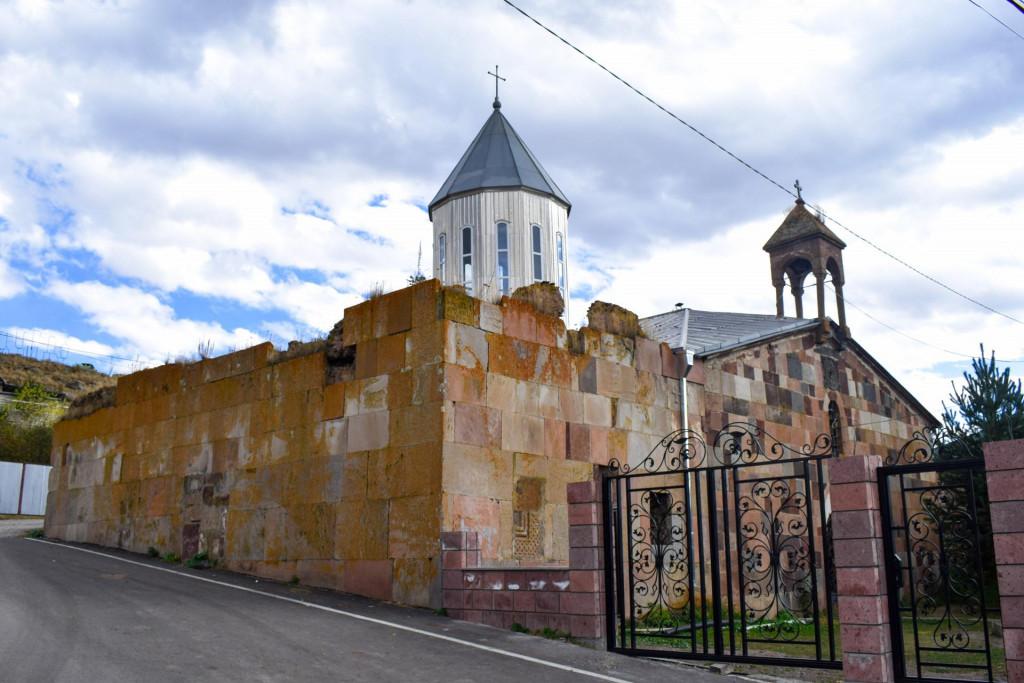
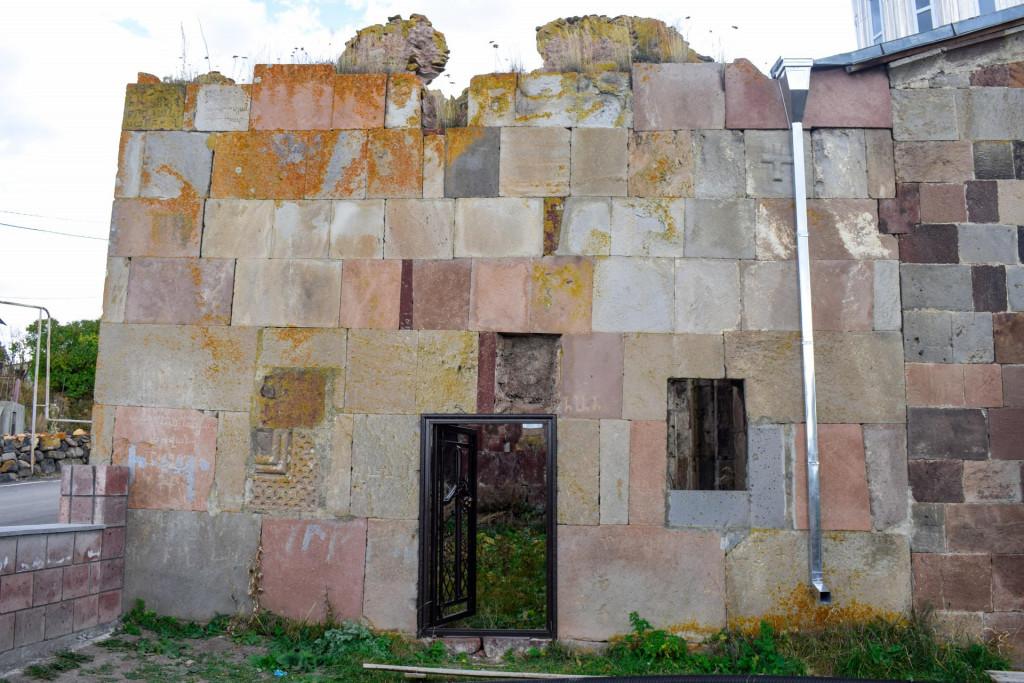
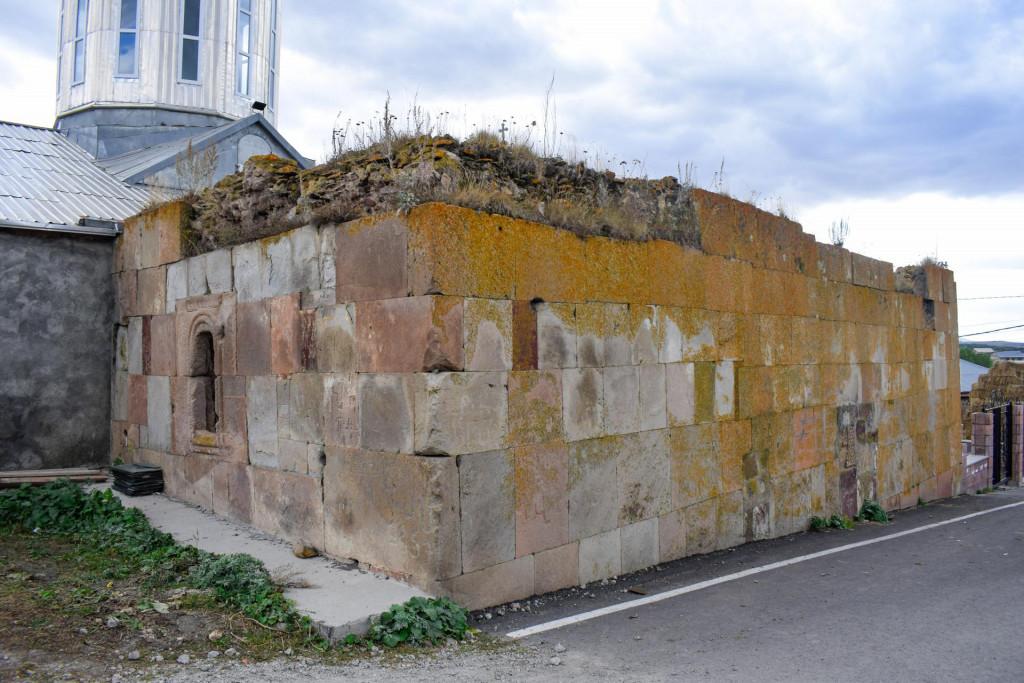
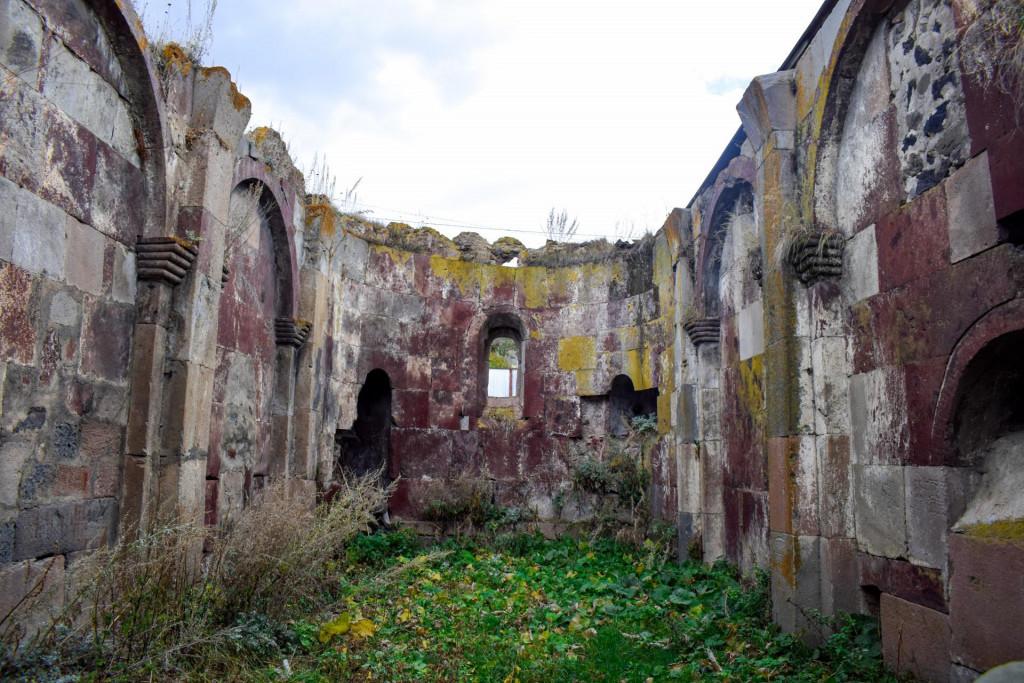
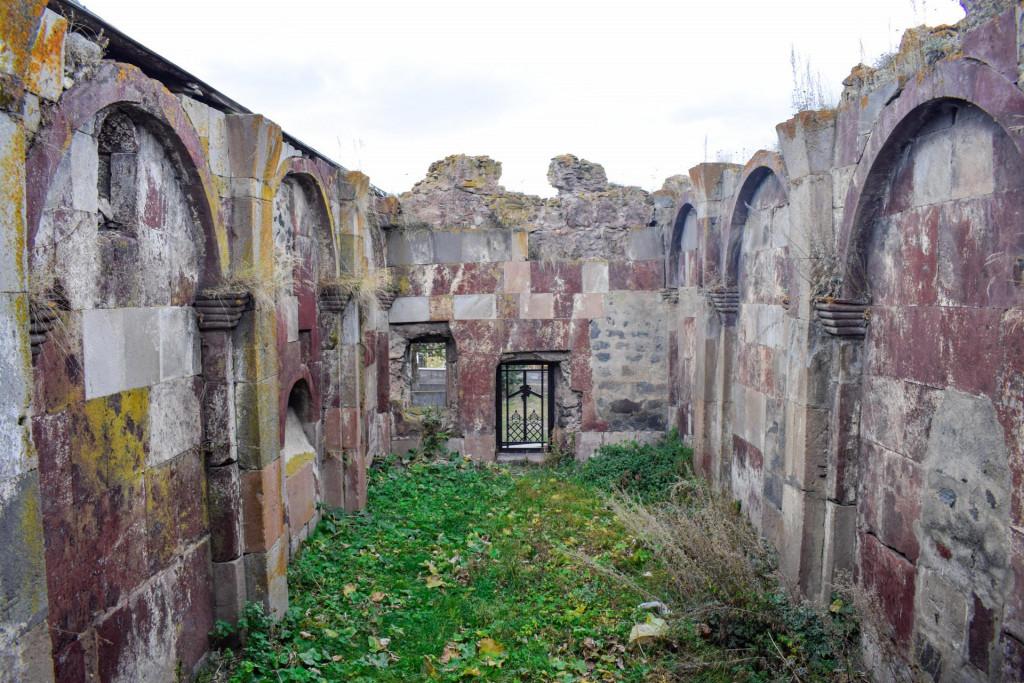
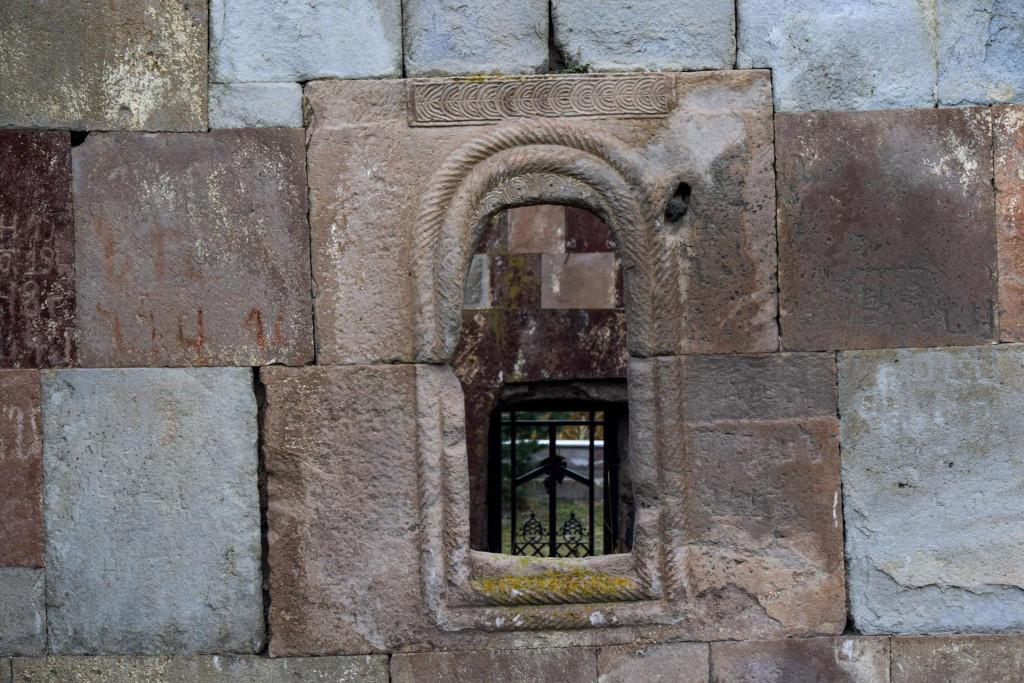
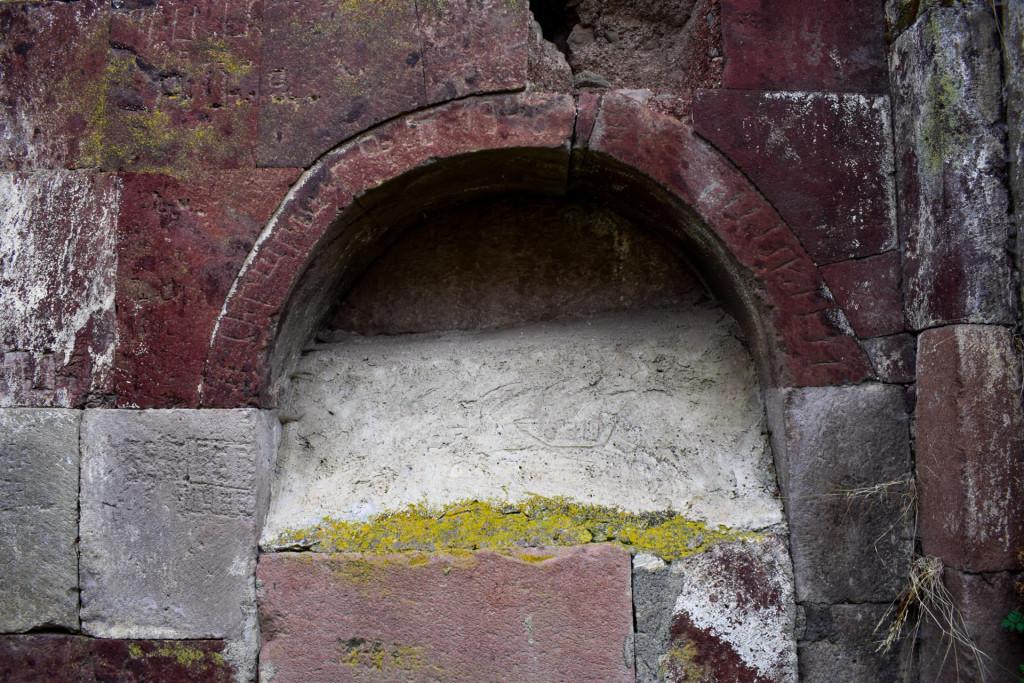
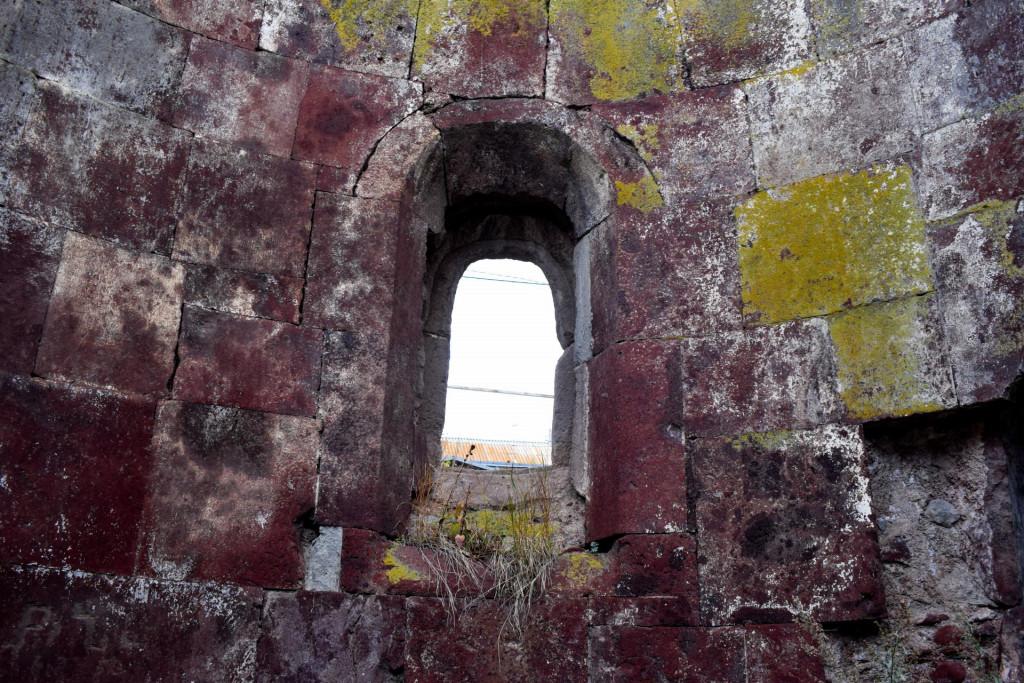
The Satkhe Church is located in Javakheti, in the village of Satkhe, Ninotsminda Municipality.
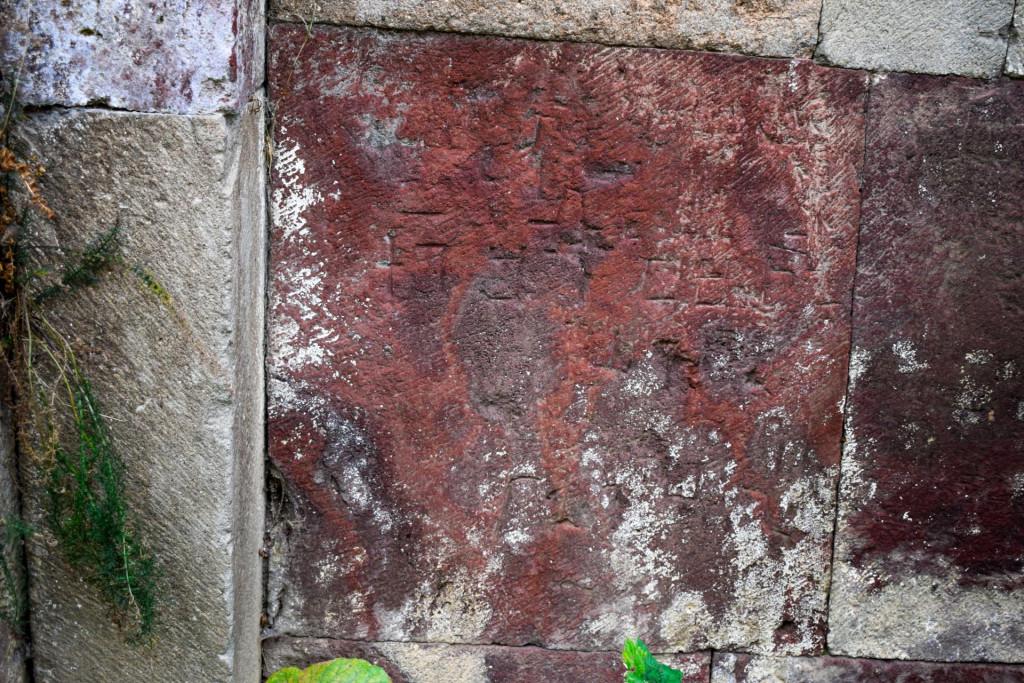
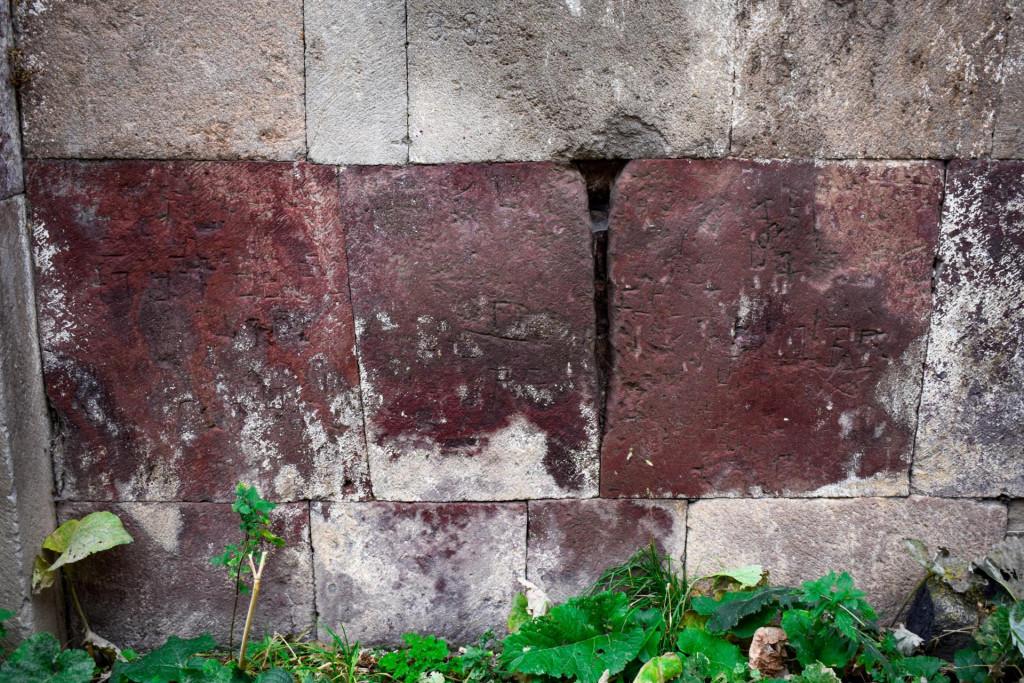
The Satkhe Church was built before 1065 by Parsman Tmogveli, the Eristavi of Javakheti during the reign of King Bagrat IV of Georgia, about which we learned from the now-deceased inscription on the stone of the southern Balavri: “May God bless Parsman Eristavi Eristavi, who built this church for their glory and for the prayers of their parents.” The church is a hall, built of well-polished colored red and yellowish stone. It had a nave from the west and south (the southern one was built). There are windows one in each of the eastern and western walls, and two in the southern one. Of these, only the eastern one has survived today. To the east is a semicircular apse, with one wide and arched window on its axis. In the apse there are two deep and arched niches starting almost from the floor level and extending to the middle of the window. The conch rested on an arch that crossed over the shoulders. The longitudinal walls of the hall are divided by two pairs of two-stage pilasters, the capitals of the lower stage of which are stepped, and the upper - plain. The vaulted arches of the arch passed from the plain capitals of the pilaster, and from the lower, profiled pilasters a decorative arch of the wall extended. The facades of the temple were decorated. Currently, the eastern window sill has been preserved in its place, consisting of a parallel twisted shaft arch, inside which, directly following the window cut, an ornament composed of a series of concentric circles was placed. Currently, only part of the arch remains from it, the rest was cut off during the expansion of the window. Above the shafts, a relief decorated with a row of semicircles opening to the right runs horizontally along the edge of the stone. Another window of the same temple is placed opposite the east window of the Monophysite church, which is currently built on it from the south. It is decorated with a plain shaft arch, which rests on an ornamental base. The facades show traces of rearrangement: fragments of door frames are inserted into the arrangement of the southern and western walls. The door was surrounded by a triple frame. The first layer is formed by the so-called wedge-shaped ornament, which is surrounded by a twisted pair of shafts and ends with a fairly thick decorative rectangular frame. It seems that the main decoration of the church was placed on the southern facade. The surviving Balavri stone depicts the Virgin Mary with the Child in the Garden of Eden: the Balavri stone is surrounded by a decorative frame. Each side of the frame has a different ornament. The inner area is divided into three parts, the edges are left plain, and in the middle the Virgin Mary is depicted with the Child among grapevines. On the same wall, to the east of the door, a 12th-13th century fresco has been preserved. An 11-line Khuts inscription, which tells us that the church authorities had set a two-day feast for Giorgi Shazelisdze and his sons, and that the wine and sepiskveri brought to the church of Barbarobai were to be spent here without fail: “May God have mercy on St. Giorgi Shazelisdze and his sons. They have set a two-day feast, so that neither the top nor the sepiskveri may come out. Barbarobai and the second coming, no one from within this throne will be able to diminish our service, and whoever diminishes the law, let him be in the west, Amen.” This inscription on the southern facade and the stone of the altar are now in the interior of the Monophysite church built from the south in 1877. The church has completely lost its vault and nave.
Our guides are ready to help you on this trip

Buy our tours online and explore incredible Georgia!


Help other travelers use your experience.
Review this destination, share your thoughts, impressions, pros and cons.
Let's make traveling easier than ever.
 LOGIN WITH GOOGLE
Please login to ask a question
Ask a Question