
 GEO
GEO  ENG
ENG  RUS
RUS 


Help other travelers use your experience.
Review this destination, share your thoughts, impressions, pros and cons.
Let's make traveling easier than ever.
დაამატეთ თქვენი რესტორანი Georgian Travel Guide-ზე — მიიღეთ ონლაინ ჯავშნები წინასწარი გადახდით და გახდით ხილული ყოველთვიურად 100 000-ზე მეტი მოგზაურისთვის.

განათავსეთ საკუთარი კოტეჯი / სასტუმრო ჩვენს პლატფორმაზე და გააცანით თქვენი მომსახურება 100 000-ზე მეტ მოგზაურს.

დაამატეთ თქვენი ავტომობილი Georgian Travel Guide-ზე და გახდით ხილული ყოველთვიურად 100 000-ზე მეტი მოგზაურისთვის.

ხარ გიდი? დაამატე შენი პროფილი Georgian Travel Guide-ზე და დაუკავშირდი მოგზაურებს პირდაპირ — შუამავალი კომპანიებისა და საკომისიოს გარეშე.

იცნობთ ადგილს, რომელიც რუკაზე ჯერ არავის დაუტანია? დაამატეთ ის Georgian Travel Guide-ზე უფასოდ და გააცანით ათასობით მოგზაურს. გაიცანი და გააცანი #უცნობისაქართველო

განათავსეთ თქვენი ტურები და აქტივობები Georgian Travel Guide-ზე და გააცანით ისინი ყოველთვიურად 100 000-ზე მეტ მოგზაურს, რომლებიც სწორედ ახლა გეგმავენ მოგზაურობას საქართველოში.
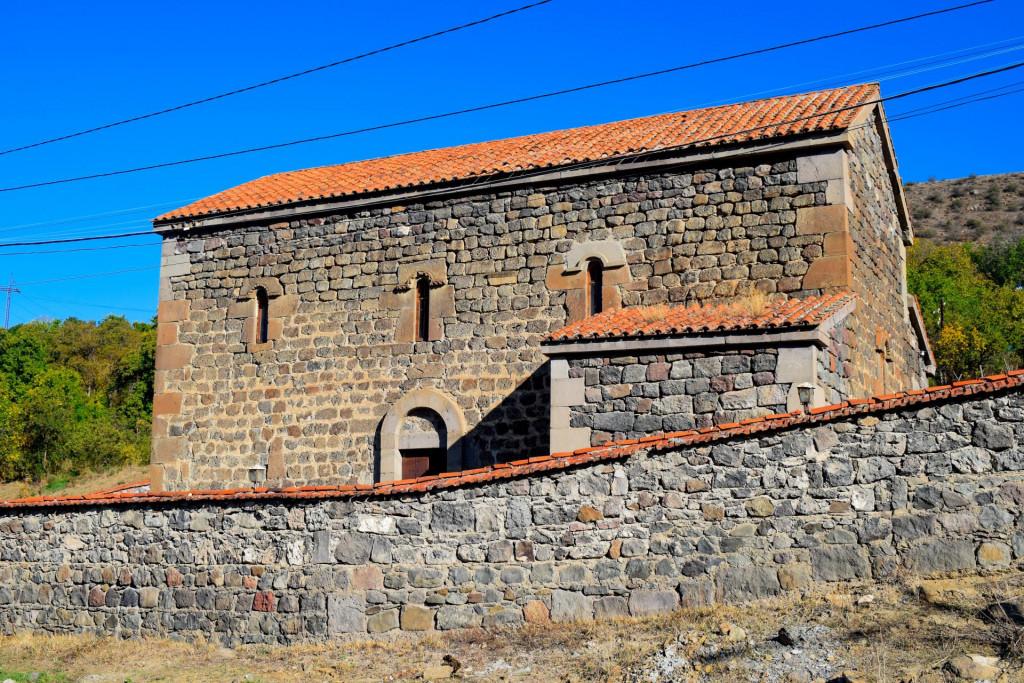
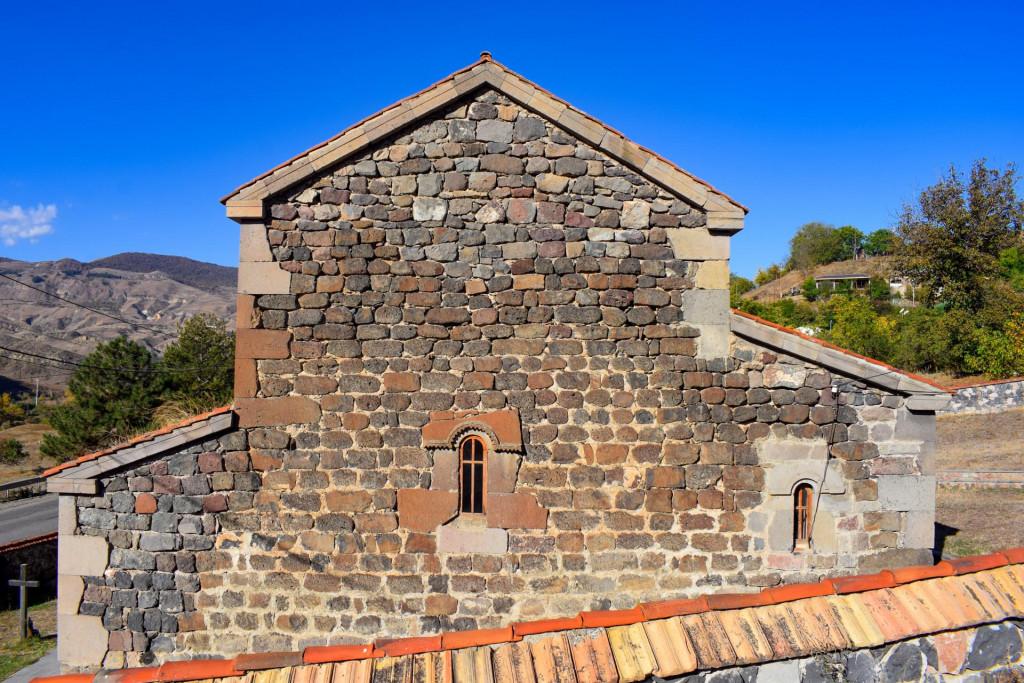
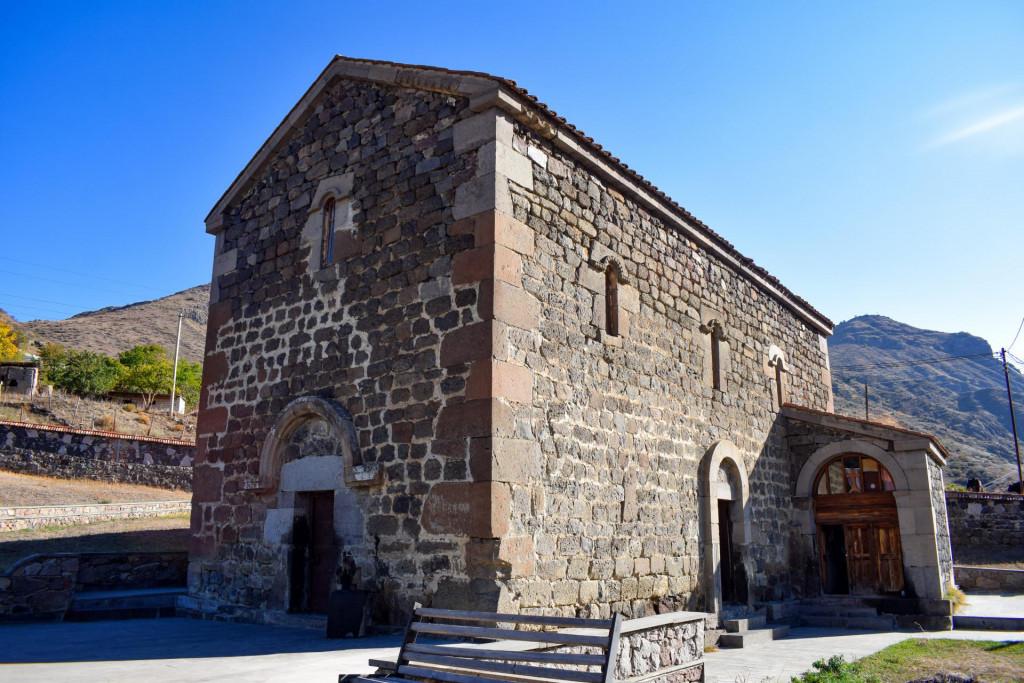
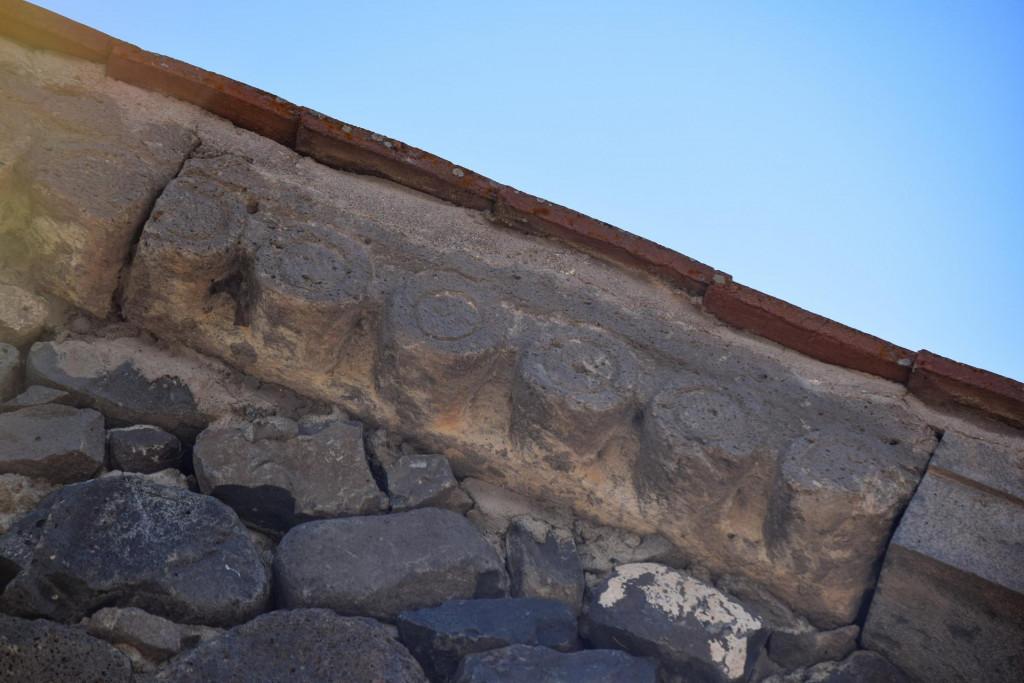
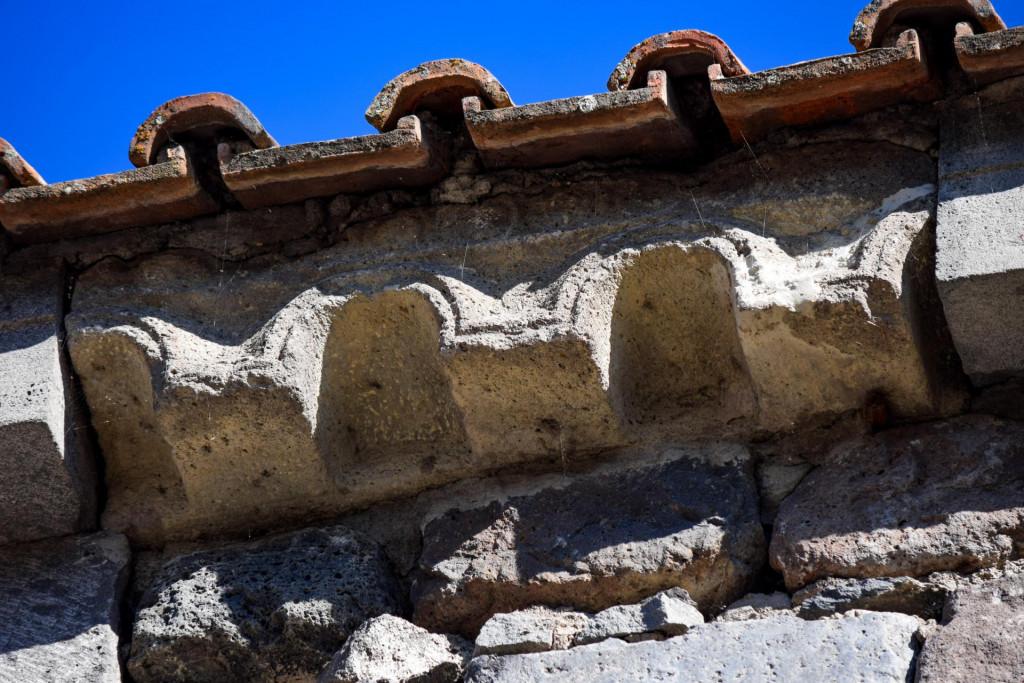
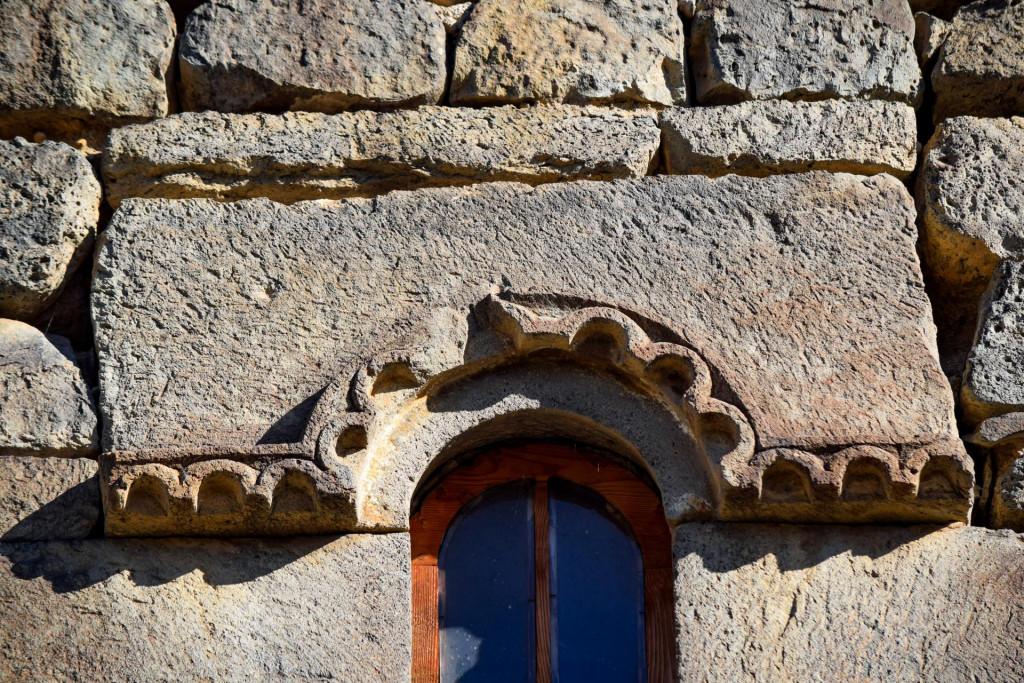
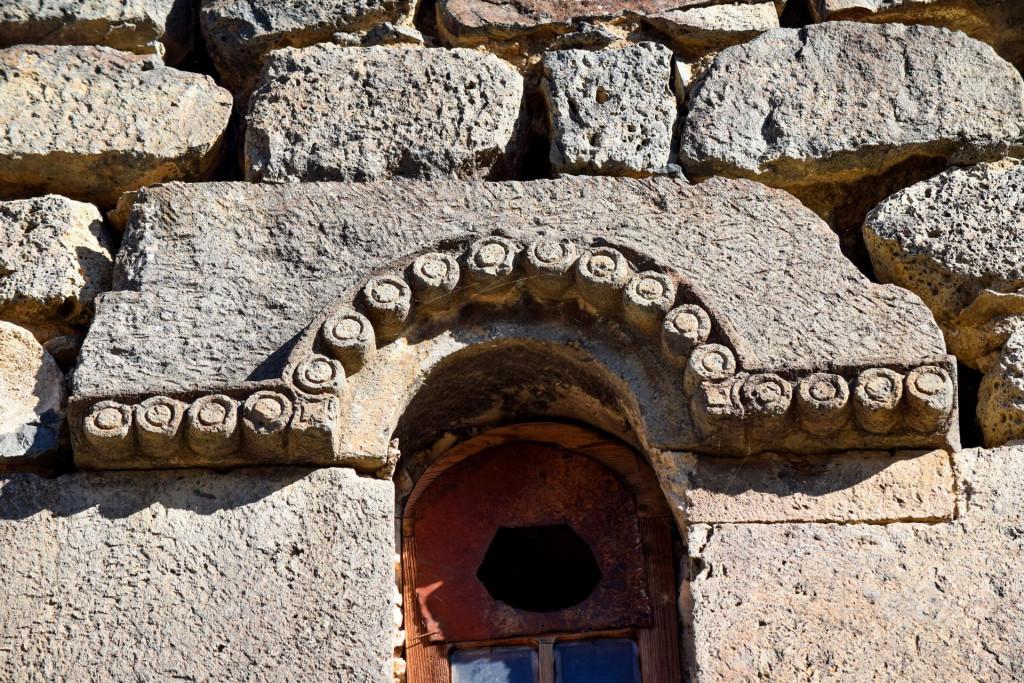
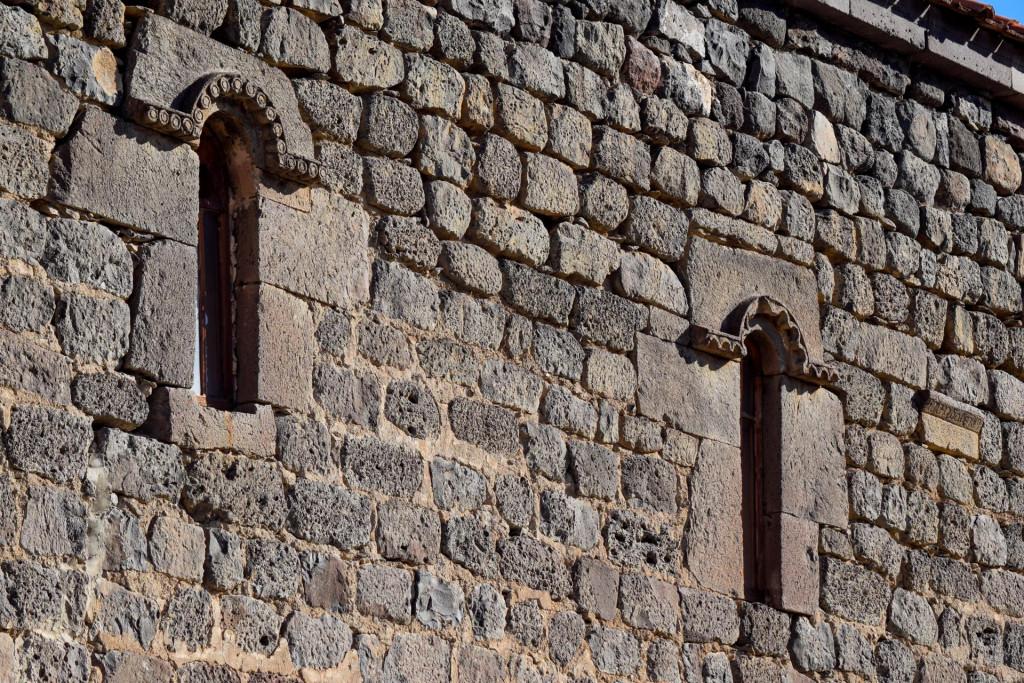
The Church of St. George of Khvilishi is located in Samtskhe-Javakheti, on the outskirts of Aspindza. The church dates back to the 7th-8th centuries.
The temple is located north of Sharagz, near the road. It is built on a specially arranged two-tiered plinth. The temple is built of well-polished sandstone and square, roughly processed basalt stones.
There are two entrances to the church, from the west and south. The plan of the hall-like church is regular, with “grown” storage rooms in the eastern part of its building to the north and south. In the interior, the longitudinal walls of the church are divided into three sections by two pairs of two-tiered pilasters. The distance between the pilasters decreases proportionally from west to east, making the already long hall seem illusory longer. The section in front of the apse resembles a bema. From this space, there is an exit to the north into a recess “grown” from the volume of the hall, which is a small apse hall. The rhythmic division of the longitudinal walls is enhanced by a slightly recessed wall bordered by an arch. In the southern wall, in the middle of each such plane, quite high, one window is cut out. The hall is lit by two more windows, one in the sanctuary and one in the western wall. The interior of the church is completely plastered, with the exception of the well-polished sandstone conch, apse sides, triumphal arch, pilasters, and entablature arches. The sanctuary is separated from the hall by a three-arched chancel.
To the south of the temple, there is an independent storage room with a rectangular plan, without a western wall. It does not have an eastern window. Niko Chubinashvili calls it a “chapel-candlestick”. There may have been a separate chapel here. On the southern facade, quite high up, to the right of the middle window, in the wall structure there is an inscribed stone slab (presumably brought from another building). The one-line inscription is executed in beautiful Asomtavruli:
Ⴕ~Ⴄ ႧႭႣႭჂ~ႲႨ Ⴘ~Ⴄ
Ekvtime Takaishvili read the inscription as follows: “Christ, have mercy on Saint Theodora”[2].
The latest study of this inscription belongs to Valeri Silogava, who suggests two readings of the text: “C(rist)e, Theodoyti Sh(eitskal)e” and considers another reading possible: “C(rist)e Tedo Y(o)ti Sh(eitskal)e and Y(o)ti (i.e. “small”) is considered an epithet of Tedo. According to Valeri Silogava, the inscription may “belong to the time of the construction of the temple, that is, to the 7th-8th centuries.”
Our guides are ready to help you on this trip

Buy our tours online and explore incredible Georgia!


Help other travelers use your experience.
Review this destination, share your thoughts, impressions, pros and cons.
Let's make traveling easier than ever.
 LOGIN WITH GOOGLE
Please login to ask a question
Ask a Question