
 GEO
GEO  ENG
ENG  RUS
RUS 


Help other travelers use your experience.
Review this destination, share your thoughts, impressions, pros and cons.
Let's make traveling easier than ever.

დაამატეთ თქვენი რესტორანი Georgian Travel Guide-ზე — მიიღეთ ონლაინ ჯავშნები წინასწარი გადახდით და გახდით ხილული ყოველთვიურად 100 000-ზე მეტი მოგზაურისთვის.

განათავსეთ საკუთარი კოტეჯი / სასტუმრო ჩვენს პლატფორმაზე და გააცანით თქვენი მომსახურება 100 000-ზე მეტ მოგზაურს.

დაამატეთ თქვენი ავტომობილი Georgian Travel Guide-ზე და გახდით ხილული ყოველთვიურად 100 000-ზე მეტი მოგზაურისთვის.

ხარ გიდი? დაამატე შენი პროფილი Georgian Travel Guide-ზე და დაუკავშირდი მოგზაურებს პირდაპირ — შუამავალი კომპანიებისა და საკომისიოს გარეშე.

იცნობთ ადგილს, რომელიც რუკაზე ჯერ არავის დაუტანია? დაამატეთ ის Georgian Travel Guide-ზე უფასოდ და გააცანით ათასობით მოგზაურს. გაიცანი და გააცანი #უცნობისაქართველო

განათავსეთ თქვენი ტურები და აქტივობები Georgian Travel Guide-ზე და გააცანით ისინი ყოველთვიურად 100 000-ზე მეტ მოგზაურს, რომლებიც სწორედ ახლა გეგმავენ მოგზაურობას საქართველოში.
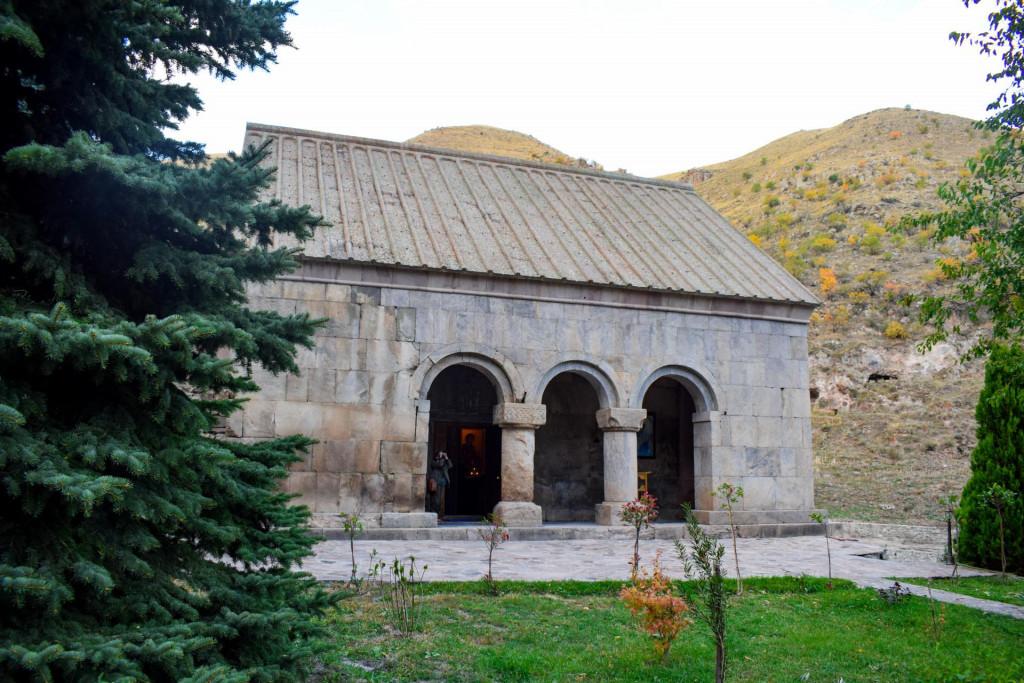
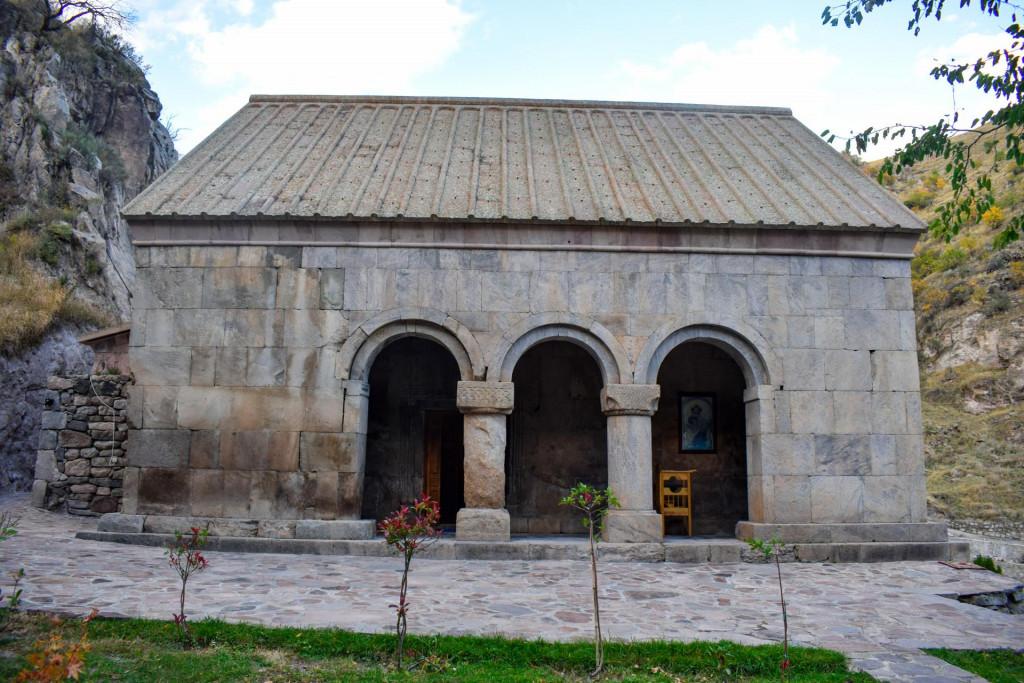
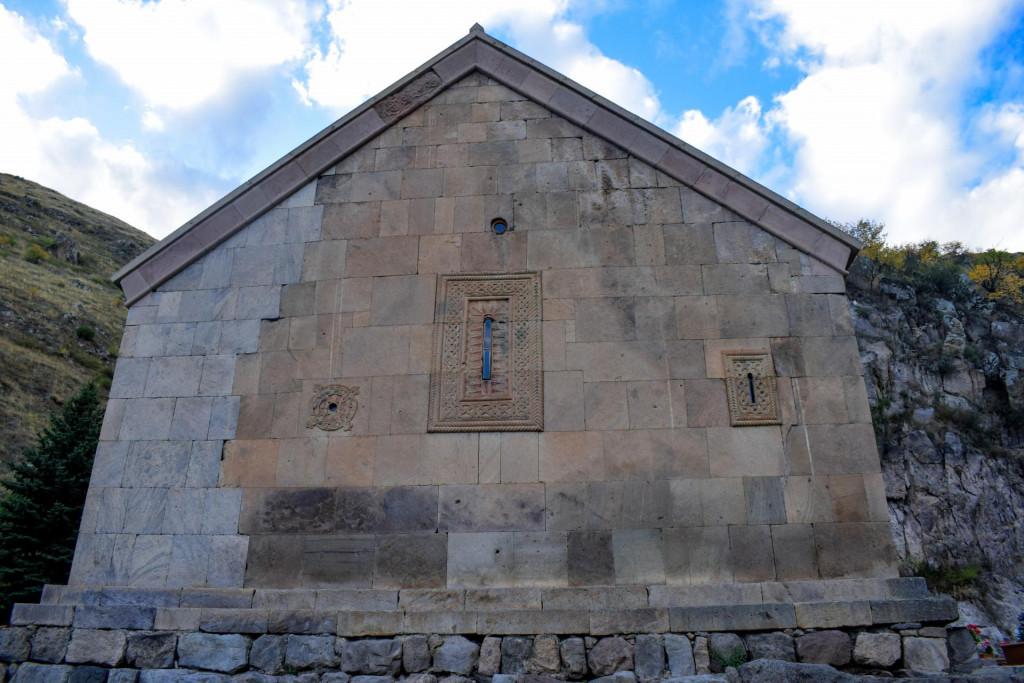
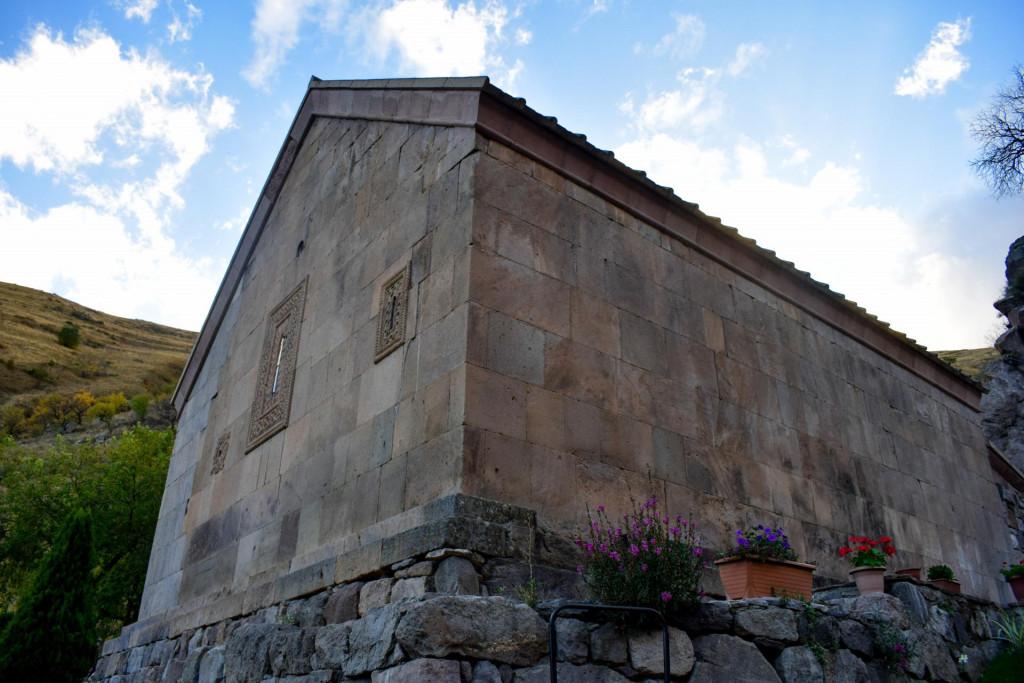
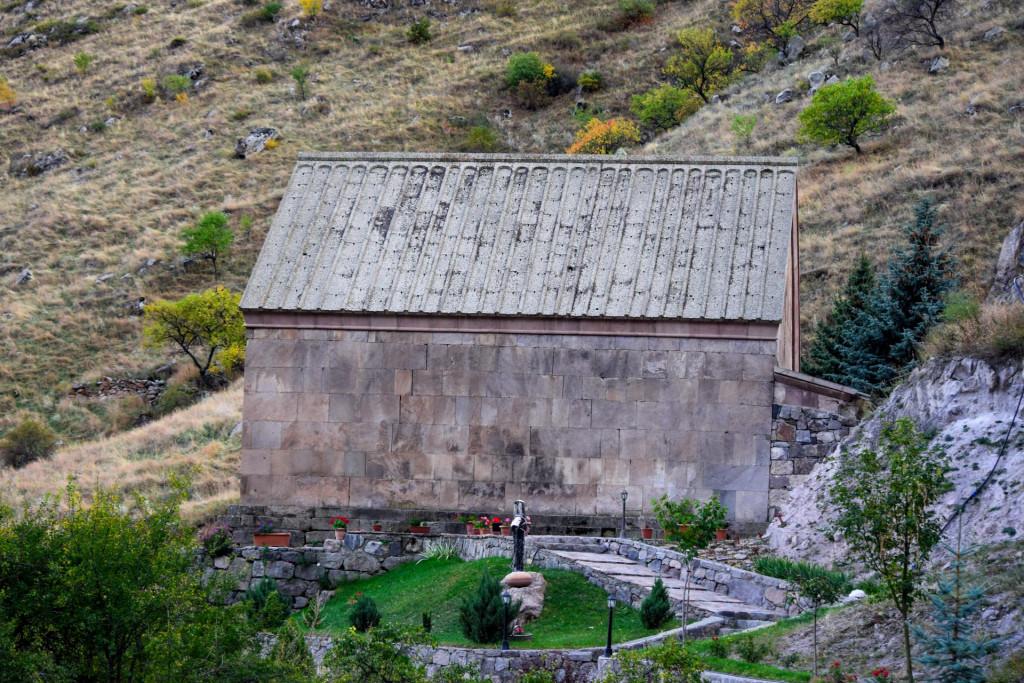
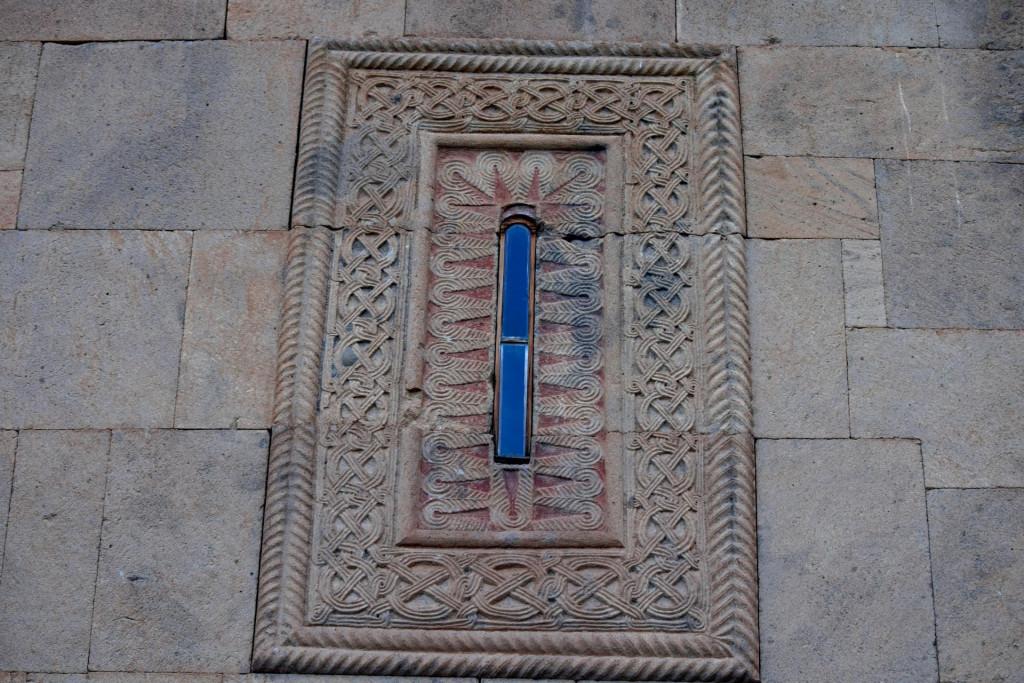
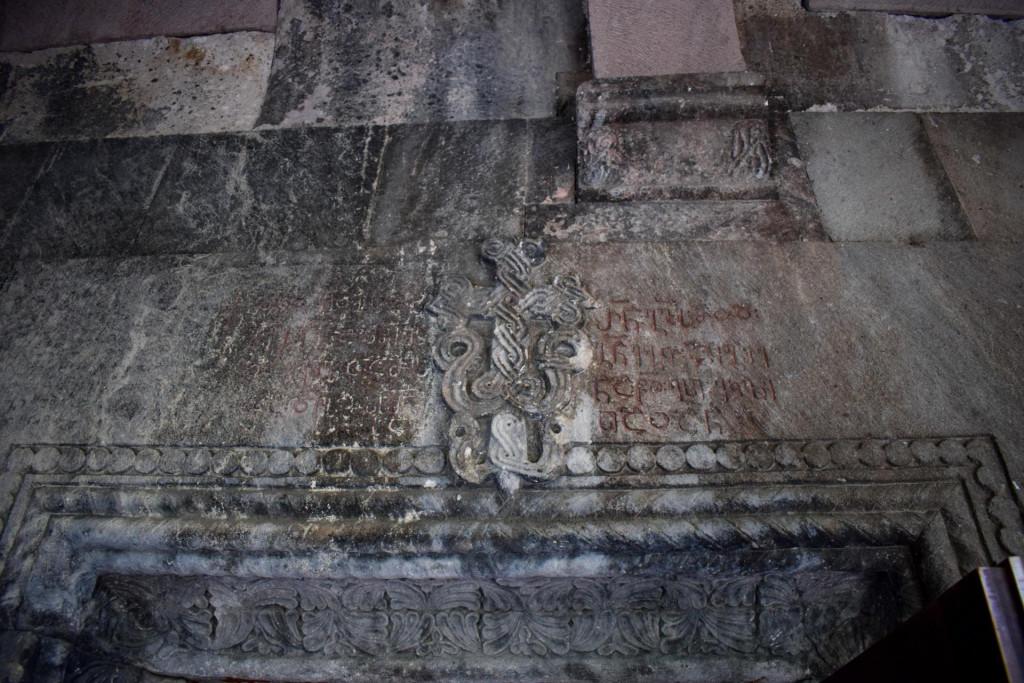
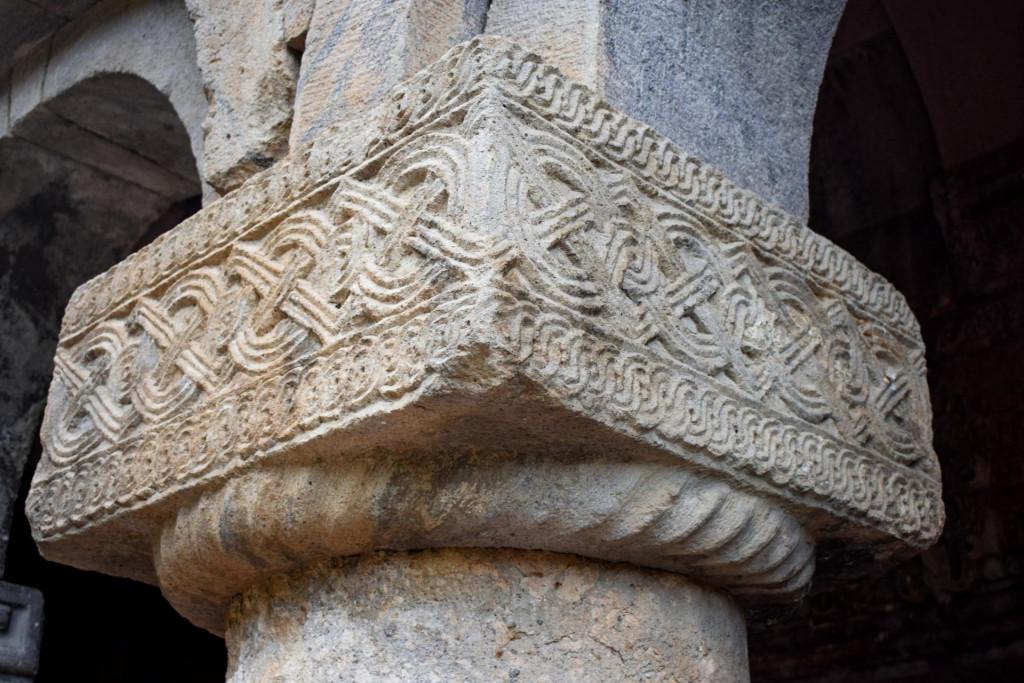
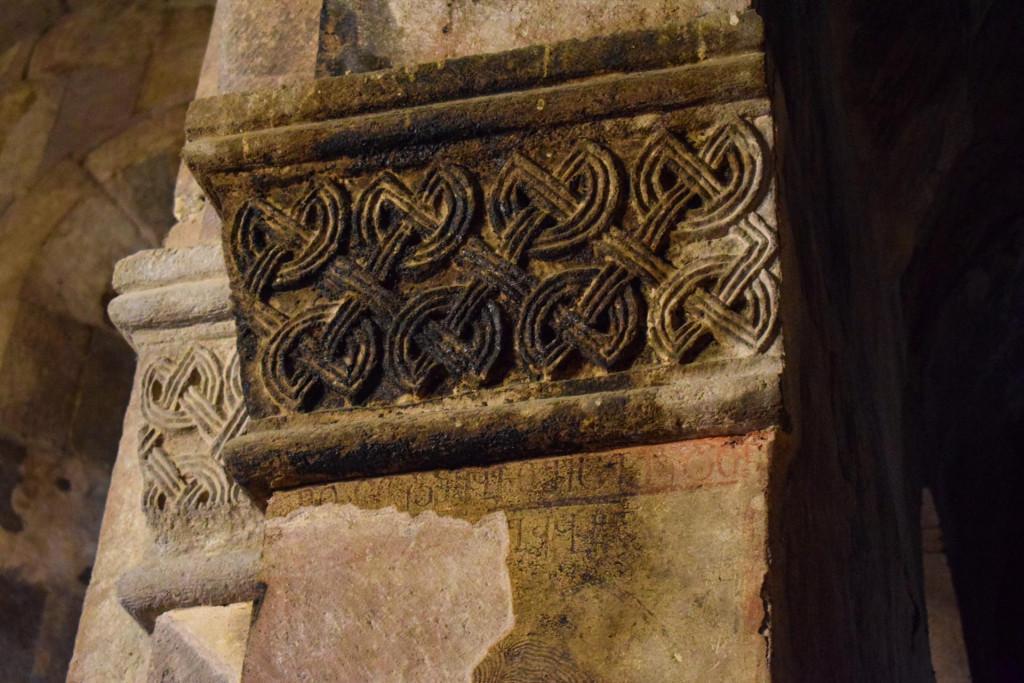
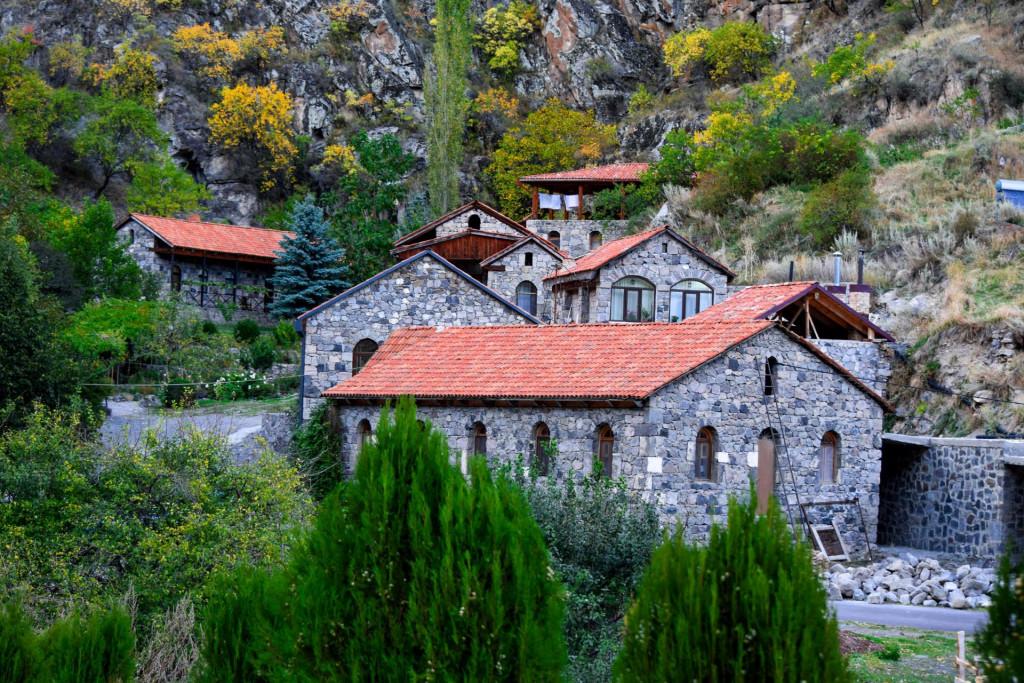
Zeda Vardzia — a monument of Georgian architecture of the first half of the 11th century, the Church of the Virgin Mary in the Samtskhe-Javakheti region, in the Aspindza municipality, 3 km northwest of Vardzia. It is erected on a mountain slope, on an artificially created platform.
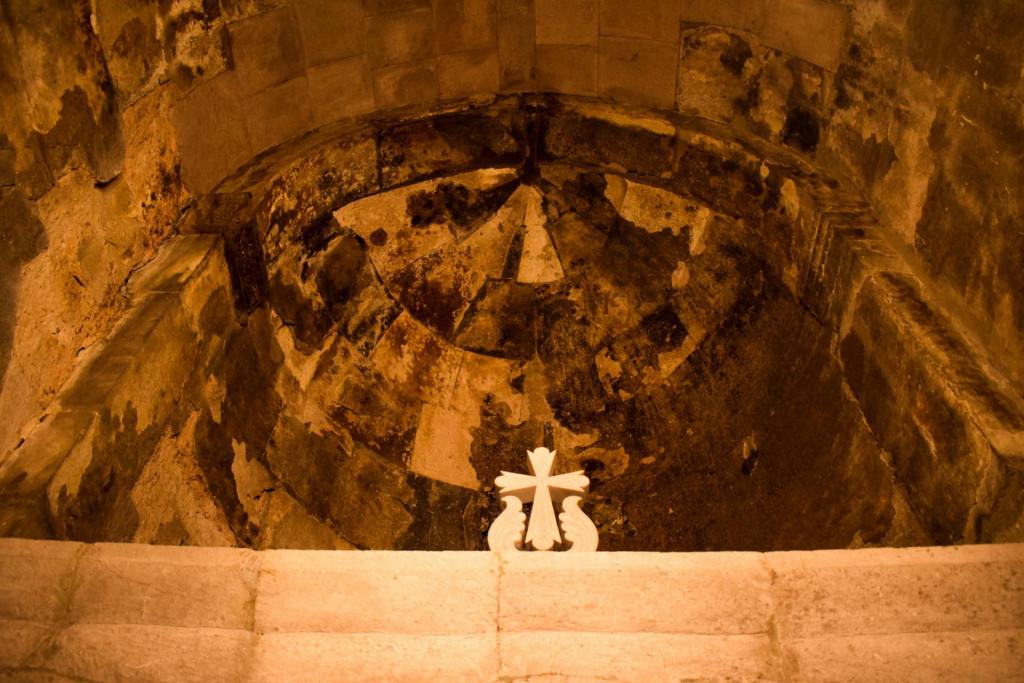
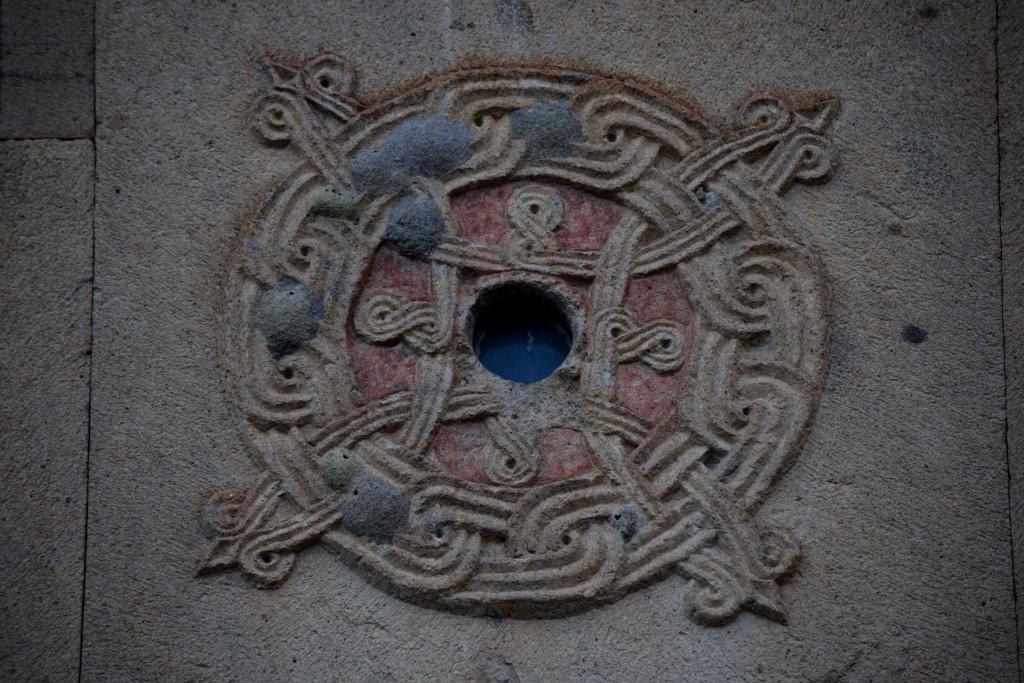
The Zeda Vardzia Monastery, closing a small and narrow gorge on the left bank of the Mtkvari River, is built at the foot of a high mountain and consists of a two-nave church, caves carved into the rock and newly built monastic buildings. The church, erected at the foot of the mountain, is the final, sonorous chord of this Mtkvari gorge. The building, based on a two-tiered plinth, is built on a leveled platform of the rocky slope of the mountain and immediately attracts the attention of the visitor with its graceful appearance. It is the location (the sloping slope of the mountain) that led to the erection of its eastern side, which overlooks the valley, on an artificial, high substructure. Its external appearance is also distinctive – a three-part (two-nave core with a southern stoa) structure enclosed in a two-tone roof, leaving an unusual impression from the very beginning. Such a rare solution for Georgian domeless architecture in this case was due to the presence of niches on both sides of the altar. Placing the two-part nave under the roof makes the volume of the church somewhat more compact and slender to the eye, but erecting the eastern side of the building on a 3.5 m high pedestal significantly changes the proportions and gives the church more lightness and grace. The very sloping slopes of the roof also serve this purpose. The church is faced both outside and inside with perfectly hewn medium-sized local andesite squares, maintaining the horizontality of the main rows. That is, the height of the stone is more or less equal to almost the entire perimeter of the monument, and the arrangement is enlivened by the different widths of the stones and the small inserts with different configurations that neatly fit into the wall arrangement. What makes Zeda Vardzia attractive is the colorful range of the surface of its walls. The spectrum of stone colors used here is very wide: starting with greenish-yellowish, ending with gray, which in some places in the interior also takes on a black hue, and burgundy and gray stones of various intensities are also used. Of the church facades, only the eastern and southern ones are specially decorated. The eastern facade is decorated with three opposite windows and a carved cornice. The southern facade is imposing and majestic. This is where the entrance to the church is. Through the three-arched arch, which is thrown from the graceful, powerful, ornate capital columns, we find ourselves in the stoa, which ends in a deaf, windowless altar on the east. Opposite the western arch of the three-arched arch is the entrance to the church - a wide, specially decorated door, on the stone of which, on both sides of the braided cross depicted in its center, a magnificent inscription is carved in the form of a circle and a circular asomtavruli: “Mother of God, have mercy on the terrible Eristav Eristav Liparit and his children, who diligently built this holy church for you, Amen.” According to the inscription, the church was built at the turn of the 10th-11th centuries. Another inscription in black paint was found on the same wall (now no longer exists), which indicates that additional work was carried out on the church: a gate was built from the west and a niche was carved out. From the entrance, we find ourselves directly in the main nave of the two-nave core. The space is raised and shaded. In the interior, a three-bay arch based on two high piers divides the space into two unequal parts. The high and graceful central nave ends with a raised altar to the east. The northern nave is narrow, low and dark. The imposts of the altar and the pillars separating the nave are decorated with exquisite carved plastic ornamentation. .
Our guides are ready to help you on this trip

Buy our tours online and explore incredible Georgia!


Help other travelers use your experience.
Review this destination, share your thoughts, impressions, pros and cons.
Let's make traveling easier than ever.
 LOGIN WITH GOOGLE
Please login to ask a question
Ask a Question